
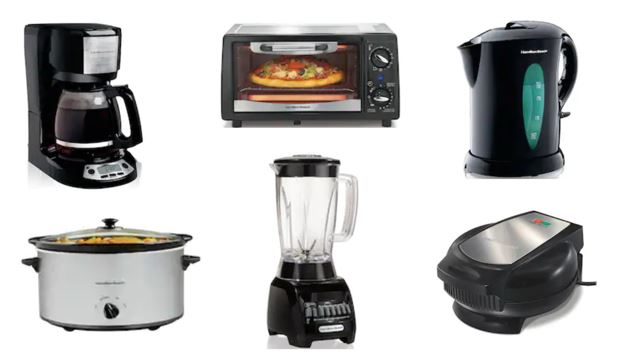
The global demand for household appliances continues to grow as consumers seek convenient, efficient, and affordable solutions for everyday tasks. Small appliances such as mixers, kettles, irons, and air fryers have become essential in modern kitchens and homes. As competition increases, manufacturing standards have become a key factor in determining brand reliability and market success.
Today, many buyers and distributors carefully evaluate small appliance brands based on how strictly they follow manufacturing standards, since these processes directly impact product safety, durability, and overall performance in real-world use.
Why Manufacturing Standards Matter in Small Appliances
Manufacturing standards are the foundation of product quality. They ensure that every appliance meets specific requirements for safety, efficiency, and durability before reaching consumers.
Without proper standards, products may suffer from inconsistent performance, higher defect rates, or even safety risks. This is especially important in small appliances, which are used frequently in households and often involve electricity, heat, or mechanical movement.
Strong manufacturing standards help brands:
- Reduce product failure rates
- Improve customer satisfaction
- Meet international safety regulations
- Maintain consistent product quality across batches
Raw Material Selection and Supplier Control
The manufacturing process begins with selecting high-quality raw materials. Leading brands carefully control their supply chains to ensure consistency and reliability.
Common materials used in small appliances include:
- Heat-resistant plastics for outer shells
- Stainless steel for heating components and blades
- Copper wiring for electrical conductivity
- High-grade insulation materials for safety
Reputable manufacturers also audit their suppliers regularly to ensure that materials meet required specifications and safety standards.
Production Process and Assembly Standards
Once materials are approved, the production process begins. This stage is highly structured and typically divided into multiple controlled steps.
Key production standards include:
- Automated assembly lines for precision and efficiency
- Standardized operating procedures for each product model
- Worker training programs to maintain assembly consistency
- Regular in-process inspections to detect defects early
These systems help ensure that every unit produced meets the same quality expectations.
Quality Control Systems in Manufacturing
Quality control is a critical part of small appliance production. Most manufacturers implement multi-stage inspection systems to minimize defects and ensure product reliability.
Typical quality control stages include:
Incoming Quality Inspection (IQC)
Raw materials are checked before production begins.
In-Process Quality Control (IPQC)
Products are monitored during assembly to identify issues early.
Final Quality Control (FQC)
Finished products are tested for functionality, safety, and appearance.
Each stage reduces the likelihood of defective products reaching the market.
Safety Testing and Compliance Requirements
Safety is one of the most important aspects of manufacturing standards for small appliances. Because these products involve electricity and heat, strict testing is required before they can be sold.
Common safety tests include:
- Overheating protection testing
- Electrical insulation and leakage testing
- Load and endurance testing
- Drop and vibration resistance testing
In addition to internal testing, many brands must comply with international certifications such as CE, RoHS, or ISO standards, depending on the target market.
Automation and Technology in Modern Manufacturing
Modern small appliance manufacturing increasingly relies on automation and advanced technology. This improves efficiency, reduces human error, and ensures greater consistency across production batches.
Technological improvements include:
- Robotic assembly systems for precision work
- Digital monitoring of production lines
- AI-based defect detection systems
- Real-time data tracking for quality assurance
These innovations help manufacturers scale production while maintaining strict quality standards.
Packaging and Final Inspection Standards
Packaging is often overlooked but plays an important role in manufacturing quality. Proper packaging ensures that appliances remain undamaged during transportation and storage.
Final inspection standards typically include:
- Functional testing of each product unit
- Visual inspection for cosmetic defects
- Verification of labeling and instruction manuals
- Packaging strength and protection checks
This final step ensures that customers receive products in perfect condition.
Continuous Improvement in Manufacturing Processes
Leading manufacturers do not stop at basic compliance. They continuously improve their processes based on customer feedback, market trends, and internal data analysis.
This may involve:
- Upgrading materials for better durability
- Improving energy efficiency of appliances
- Redesigning components for easier use
- Enhancing production speed without sacrificing quality
Continuous improvement helps brands stay competitive in a fast-changing global market.
Conclusion
Manufacturing standards are the backbone of success in the small appliance industry. From raw material selection to final product inspection, every stage plays a critical role in ensuring safety, performance, and customer satisfaction.
Understanding how small appliance brands manage their manufacturing processes helps businesses make better sourcing decisions and build stronger product strategies. In today’s competitive market, consistent quality and strict manufacturing discipline are essential for long-term success and global brand trust.