
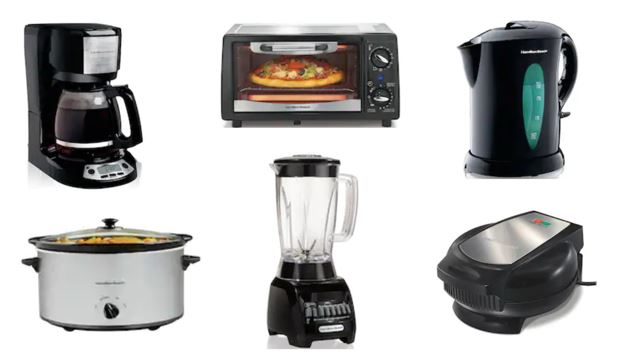
The smart home industry is evolving at a remarkable pace, driven by advancements in connectivity, artificial intelligence, and consumer demand for more efficient living spaces. What once started as simple remote-controlled devices has now grown into fully integrated ecosystems where appliances communicate, learn, and adapt to user behavior.
In this rapidly changing environment, smart home appliance brands are continuously innovating to shape the next generation of connected living, focusing on intelligence, automation, and seamless interoperability across devices.
Expansion of Fully Connected Home Ecosystems
One of the strongest future trends is the development of fully integrated smart home ecosystems. Instead of individual smart devices operating separately, the future points toward unified systems where every appliance works together.
Key developments include:
- Centralized control across all home appliances
- Cross-device communication and automation
- Unified mobile and voice interfaces
- Real-time synchronization between systems
This integration will make home management more intuitive and less dependent on manual input.
Artificial Intelligence Driving Automation
Artificial intelligence is expected to become the backbone of future smart appliances. Instead of following fixed commands, devices will increasingly learn from user habits and environmental conditions.
Future AI-driven features may include:
- Predictive appliance operation based on daily routines
- Automatic adjustment of energy and performance settings
- Personalized user behavior learning systems
- Self-optimizing cooking, cleaning, and climate control functions
This shift will transform appliances from reactive tools into proactive assistants.
Greater Focus on Interoperability and Standards
One of the biggest challenges in smart home technology today is compatibility between different brands and systems. The future will focus heavily on creating universal standards.
Expected improvements include:
- Cross-brand device communication protocols
- Unified smart home platforms
- Reduced dependency on single ecosystems
- Easier device pairing and integration
This will allow users to build flexible smart homes without being locked into one manufacturer.
Energy Optimization and Sustainability Innovation
Sustainability will continue to be a major driving force behind innovation in smart appliances. Future devices will not only reduce energy consumption but actively optimize it in real time.
Emerging trends include:
- AI-based energy distribution systems
- Integration with renewable energy sources such as solar power
- Real-time carbon footprint tracking
- Fully automated energy-saving modes
These innovations will support both environmental goals and household cost reduction.
Growth of Voice and Gesture Control Technologies
Voice control is already widely used, but future smart appliances will expand beyond voice to include more natural interaction methods.
Upcoming interaction technologies include:
- Advanced voice recognition with contextual understanding
- Gesture-based appliance control
- Touchless interfaces for hygiene and convenience
- Multi-user voice recognition systems
These features will make interaction more natural and accessible for all users.
Edge Computing for Faster Device Performance
As smart homes become more complex, reliance on cloud processing alone may decrease. Edge computing—processing data directly on the device—will play a larger role.
Benefits of edge computing include:
- Faster response times for smart devices
- Reduced dependency on internet connectivity
- Improved data privacy and security
- More reliable offline functionality
This will enhance both performance and user trust in smart systems.
Increased Personalization of Smart Appliances
Future smart appliances will be highly personalized, adapting not only to general usage patterns but also to individual household members.
Personalization advancements may include:
- Individual user profiles for shared devices
- Customized automation routines for each user
- Adaptive settings based on lifestyle changes
- AI-driven recommendations for usage optimization
This will make smart homes feel more tailored and intuitive.
Integration with Smart Cities and External Systems
The future of smart appliances extends beyond the home. Devices may eventually connect with broader smart city infrastructure.
Possible integrations include:
- Synchronization with smart energy grids
- Real-time energy pricing adjustments
- Integration with public utility systems
- Environmental data-based automation (weather, pollution, etc.)
This connectivity will allow homes to operate more efficiently within larger urban systems.
Enhanced Security and Privacy Technologies
As connectivity increases, so does the need for stronger security systems. Future smart appliances will incorporate more advanced protection mechanisms.
Expected security improvements include:
- AI-driven threat detection systems
- Advanced encryption for all device communications
- Decentralized data storage models
- Real-time security monitoring and alerts
These advancements will help ensure safer and more reliable smart home environments.
Conclusion
The future of smart home technology is centered around intelligence, integration, and sustainability. From AI-powered automation to full ecosystem connectivity, smart appliances are evolving into essential components of modern living.
As innovation continues, smart home appliance brands will play a crucial role in shaping homes that are more efficient, responsive, and environmentally responsible. The next generation of connected devices will not only simplify daily life but also redefine how people interact with their living spaces.