
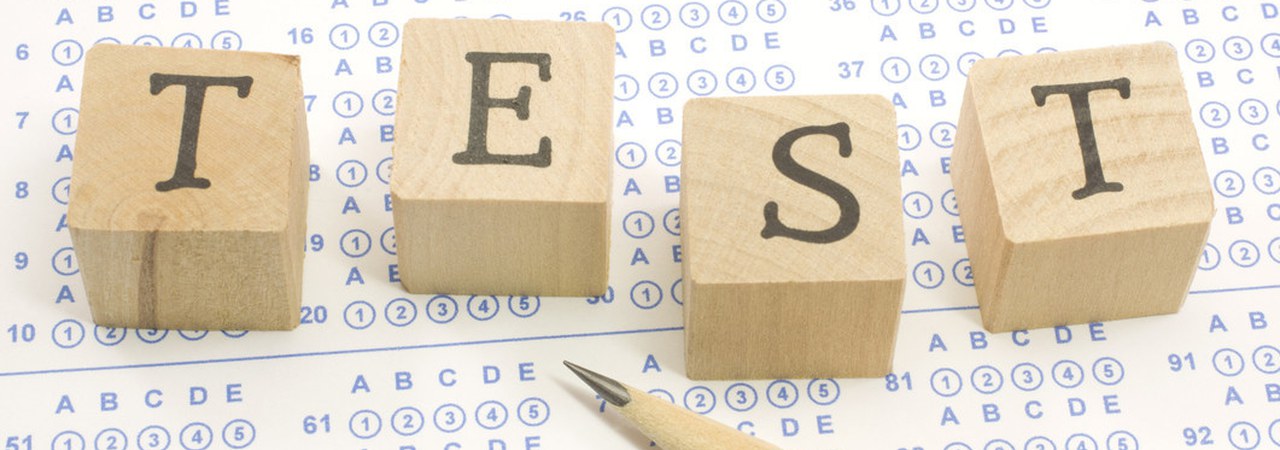
Practice tests are one of the most effective tools used in ISEE preparation. They help students become familiar with the exam format, improve pacing, and identify areas that need improvement. More importantly, they allow tutors to measure progress over time in a structured and objective way.
An experienced ISEE Tutor uses practice tests not just as mock exams, but as diagnostic tools that guide instruction. By analyzing results in detail, tutors can create personalized learning plans that target each student’s specific strengths and weaknesses while ensuring steady academic growth.
The Role of Practice Tests in ISEE Preparation
The Independent School Entrance Exam (ISEE) requires students to perform under timed conditions across multiple sections, including verbal reasoning, quantitative reasoning, reading comprehension, and writing. Practice tests simulate these conditions and provide a realistic measure of readiness.
ISEE-Tutor.com, for example, emphasizes structured preparation by offering guidance on exam structure, test strategies, and skill-building exercises. These resources help students understand how practice tests fit into a larger preparation strategy.
Practice tests serve several key purposes:
- Measuring current skill levels
- Identifying academic weaknesses
- Improving time management
- Building test-taking confidence
- Tracking long-term improvement
Establishing a Baseline for Student Performance
Before beginning targeted instruction, tutors often use an initial practice test to establish a baseline. This helps determine where the student currently stands in relation to ISEE expectations.
The baseline assessment typically reveals:
- Strengths in specific subject areas
- Gaps in foundational knowledge
- Pacing challenges during timed sections
- Familiarity with question formats
This initial data allows the tutor to create a focused study plan rather than a general review approach.
Identifying Strengths and Weaknesses
After each practice test, tutors carefully review the student’s answers to understand patterns in performance. This step is essential for designing effective lessons.
Common Areas of Analysis
Tutors typically evaluate:
- Accuracy in verbal reasoning questions
- Reading comprehension performance on different passage types
- Mathematical problem-solving strategies
- Time spent per question or section
- Frequency of careless errors
By breaking down results in this way, tutors can pinpoint exactly where improvement is needed.
Tracking Progress Over Time
One of the most important uses of practice tests is progress tracking. Instead of focusing on a single score, tutors compare results across multiple tests to identify trends.
For example, a student may initially struggle with reading comprehension but show steady improvement after targeted practice. Similarly, math accuracy may increase as problem-solving strategies become more efficient.
Progress tracking helps tutors:
- Adjust lesson plans based on improvement
- Reinforce successful strategies
- Address recurring challenges early
- Motivate students by showing measurable growth
Improving Time Management Skills
Time management is a major factor in ISEE success, and practice tests are essential for developing this skill. Many students know the material but struggle to complete sections within the time limit.
Tutors use practice tests to evaluate:
- How long students spend per question
- Whether they rush at the end of sections
- Which question types take the most time
- Overall pacing consistency
Based on these insights, tutors teach strategies such as skipping difficult questions, prioritizing easier ones first, and practicing timed drills.
Refining Test-Taking Strategies
Practice tests also help tutors teach effective test-taking strategies. These strategies are refined through repeated exposure to real exam conditions.
Some common strategies include:
- Eliminating obviously incorrect answer choices
- Reading questions before passages in reading comprehension
- Estimating answers in quantitative reasoning when appropriate
- Managing difficult questions without losing momentum
By applying these strategies during practice tests, students learn how to perform more efficiently under pressure.
Reducing Test Anxiety Through Familiarity
One of the hidden benefits of practice testing is reducing anxiety. Students often feel nervous because they are unfamiliar with the exam structure and timing.
Repeated practice helps students:
- Become comfortable with question formats
- Understand what to expect on test day
- Build confidence through repetition
- Develop a sense of control over the exam process
As familiarity increases, stress levels typically decrease, leading to better performance.
Using Mistake Analysis for Targeted Learning
Reviewing mistakes is one of the most valuable parts of practice testing. Tutors do not simply mark answers as right or wrong; they analyze why errors occurred.
Common reasons for mistakes include:
- Misreading the question
- Lack of content knowledge
- Poor time management
- Careless calculation errors
- Misinterpretation of vocabulary in context
Once these issues are identified, tutors adjust instruction to address the root cause of the problem.
Adjusting Difficulty Based on Progress
As students improve, tutors gradually increase the difficulty of practice tests. This ensures that students continue to grow academically rather than plateau at a certain level.
A well-structured progression might include:
- Initial diagnostic tests with basic difficulty
- Section-focused practice tests
- Full-length simulated exams
- Advanced-level timed assessments
This gradual increase helps students adapt to more challenging material while maintaining confidence.
Final Thoughts
Practice tests are a central part of effective ISEE preparation. They provide valuable insight into student performance, highlight areas for improvement, and track progress over time. When used strategically, they transform preparation from simple studying into a structured learning process.
By analyzing results, refining strategies, and adjusting instruction, tutors can ensure that students are fully prepared for exam day. With consistent practice and thoughtful guidance, students develop the skills and confidence needed to approach the ISEE successfully.