
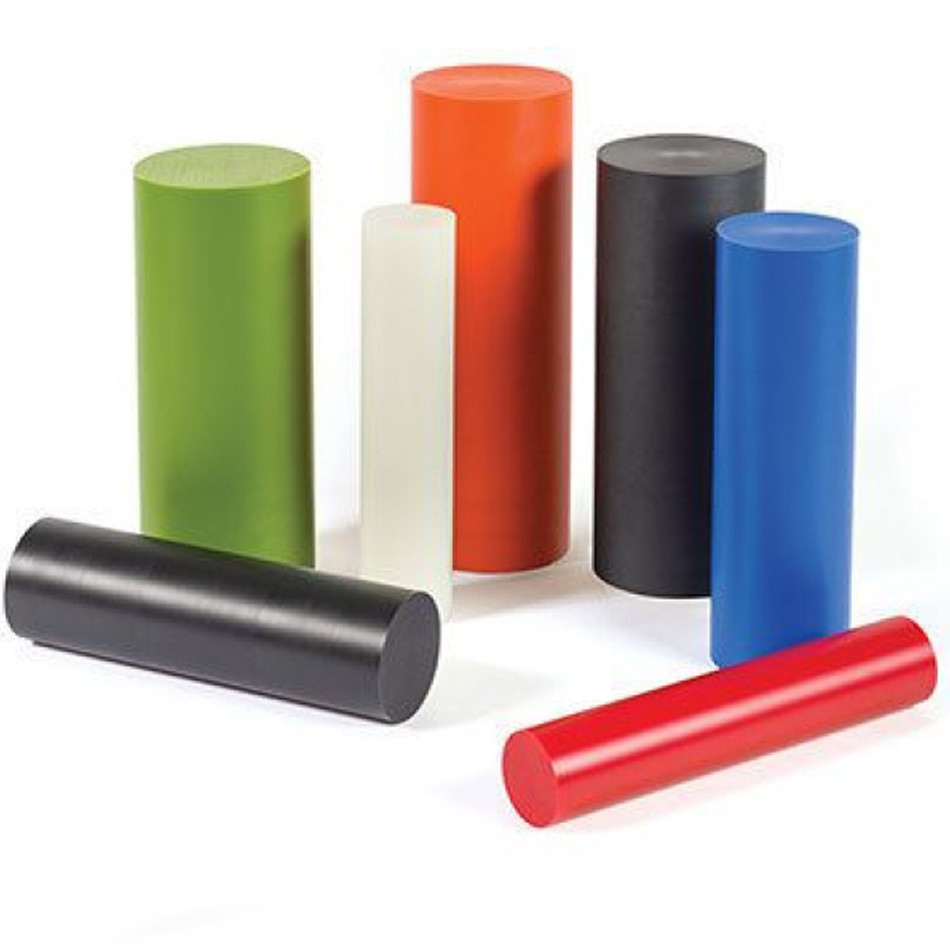
Industrial conveyor systems play an essential role in moving materials through manufacturing facilities, warehouses, packaging plants, and distribution centers. Their performance depends on components that can support loads, maintain smooth movement, and withstand continuous operation. Rollers are particularly important because they guide conveyor belts, support transported materials, and help maintain consistent material flow. Nylon rollers have become a practical choice for many conveyor applications because of their lightweight construction, wear resistance, and corrosion-resistant properties.
Selecting a suitable Nylon Roller can help reduce equipment weight, support smooth material movement, and limit certain maintenance concerns. These rollers are available in different diameters, lengths, wall thicknesses, and configurations to meet various conveyor requirements. Understanding their advantages and operating limitations helps businesses determine whether nylon is the right material for their equipment.
What Is a Nylon Roller?
A nylon roller is a cylindrical mechanical component manufactured from nylon, an engineering thermoplastic known for its strength, toughness, and abrasion resistance. It is commonly installed in conveyor systems to support moving materials, guide belts, or facilitate the movement of products along a production line.
Depending on the design, a nylon roller may operate with an internal bearing, bushing, or other mounting arrangement. Some rollers are designed for light-duty applications, while reinforced or specially engineered versions may be suitable for more demanding operating conditions.
Common characteristics include:
- Lightweight construction compared with many metal rollers.
- Good abrasion resistance under suitable operating conditions.
- Resistance to rust and corrosion.
- Relatively low friction characteristics.
- Natural vibration-damping properties.
- Electrical insulation under appropriate conditions.
- Flexibility in manufacturing different sizes and designs.
Actual performance depends on the nylon grade, roller dimensions, bearing arrangement, load, rotational speed, temperature, and surrounding environment.
1. Lightweight Construction Supports Efficient Conveyor Operation
One of the main advantages of nylon rollers is their relatively low weight. Compared with steel rollers of similar dimensions, nylon alternatives can reduce the mass of conveyor components.
This can be beneficial in systems where numerous rollers are installed. Reducing component weight may simplify equipment handling, installation, and replacement. It can also reduce the rotational inertia of individual rollers, depending on their construction.
For conveyor manufacturers, lightweight components may provide additional flexibility when designing compact equipment or systems with specific weight restrictions.
However, the selected roller must still provide sufficient stiffness and load-bearing capacity for the intended application.
2. Good Wear Resistance Supports Long-Term Reliability
Conveyor rollers experience repeated contact with belts, packages, containers, and other transported materials. Over time, this contact can cause surface wear and affect conveyor performance.
Nylon offers good abrasion resistance in many applications, helping rollers maintain their functional surfaces during regular operation.
Potential benefits include:
- Reduced surface deterioration under suitable conditions.
- More consistent contact with transported materials.
- Resistance to wear caused by repeated movement.
- Longer service life in appropriately designed systems.
- Reduced need for frequent component replacement.
Wear performance depends on the material grade, surface finish, contact pressure, operating speed, and exposure to abrasive particles. Regular inspection remains important, particularly in systems handling rough or heavy materials.
3. Corrosion Resistance for Different Industrial Environments
Metal rollers may be affected by rust and corrosion when exposed to moisture, cleaning chemicals, or certain industrial substances. Nylon does not rust, making it a useful alternative in selected environments where corrosion resistance is important.
Depending on the specific material grade, nylon rollers may also tolerate exposure to various oils and chemicals.
Potential applications include:
- Packaging facilities.
- Warehousing and distribution centers.
- Agricultural processing equipment.
- Selected food-processing machinery using approved materials.
- Manufacturing environments exposed to occasional moisture.
Chemical compatibility should always be verified. Some substances can affect nylon, and moisture absorption may influence its dimensions and mechanical properties.
4. Smooth Movement and Favorable Friction Characteristics
Friction between rollers, belts, bearings, and transported products can affect conveyor efficiency. Excessive resistance may increase energy consumption and contribute to component wear.
Nylon has relatively favorable friction characteristics in many applications. A properly manufactured roller with a suitable bearing arrangement can support smooth rotation and consistent material movement.
For conveyor operators, this may help maintain stable product flow and reduce certain sources of mechanical resistance.
The complete system design remains important. Bearing quality, shaft alignment, roller dimensions, surface finish, and installation accuracy all influence operating performance.
5. Noise and Vibration Reduction
Conveyor systems often operate for extended periods, making noise management an important consideration in industrial facilities.
Nylon has natural vibration-damping characteristics that can help reduce some noise generated by mechanical contact. Compared with certain metal rollers, nylon alternatives may produce less impact noise when interacting with compatible conveyor components.
This can be useful in facilities where quieter operation supports a more comfortable working environment.
Actual noise levels depend on the conveyor frame, bearings, belt condition, roller alignment, product weight, and operating speed. Nylon rollers should therefore be considered as one part of a broader noise-control strategy.
6. Resistance to Rust and Electrical Insulation
Nylon rollers provide two additional properties that can be useful in selected conveyor applications.
First, their nonmetallic construction prevents rust formation. This can help avoid corrosion-related surface deterioration in environments where moisture is present.
Second, nylon is electrically insulating under appropriate conditions. This may be beneficial in equipment designs where electrical separation between components is required.
However, standard nylon rollers should not automatically be considered suitable for static-sensitive or explosive environments. Applications requiring electrostatic discharge control may need specially formulated conductive or dissipative materials, along with appropriate system-level safety measures.
Common Applications of Nylon Rollers
Nylon rollers are used in different industries where material movement, surface durability, and corrosion resistance are important.
| Industry | Typical Applications |
|---|---|
| Manufacturing | Product transfer and conveyor support |
| Warehousing | Package handling and distribution lines |
| Packaging | Carton movement and production-line conveyors |
| Agriculture | Selected crop and material handling systems |
| Food processing | Conveyor equipment using appropriately approved materials |
| Logistics | Sorting and material transfer equipment |
| General engineering | Guide rollers and mechanical movement assemblies |
The correct roller design depends on the transported material, load distribution, conveyor speed, environmental exposure, and operating schedule.
Nylon Rollers Compared with Metal Rollers
Both nylon and metal rollers have important roles in industrial conveyor systems. Their different properties make them suitable for different operating conditions.
| Factor | Nylon Rollers | Metal Rollers |
|---|---|---|
| Weight | Generally lightweight | Usually heavier |
| Corrosion resistance | Does not rust | Depends on metal and surface treatment |
| Noise | Can provide quieter contact | May generate more impact noise |
| Wear resistance | Good in suitable applications | Depends on alloy and surface finish |
| Load capacity | Limited by polymer properties and design | Often suitable for heavier loads |
| Temperature resistance | Depends on nylon grade | Generally higher |
| Electrical properties | Insulating under suitable conditions | Generally conductive |
| Customization | Flexible molding and machining options | Often requires metal fabrication or machining |
Nylon rollers are often appropriate for applications where low weight, corrosion resistance, and reduced noise are priorities. Metal rollers may be preferable for very heavy loads, high temperatures, or applications requiring greater rigidity.
Important Factors When Selecting a Nylon Roller
Choosing the correct roller requires careful consideration of the conveyor’s mechanical and environmental requirements.
1. Load Capacity
Determine the maximum load supported by each roller, including the weight of transported materials and any additional forces generated during operation.
Consider both static and dynamic loading. The roller’s diameter, wall thickness, material grade, shaft design, and bearing arrangement all influence its load capacity.
2. Roller Dimensions
Check the outer diameter, length, wall thickness, shaft diameter, and mounting configuration. Accurate dimensions are essential for maintaining alignment and ensuring compatibility with the conveyor frame.
3. Operating Speed
Rotational speed influences frictional heating, bearing performance, and wear. High-speed applications require careful evaluation of the roller material and bearing specifications.
4. Temperature Conditions
Nylon properties can change with temperature. Elevated heat may reduce stiffness and load-bearing capacity, while environmental conditions can influence dimensional stability.
Check the manufacturer’s recommended operating temperature range before selecting a roller.
5. Environmental Exposure
Consider whether the conveyor operates in wet, dusty, abrasive, or chemically exposed conditions. These factors can influence material selection and maintenance requirements.
6. Bearing and Shaft Configuration
A roller must rotate smoothly and remain properly aligned within the conveyor assembly. Confirm bearing type, shaft dimensions, mounting features, and installation clearances.
An unsuitable bearing arrangement can reduce performance even when the roller material is appropriate.
Maintenance Practices for Nylon Conveyor Rollers
Regular inspection helps maintain conveyor reliability and identify problems before they interrupt production.
Recommended maintenance practices include:
- Inspect roller surfaces for cracks, deformation, and excessive wear.
- Check bearings for unusual noise or resistance.
- Confirm that rollers rotate freely.
- Monitor shaft alignment and mounting stability.
- Remove accumulated dust and abrasive debris.
- Check for heat-related deformation.
- Replace damaged or excessively worn rollers.
- Follow manufacturer recommendations for cleaning and lubrication.
Maintenance intervals should reflect conveyor speed, loading conditions, operating hours, and the materials being transported.
How to Choose a Reliable Nylon Roller Manufacturer
Supplier selection can influence product quality, dimensional consistency, and long-term equipment performance.
Before purchasing, consider the following factors:
Material selection: The manufacturer should understand different nylon grades and their suitability for specific conveyor environments.
Dimensional precision: Accurate roller dimensions and consistent manufacturing tolerances help ensure proper installation and operation.
Bearing options: Ask about available bearing configurations and compatibility with the conveyor design.
Customization capabilities: Confirm whether the supplier can manufacture rollers according to technical drawings or specialized requirements.
Quality assurance: Review material inspection, dimensional testing, and production quality-control procedures.
Technical support: A reliable supplier should be able to discuss load requirements, environmental conditions, and appropriate roller configurations.
Samples or trial orders can help businesses evaluate product fit and performance before committing to larger purchases.
Conclusion
Nylon rollers offer several practical advantages for industrial conveyor operations, including lightweight construction, good wear resistance, corrosion resistance, and useful vibration-damping characteristics. These properties make them suitable for selected manufacturing, packaging, warehousing, and material handling applications.
However, nylon is not a universal replacement for metal rollers. Load capacity, operating speed, temperature, roller dimensions, bearing configuration, and environmental exposure must all be considered during selection. By matching the roller material and design to the conveyor’s requirements, businesses can support smooth material movement, improve equipment reliability, and manage long-term maintenance costs.