
Modern industries rely on materials that offer a combination of durability, flexibility, visibility, and cost efficiency. From product packaging to industrial manufacturing, selecting the right plastic material can influence production quality, operational performance, and product protection. Transparent plastic films are particularly useful because they provide a protective surface without completely hiding the items underneath.
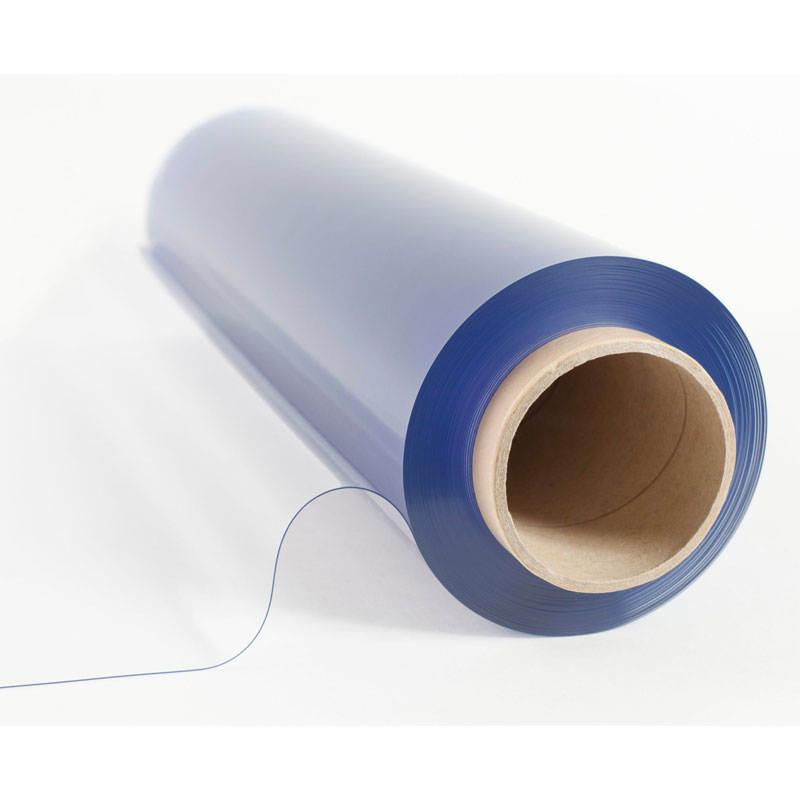
Among the materials used across different commercial sectors, Transparent PVC Film has gained attention for its adaptable physical properties and wide range of applications. Its ability to provide optical clarity, moisture resistance, and adjustable flexibility makes it suitable for industries with different manufacturing and protection requirements.
Understanding where this material is used and why businesses depend on it can help manufacturers make informed material selection decisions.
What Makes Transparent PVC Film Important for Industrial Use?
Transparent PVC film is produced from polyvinyl chloride, a thermoplastic polymer widely used in commercial and industrial products. It can be manufactured in different thicknesses, hardness levels, and surface finishes according to specific application requirements.
Flexible grades can bend and adapt to different shapes, while more rigid varieties provide additional structural support.
Several characteristics contribute to its industrial usefulness:
- Transparency: Allows products and objects to remain visible through the material.
- Flexibility: Supports applications involving bending, wrapping, and customized shapes.
- Moisture resistance: Helps protect products from water and humidity.
- Durability: Provides resistance to everyday handling and certain types of physical wear.
- Processing versatility: Can be cut, printed, heat-sealed, laminated, and thermoformed.
- Customization: Available in different thicknesses and formulations.
These characteristics make PVC film relevant to several industries, although the appropriate grade depends on the intended operating conditions.
1. Packaging and Retail Industry
The packaging industry is one of the major users of transparent PVC materials. Businesses need packaging that protects products while allowing customers to inspect their appearance.
Transparent PVC film supports both requirements by providing a clear protective layer.
Common Packaging Applications
It is used in selected applications such as:
- Retail product covers
- Blister packaging
- Protective sleeves
- Stationery packaging
- Decorative product packaging
- Transparent packaging windows
Why the Industry Uses It
Product visibility is particularly important in retail environments. Customers can examine a product without opening its packaging, while retailers can maintain a cleaner and more organized product display.
PVC film can also be processed into different shapes, making it suitable for customized packaging designs.
2. Construction and Building Industry
The construction sector frequently requires materials that provide temporary separation, environmental protection, and visibility.
Transparent PVC film is used in selected construction applications where flexible barriers are more practical than permanent rigid structures.
Common Applications
These include flexible door curtains, temporary partitions, protective coverings, and transparent sections of certain enclosures.
Key Advantages
In construction and building environments, transparent PVC film can help separate work areas while allowing workers to maintain visibility.
Its lightweight structure also makes it easier to handle and install than many rigid transparent materials.
For outdoor installations, businesses should select grades with suitable resistance to UV exposure, temperature changes, and weathering.
3. Agriculture and Greenhouse Industry
Agriculture is another sector that uses transparent plastic materials for plant protection and controlled growing environments.
Greenhouses require coverings that allow sunlight to reach plants while helping create a more controlled internal environment.
Common Applications
Depending on its formulation and environmental suitability, PVC film can be used for:
- Certain greenhouse coverings
- Temporary plant protection
- Agricultural enclosures
- Protective agricultural structures
Why Material Quality Matters
Agricultural coverings may experience prolonged sunlight exposure, humidity, temperature fluctuations, and physical stress.
For this reason, manufacturers and agricultural businesses should evaluate UV resistance, light transmission, flexibility, and expected service life before selecting a particular PVC film grade.
4. Automotive and Transportation Industry
The automotive sector uses different flexible plastic materials for interior components, protective coverings, and selected enclosure applications.
Transparent PVC film can serve specific purposes where visibility and flexibility are important.
Common Applications
Examples include:
- Flexible vehicle window sections
- Protective interior covers
- Temporary vehicle coverings
- Selected flexible enclosure components
- Protective surface coverings
Industrial Benefits
Its lightweight nature and adaptable flexibility make it convenient for applications that require materials to conform to different shapes.
However, automotive applications may involve demanding temperature, UV, abrasion, and chemical exposure conditions. The selected film must meet the relevant performance requirements.
5. Healthcare and Medical Packaging Industry
Healthcare packaging requires materials that provide reliable product protection, consistent quality, and compliance with applicable safety standards.
PVC-based materials are used in selected medical and pharmaceutical packaging applications, including certain blister packaging formats.
Common Applications
These may include:
- Pharmaceutical blister packaging
- Selected medical product packaging
- Protective packaging components
- Specialized healthcare product enclosures
Importance of Material Compliance
Not every PVC film is suitable for medical or pharmaceutical applications. Material selection must consider chemical compatibility, regulatory requirements, product safety, and manufacturing standards.
Healthcare manufacturers should obtain the necessary technical documentation and verify that the chosen grade meets the requirements of its intended application.
6. Electronics and Electrical Manufacturing
The electronics industry requires materials that protect sensitive components and support specialized manufacturing processes.
Transparent PVC film can be used in selected protective covers, packaging components, and flexible enclosures.
Common Applications
- Protective packaging for electronic accessories
- Transparent equipment covers
- Flexible protective layers
- Selected component enclosures
Why It Is Useful
The material allows components to remain visible while providing a physical covering against dust and everyday handling.
However, electrical applications require careful evaluation of insulation performance, temperature resistance, and relevant safety standards. PVC film should only be used where its tested specifications meet the application’s requirements.
7. Furniture and Interior Decoration Industry
Furniture manufacturers and interior product suppliers also use transparent PVC materials for protective and decorative purposes.
The material can provide a clear covering that helps protect surfaces without completely hiding their original appearance.
Common Applications
- Table covers
- Furniture surface protection
- Decorative protective sheets
- Flexible interior partitions
- Selected upholstery components
Benefits for Commercial and Residential Use
Transparent PVC film can help reduce exposure to dust, spills, and everyday surface contamination.
Its easy-to-clean surface is particularly useful for products that require regular maintenance.
Different thicknesses and surface finishes allow businesses to select materials according to the intended appearance and level of protection.
8. Industrial Manufacturing and Warehousing
Factories, warehouses, and production facilities often require flexible materials for separating work areas and protecting equipment.
Transparent PVC film is commonly used in industrial strip curtains and selected protective enclosures.
Common Applications
- Industrial strip curtains
- Flexible warehouse partitions
- Equipment covers
- Protective screens
- Temporary separation barriers
Operational Advantages
Transparent partitions allow workers to maintain visibility between different areas while creating a physical separation.
Depending on their design, they can also help limit dust movement and unnecessary air exchange.
For applications involving machinery or workplace hazards, transparent PVC curtains should not replace certified safety guards or other required protective equipment.
9. Advertising and Display Industry
Visual presentation is important in advertising, retail displays, and promotional environments.
Transparent PVC materials can be used in selected display components where visibility and flexible fabrication are required.
Common Applications
These include protective display covers, transparent promotional materials, and certain sign components.
Why Businesses Use It
The material allows displayed products or printed elements to remain visible while providing a protective surface.
It can also be cut and shaped according to specific display dimensions, supporting customized commercial designs.
Comparing Industrial Applications and Material Requirements
Different industries require different PVC film characteristics. The following table provides a general overview.
| Industry | Common Application | Important Material Properties |
|---|---|---|
| Packaging | Product covers and blister packs | Clarity, flexibility, formability |
| Construction | Temporary partitions | Flexibility, durability |
| Agriculture | Selected greenhouse coverings | Light transmission, weather resistance |
| Automotive | Protective covers | Flexibility, temperature resistance |
| Healthcare | Pharmaceutical packaging | Compliance, consistency, compatibility |
| Electronics | Protective enclosures | Clarity, insulation properties where required |
| Furniture | Table and surface covers | Transparency, abrasion resistance |
| Warehousing | Industrial curtains | Flexibility, thickness, durability |
| Advertising | Display covers | Optical clarity, surface quality |
This comparison shows why manufacturers produce PVC film in different formulations rather than relying on one specification for every industry.
Factors Industries Should Consider When Selecting PVC Film
Choosing a suitable grade requires evaluating the conditions in which the material will be used.
Thickness and Mechanical Strength
Thickness influences flexibility, resistance to physical damage, and overall material weight. Businesses should select a specification based on expected handling and mechanical stress.
Transparency and Surface Finish
Packaging and display applications may require high optical clarity, while some industrial uses can accommodate textured or slightly less transparent surfaces.
Environmental Resistance
Outdoor and industrial applications may involve UV exposure, humidity, temperature fluctuations, or chemical contact.
The material should be tested or verified for the expected environmental conditions.
Processing Compatibility
Manufacturers should confirm whether the film is suitable for their existing cutting, printing, sealing, or forming equipment.
Supplier Reliability
Consistent quality is important for businesses operating large-scale production facilities.
Request technical data sheets, samples, thickness specifications, and relevant compliance documentation before placing bulk orders.
Environmental Considerations in Industrial PVC Film Usage
As industries increasingly focus on responsible manufacturing, the environmental impact of plastic materials deserves attention.
PVC film can be recycled through appropriate recycling systems, although the process depends on material formulation, additives, contamination, and local recycling infrastructure.
Businesses can improve material management by reducing unnecessary consumption, optimizing cutting processes, reusing suitable protective materials, and working with facilities that accept PVC waste.
Selecting an appropriate film thickness and improving production efficiency can also help minimize material waste.
Future Demand for Transparent PVC Film Across Industries
The demand for adaptable transparent materials continues as businesses seek packaging and industrial solutions that combine visibility with practical protection.
Manufacturing improvements are helping produce films with more consistent thickness, improved surface quality, and formulations designed for specific environmental conditions.
Industries are also paying greater attention to material efficiency, recycling options, and application-specific performance.
These developments are likely to influence how transparent PVC film is manufactured and selected in the coming years.
Conclusion
High-quality transparent PVC film serves a wide range of industries, including packaging, construction, agriculture, automotive manufacturing, healthcare, electronics, furniture, and warehousing.
Its popularity comes from its combination of transparency, flexibility, moisture resistance, and processing versatility. However, each industry has different performance expectations, making it important to select the correct formulation and thickness.
By understanding application requirements, environmental conditions, and relevant technical standards, businesses can make better material choices and use transparent PVC film more effectively in their operations.