
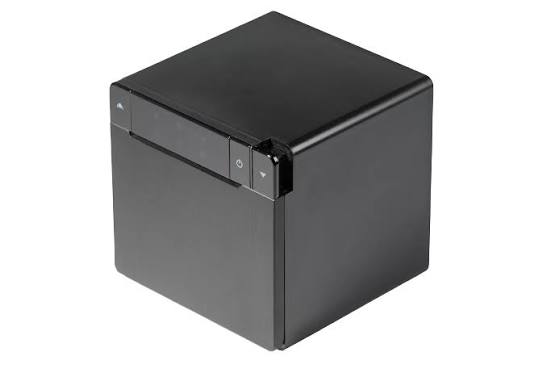
Receipt printers are widely used in retail stores, restaurants, supermarkets, hotels, and other commercial environments where accurate transaction records are essential. These devices often operate for extended periods and handle hundreds or thousands of printing tasks. As a result, businesses expect receipt printers to deliver consistent performance, withstand frequent use, and require minimal maintenance.
For manufacturers, ensuring product reliability and durability involves more than assembling high-quality components. It requires careful engineering, material selection, controlled production processes, comprehensive testing, and continuous product improvement. Understanding these practices helps businesses evaluate printing equipment and choose suitable manufacturing partners.
1. Selecting High-Quality Components
The reliability of a receipt printer largely depends on the quality of its internal components. Manufacturers carefully select electronic and mechanical parts to ensure that the finished device performs consistently.
Some important components include:
- Thermal print heads: Responsible for producing clear text and graphics on thermal paper.
- Motors: Control paper movement and support consistent printing operations.
- Circuit boards: Manage electronic functions and communication between components.
- Paper-feeding rollers: Help move paper smoothly through the printing mechanism.
- Automatic cutters: Separate printed receipts in models equipped with cutting systems.
Manufacturers evaluate component specifications, supplier reliability, and expected operating performance before incorporating parts into production. Using suitable components helps reduce premature failures and improves overall equipment lifespan.
2. Applying Precision Engineering and Product Design
Product design plays a significant role in determining how well a receipt printer performs over time. Poor component positioning or inefficient mechanical arrangements can create unnecessary friction, overheating, and operational problems.
Manufacturers use engineering software and prototype development to evaluate product structures before beginning mass production.
Engineers consider several design factors, including internal component placement, ventilation, paper movement, housing strength, and accessibility for maintenance.
A well-designed printer should also be convenient to operate. Features such as accessible paper compartments, simple control buttons, and easy-loading mechanisms can reduce operating difficulties and improve the user experience.
3. Implementing Strict Manufacturing Quality Control
Consistent manufacturing processes are essential for producing reliable receipt printers. Even high-quality components can create problems if they are incorrectly assembled or installed.
Professional manufacturing facilities establish quality control procedures throughout production.
These procedures may include:
- Inspecting incoming electronic and mechanical components.
- Checking circuit board assembly.
- Monitoring component installation.
- Evaluating mechanical alignment.
- Inspecting external housing quality.
- Testing completed printers before packaging.
Manufacturers may also use standardized work instructions and inspection records to maintain consistency across different production batches.
Identifying defects during manufacturing helps reduce the likelihood of faulty products reaching customers.
4. Conducting Comprehensive Performance Testing
Before receipt printers are approved for distribution, they should undergo functional testing to confirm that they operate according to their specifications.
Performance testing evaluates important characteristics such as printing speed, text clarity, paper feeding, and communication reliability.
For example, a printer may be tested by processing repeated printing commands to determine whether it maintains consistent output during extended operation.
Manufacturers may also evaluate automatic cutting performance, sensor functionality, and error detection systems where these features are included.
Testing under different operating conditions helps identify weaknesses and provides useful information for further product improvements.
5. Improving Thermal Management
Thermal printers generate heat during operation because their print heads use controlled heating elements to produce images on specially coated paper.
Effective thermal management is therefore important for maintaining consistent printing performance.
Manufacturers consider print head specifications, operating temperatures, power management, and internal product design when developing thermal printing systems.
Proper engineering helps prevent excessive heat buildup and supports stable operation during frequent printing tasks.
It also helps maintain print clarity and protects sensitive internal components from unnecessary thermal stress.
6. Testing Mechanical Durability
Receipt printers contain several moving components that experience repeated movement during normal operation. Paper-feeding rollers, motors, gears, and automatic cutters must withstand frequent use.
Manufacturers conduct mechanical durability tests to evaluate how these components perform over repeated operating cycles.
For example, paper-feeding systems may undergo repeated loading and printing tests to identify potential jams or inconsistent movement.
Automatic cutters may also be evaluated through repeated cutting operations to assess their mechanical performance.
These tests help manufacturers identify weaknesses before products enter commercial use.
7. Ensuring Electrical Safety and Connectivity Stability
Electrical reliability is another important factor in receipt printer durability. Unstable power systems, poor electrical connections, or unsuitable components can cause operational failures.
Manufacturers evaluate power supplies, circuit protection, electrical connections, and component specifications during product development and testing.
Connectivity is equally important because modern printers frequently communicate with computers, tablets, and POS terminals.
Depending on the model, manufacturers may test USB, Ethernet, Bluetooth, and Wi-Fi connections to verify stable communication.
Reliable connectivity reduces interruptions and supports smooth transaction processing.
8. Using Suitable Materials for Product Construction
The external housing and internal mechanical components must be manufactured using materials appropriate for their intended applications.
Receipt printer housings commonly use engineering plastics selected for their strength, dimensional stability, and resistance to ordinary workplace conditions.
Other components may require specific materials to withstand friction, heat, and repeated mechanical movement.
Manufacturers evaluate material properties to balance durability, weight, production costs, and product design requirements.
Appropriate material selection helps protect internal electronics and maintain structural integrity during everyday use.
9. Providing Maintenance Guidance and After-Sales Support
Product reliability also depends on how equipment is operated and maintained after purchase.
Manufacturers can help customers extend printer service life by providing clear maintenance instructions and technical documentation.
Useful maintenance recommendations include cleaning the print head with suitable materials, removing paper dust, using compatible thermal paper, and keeping the printer away from excessive moisture.
Manufacturers should also provide information about warranty coverage, troubleshooting procedures, firmware updates, and replacement components.
Responsive technical support helps businesses resolve operational problems and reduce equipment downtime.
Choosing a Manufacturer Focused on Long-Term Reliability
Businesses purchasing receipt printers should evaluate a manufacturer’s engineering capabilities, component quality, production standards, and testing procedures.
A dependable Receipt Printer Manufacturer should be able to explain product specifications, quality inspection practices, available models, and technical support arrangements.
Buyers should also request product samples and examine printing performance under their actual operating conditions. This is particularly important when purchasing equipment in bulk or introducing printers across multiple business locations.
Conclusion
Receipt printer reliability and durability depend on several interconnected manufacturing practices. High-quality components, precision engineering, strict quality control, mechanical testing, thermal management, and suitable materials all contribute to dependable equipment.
Manufacturers that prioritize these areas can produce printers capable of meeting demanding business requirements. For buyers, evaluating these production practices and selecting a manufacturer that provides consistent technical support can help reduce maintenance problems, improve operational efficiency, and deliver better long-term value.