
Industrial operations often involve challenging working conditions where equipment, raw materials, finished goods, and outdoor structures require reliable protection. Exposure to rain, sunlight, dust, chemicals, and physical damage can affect product quality and increase maintenance expenses. Choosing suitable protective materials is therefore essential for maintaining operational efficiency.
PVC tarpaulins have become a popular solution across various industries because of their durability, flexibility, and water-resistant properties. Behind these materials are specialized PVC Tarpaulin Manufacturers that develop and produce protective fabrics for different commercial and industrial applications. Their role extends beyond manufacturing, as they also contribute to material innovation, product quality, and customized protection solutions.
Understanding PVC Tarpaulins in Industrial Applications
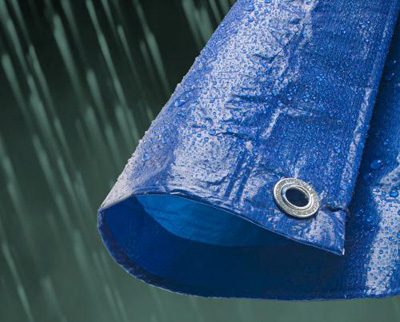
PVC tarpaulin is a flexible fabric generally made from a woven textile base coated or laminated with polyvinyl chloride (PVC). This construction combines fabric strength with the protective characteristics of PVC.
Depending on the manufacturing process and material specifications, these tarpaulins can offer resistance to moisture, abrasion, sunlight, and demanding environmental conditions.
Their versatility makes them suitable for applications where traditional fabric coverings may not provide sufficient protection.
1. Protecting Industrial Equipment and Machinery
Industrial machinery and equipment often represent significant investments. When stored outdoors or used in exposed environments, they can be affected by moisture, dust, and weather-related deterioration.
PVC tarpaulins provide protective coverings that help reduce direct exposure to these conditions.
Manufacturers produce different thicknesses and material grades to accommodate varying protection requirements. Heavy-duty options may be suitable for machinery covers, while lighter materials can serve temporary protective purposes.
2. Supporting Safe Transportation and Cargo Handling
Transportation is another important area where PVC tarpaulins play a valuable role.
Trucks, trailers, and cargo vehicles frequently transport goods over long distances. During transportation, cargo may encounter rain, sunlight, dust, and wind.
Durable PVC covers help protect transported materials from these external elements.
Manufacturers can produce tarpaulins with reinforced edges, customized dimensions, and suitable material strengths to meet different transportation requirements.
3. Providing Protection in Construction Projects
Construction sites contain expensive equipment, building materials, and unfinished structures that may be exposed to changing weather conditions.
PVC tarpaulins are commonly used to cover cement-related supplies, tools, machinery, and temporary work areas.
They can also serve as temporary partitions and protective enclosures.
Their flexibility allows construction teams to install, remove, fold, and transport the materials as project requirements change.
4. Improving Agricultural Storage and Protection
Agricultural operations depend on suitable protection for crops, machinery, fertilizers, and stored materials.
PVC tarpaulins can help protect agricultural products from rain, dust, and excessive environmental exposure when selected and installed appropriately.
They are also used for covering equipment, creating temporary storage enclosures, and protecting harvested materials during transportation.
Manufacturers develop different material specifications to address the requirements of agricultural businesses, including flexibility and resistance to outdoor conditions.
5. Supporting Warehouse and Industrial Storage
Warehouses and industrial facilities often need flexible materials for covering stored products, separating workspaces, and creating temporary protective barriers.
PVC tarpaulins can serve several purposes in these environments.
Common applications include:
- Protective covers for stored inventory.
- Temporary warehouse partitions.
- Industrial curtains and dividers.
- Protective enclosures for equipment.
- Covers for goods awaiting transportation.
Their availability in different colors, thicknesses, and dimensions makes them adaptable to various storage requirements.
6. Manufacturing Durable and Weather-Resistant Materials
One of the most important responsibilities of PVC tarpaulin manufacturers is producing materials that can withstand demanding conditions.
The final product’s performance depends on several factors, including fabric construction, PVC formulation, coating thickness, and production techniques.
Manufacturers must carefully control these variables to achieve the required material characteristics.
Important performance properties include:
- Water resistance: Helps prevent moisture from reaching protected materials.
- UV resistance: Reduces deterioration caused by sunlight exposure.
- Tear strength: Helps prevent damage during handling and installation.
- Abrasion resistance: Supports repeated use in industrial environments.
- Flexibility: Makes folding, transportation, and installation easier.
The appropriate combination of these properties depends on the intended industrial application.
7. Customizing Solutions for Different Industries
Industrial protection requirements are rarely identical. A transportation company may need heavy-duty vehicle covers, while a manufacturing facility may require specialized curtains or protective partitions.
Manufacturers support these differences by offering customization options.
Depending on their production capabilities, they may provide:
- Customized sizes and dimensions.
- Different fabric weights and thicknesses.
- Various colors and surface finishes.
- Reinforced edges and welded seams.
- Specialized coatings and performance properties.
Customized manufacturing helps businesses obtain materials that better match their equipment, storage systems, and working environments.
8. Maintaining Quality Through Modern Manufacturing Processes
Consistent quality is essential when PVC tarpaulins are used for industrial protection.
Manufacturers use different production processes, including fabric preparation, PVC coating, lamination, heat treatment, and finishing.
Modern machinery and controlled production methods can help improve material uniformity and reduce manufacturing defects.
Quality assurance may also involve testing tensile strength, tear resistance, coating adhesion, waterproofing, and UV performance.
These procedures help manufacturers evaluate whether products meet the specifications required for their intended applications.
9. Helping Businesses Reduce Maintenance and Replacement Costs
Industrial protection solutions can influence long-term operating expenses.
When equipment and stored goods are exposed to environmental damage, businesses may face additional maintenance, repair, or replacement costs.
Suitable PVC tarpaulins help reduce certain exposure-related risks by providing an additional protective barrier.
Although the initial purchasing cost is important, businesses should also consider material durability, expected service life, maintenance requirements, and replacement frequency.
Selecting an appropriate product can provide better long-term value than choosing materials based entirely on their lowest price.
10. Supporting More Efficient Industrial Operations
Protective coverings contribute to organized industrial environments by helping businesses manage storage, transportation, and equipment protection.
For example, temporary PVC partitions can help separate working areas, while protective curtains can provide flexible barriers in warehouses and production facilities.
These applications allow businesses to adapt their spaces without necessarily investing in permanent structures.
The availability of different material specifications also gives industrial operators greater flexibility when planning protective arrangements.
Factors to Consider When Selecting a PVC Tarpaulin Manufacturer
Choosing the right manufacturer is essential for obtaining materials that meet industrial performance requirements.
Before making a purchasing decision, businesses should evaluate several factors.
Product specifications: Confirm fabric weight, thickness, coating type, and relevant performance characteristics.
Manufacturing experience: Review the supplier’s experience with industrial and commercial applications.
Quality control: Ask about inspection procedures, product testing, and available technical documentation.
Customization capabilities: Determine whether the manufacturer can accommodate specific dimensions and material requirements.
Production capacity: Ensure the supplier can manage the required order volume and delivery schedule.
Customer support: Evaluate communication, technical assistance, and after-sales service.
Careful supplier evaluation helps businesses avoid unsuitable products and establish more dependable purchasing relationships.
Conclusion
PVC tarpaulin manufacturers play an important role in industrial protection by producing versatile materials for machinery, transportation, construction, agriculture, and storage applications.
Through suitable raw materials, modern production techniques, quality testing, and customization capabilities, manufacturers help businesses address different environmental and operational challenges.
For industrial buyers, selecting the right supplier involves understanding both product specifications and manufacturing capabilities. By prioritizing durability, consistent quality, and application-specific performance, businesses can make better purchasing decisions and develop effective long-term protection solutions.