
Introduction
Selecting the right equipment is one of the most important decisions in any deep foundation project. The performance, safety, and efficiency of construction work depend heavily on whether the machinery matches the ground conditions and project requirements.
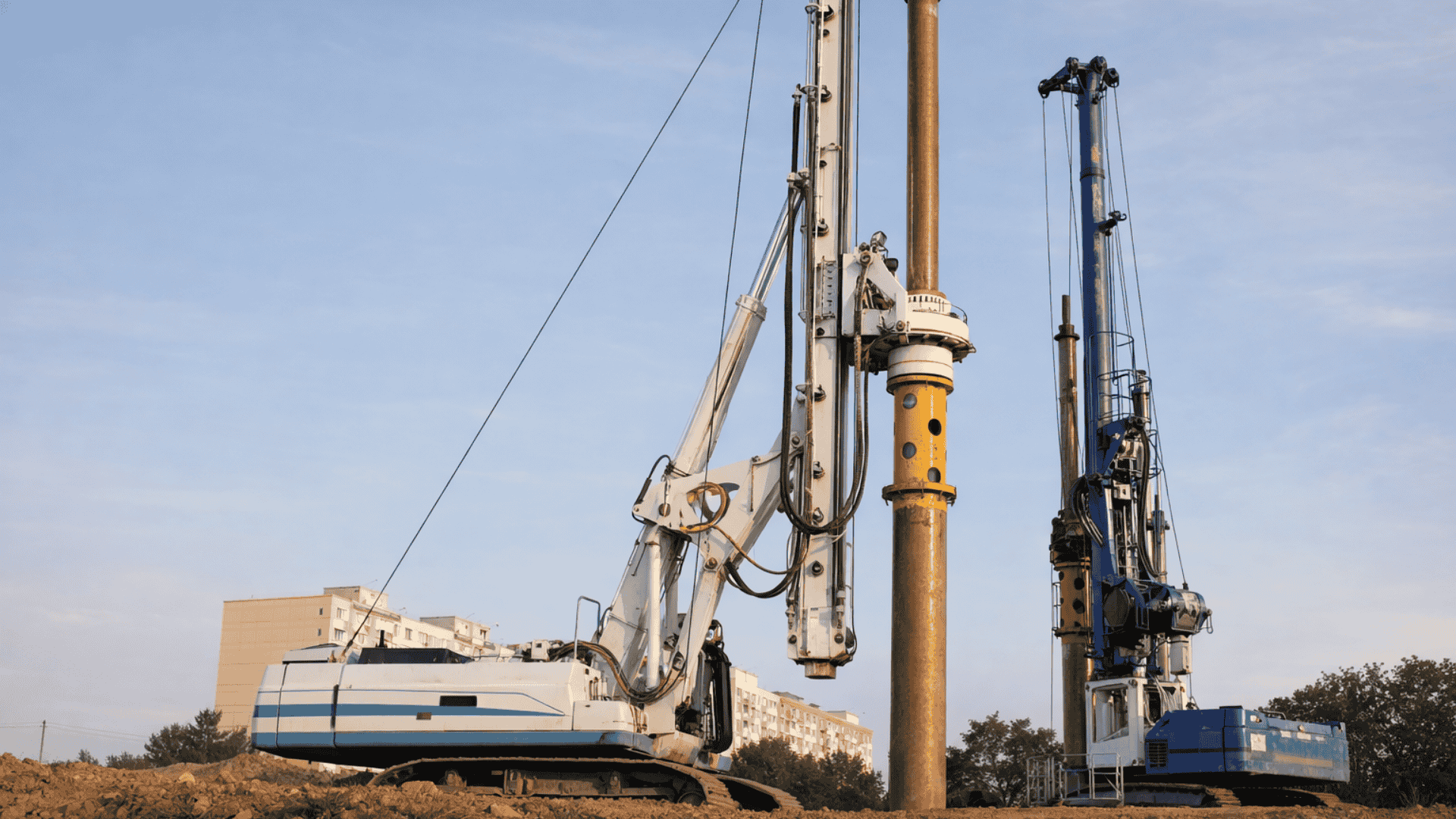
A pile drilling rig is a specialized machine designed for deep foundation drilling, and choosing the correct model can significantly impact project success. A modern pile drilling rig must be evaluated carefully based on soil type, site constraints, and structural demands to ensure optimal performance.
Importance of Matching Equipment to Site Conditions
Every construction site has unique geological characteristics. Soil may vary from soft clay to dense gravel or even rock layers, and each condition requires different drilling capabilities.
Using the wrong rig can lead to:
- Poor drilling efficiency
- Increased equipment wear and tear
- Project delays and higher costs
- Compromised structural stability
That is why proper evaluation of site conditions is essential before selecting a rig.
Analyzing Soil Conditions Before Selection
Soil investigation is the first step in choosing the right drilling equipment. Geotechnical surveys provide essential data about ground composition and behavior.
Key soil factors to analyze include:
- Soil density and strength
- Presence of rock or hard layers
- Groundwater level
- Soil stability during excavation
- Depth of load-bearing strata
This information helps determine the required torque, drilling method, and rig capacity.
Matching Pile Drilling Rig Types to Soil Conditions
Different soil conditions require different types of drilling capabilities.
Soft Soil and Clay
For soft or loose soil, rigs with continuous flight auger systems are highly effective. They provide smooth drilling while preventing borehole collapse.
Medium-Density Soil
Rotary drilling rigs are suitable for mixed soil conditions. They offer balanced torque and flexibility for general foundation work.
Hard Soil and Gravel
High-torque rigs are needed for dense gravel and compact soil layers. These machines ensure steady penetration without losing alignment.
Rock or Extremely Hard Layers
Specialized rigs with core barrels or rock drilling tools are required to break through hard formations efficiently.
Evaluating Drilling Depth and Load Requirements
Another important factor is the structural requirement of the project. The deeper and heavier the load, the more powerful the rig must be.
Key considerations include:
- Required pile depth
- Borehole diameter
- Structural load-bearing capacity
- Reinforcement requirements
Selecting a rig that matches these specifications ensures long-term foundation stability.
Site Accessibility and Space Constraints
Construction sites vary widely in available working space. Urban environments often have limited access, while large infrastructure projects offer more flexibility.
When evaluating site conditions, consider:
- Machine size and mobility
- Transportation access to the site
- Space for rig setup and operation
- Ground stability for heavy machinery
Compact rigs are better for confined spaces, while larger rigs are suited for open construction areas.
Performance and Operational Efficiency
Efficiency plays a key role in project timelines and cost management. A suitable pile drilling rig should maintain consistent performance under varying conditions.
Important performance factors include:
- Drilling speed across soil layers
- Fuel or energy efficiency
- Ease of tool replacement
- Hydraulic system responsiveness
A well-matched rig improves productivity and reduces downtime.
Safety and Stability Considerations
Safety is critical when working with heavy drilling equipment. The selected rig must ensure stable operation under all working conditions.
Key safety features to look for include:
- Strong chassis and balanced structure
- Real-time monitoring systems
- Automatic shutdown mechanisms
- Reliable hydraulic control systems
These features help reduce operational risks and improve site safety.
Cost vs Long-Term Value
While budget is always a consideration, long-term value should guide decision-making. A cheaper rig may not perform well in challenging soil conditions, leading to higher maintenance and operational costs.
Engineers should evaluate:
- Durability of components
- Maintenance requirements
- Availability of spare parts
- Expected service life
A properly selected rig can significantly reduce overall project costs over time.
Conclusion
Choosing the right pile drilling rig for soil and site conditions is essential for ensuring safe, efficient, and high-quality foundation construction. Careful analysis of soil properties, project requirements, and site constraints allows engineers to select equipment that delivers optimal performance.
With the right selection, construction teams can improve productivity, reduce risks, and achieve stronger, more reliable foundation systems for long-term infrastructure success.