
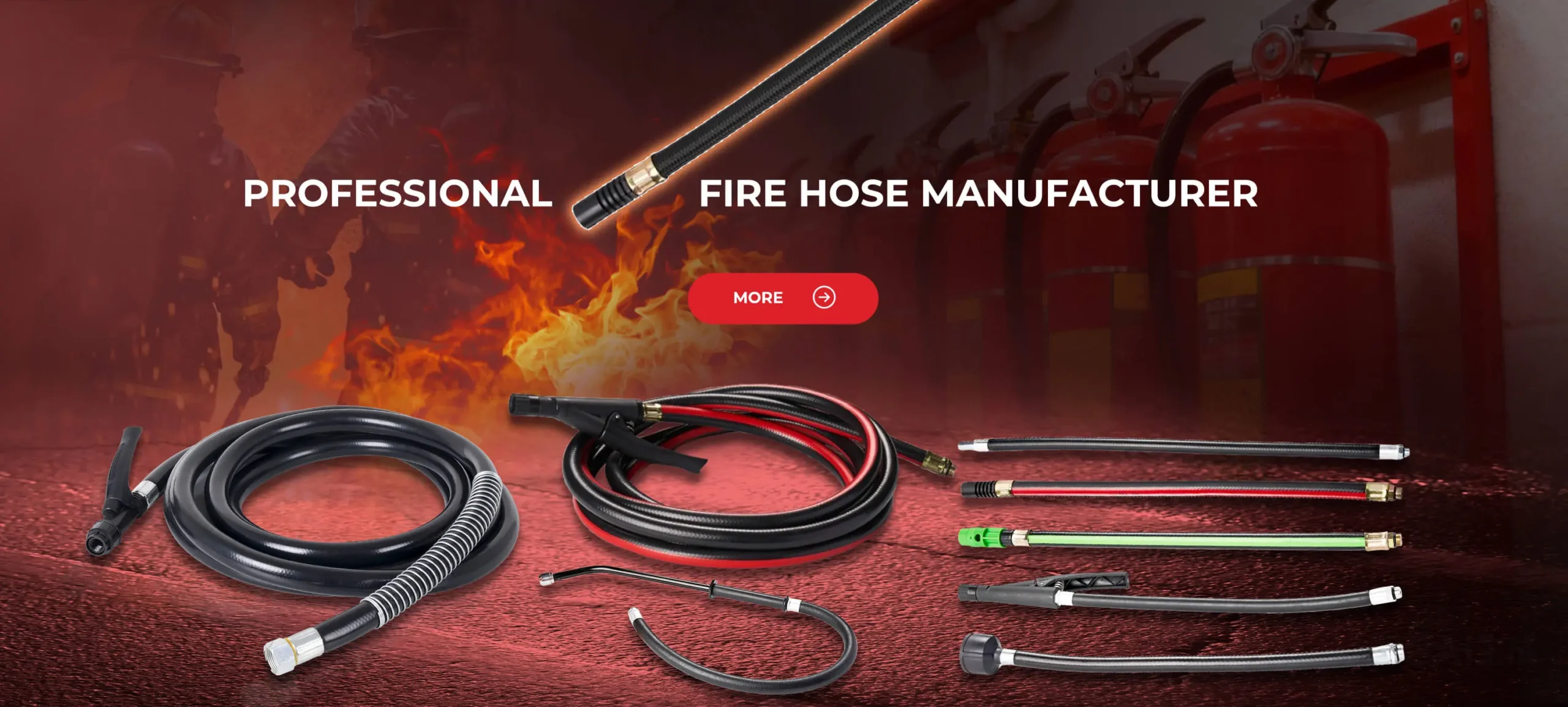
Fire extinguishers are designed to control specific types of fires by delivering an appropriate extinguishing agent to the affected area. However, their effectiveness depends on more than the chemical properties of the agent. The way the material leaves the extinguisher, spreads through the air, and reaches the burning surface also influences suppression performance. Understanding discharge patterns and coverage helps users select suitable equipment and recognize how different extinguisher designs operate.
Extinguisher Spray refers to the discharge of an extinguishing agent through a nozzle or outlet during extinguisher operation. Depending on the equipment type, the agent may emerge as a concentrated stream, a fine mist, a broad spray, foam, powder, or gas. Each discharge form has different characteristics, making it suitable for particular fire classifications and operating conditions. No single spray pattern is appropriate for every emergency.
What Determines an Extinguisher’s Spray Pattern?
An extinguisher’s discharge pattern is influenced by several design and operating factors. These elements determine how the agent travels from the cylinder to the fire and how effectively it reaches the intended area.
1. Nozzle Design
The nozzle controls the direction, shape, and distribution of the discharged agent. Its opening size, internal structure, and outlet configuration influence whether the material leaves as a narrow stream, wider spray, or dispersed flow.
Some extinguishers use simple discharge outlets, while others incorporate specialized nozzles designed for foam, water mist, or other agents. The nozzle must be compatible with the extinguisher’s contents and operating pressure.
2. Operating Pressure
Pressure helps propel the extinguishing agent through the discharge system. The pressure level influences discharge speed, reach, and consistency. If pressure falls outside the manufacturer’s specified range, the extinguisher may not perform as intended.
3. Agent Properties
The physical characteristics of the extinguishing agent also affect its discharge. Water can form a stream or mist, foam produces an expanding layer of bubbles, dry chemical powder disperses as particles, and carbon dioxide exits as a rapidly expanding gas and solid particles.
4. Discharge Mechanism
The operating valve, hose, internal pickup tube, and other components contribute to consistent agent delivery. Damaged or obstructed parts can interfere with the intended pattern and reduce discharge performance.
Common Types of Extinguisher Discharge Patterns
Different extinguishing agents produce different discharge characteristics. Understanding these differences helps explain why extinguisher selection must be based on fire risk.
Water Stream and Water Mist
Traditional water extinguishers commonly discharge a directed stream intended for suitable Class A fires involving materials such as wood, paper, and textiles. Water mist systems produce smaller droplets that spread over a wider area and provide cooling.
The effectiveness of either design depends on its approved application and operating specifications. Ordinary water extinguishers should not be used on energized electrical equipment or flammable liquid fires.
Foam Discharge
Foam extinguishers deliver an agent that expands into a blanket over suitable burning surfaces. This helps separate flammable liquid vapors from oxygen while providing a cooling effect. The discharge is generally designed to apply foam without unnecessarily disturbing the burning liquid.
Dry Powder Discharge
Dry powder extinguishers release fine chemical particles through a nozzle. The powder disperses across the target area and interrupts the combustion process. Its discharge can cover a relatively broad space, although wind and air movement may affect distribution.
Powder residue can also contaminate machinery, electronics, and nearby surfaces. Visibility may be reduced during discharge, so users must maintain awareness of their escape route.
Carbon Dioxide Discharge
Carbon dioxide extinguishers release gas through a specialized horn or nozzle. The agent helps suppress suitable fires by reducing the oxygen available around the combustion area. It leaves little residue, making it useful for certain electrical equipment and flammable liquid risks.
However, CO₂ provides limited cooling, and the fire may reignite if hot materials remain. It can also be dangerous in confined spaces because high concentrations may displace breathable oxygen.
Wet Chemical Discharge
Wet chemical extinguishers are designed primarily for cooking oil and fat fires. Their nozzles deliver the agent in a controlled application that cools the burning material and helps form a protective surface layer. This reduces the possibility of reignition when the equipment is used correctly.
Understanding Discharge Coverage and Performance
Coverage describes how effectively the extinguishing agent reaches the intended fire area. It depends on the nozzle pattern, discharge duration, agent quantity, distance, and environmental conditions.
A narrow stream may provide targeted delivery, while a wider pattern can distribute an agent across a broader surface. However, wider coverage does not automatically mean better fire suppression. The correct application depends on the fire type, fuel characteristics, and extinguisher design.
Wind, ventilation, obstacles, and room layout can also affect discharge. Outdoor conditions may carry powder or other agents away from the target, while obstacles can prevent the agent from reaching hidden or shielded burning materials.
Factors to Consider When Selecting an Extinguisher
Choosing suitable equipment requires an assessment of the likely fire hazards and the conditions in which the extinguisher will be used.
- Fire classification: Confirm that the extinguisher is rated for the expected type of fire.
- Discharge characteristics: Consider whether a stream, mist, foam, powder, or gas discharge is appropriate.
- Operating distance: Review the manufacturer’s specified discharge range and application instructions.
- Capacity and rating: Select a unit with sufficient approved capacity for the assessed risk.
- Environmental conditions: Account for ventilation, wind exposure, temperature, and nearby sensitive equipment.
- Maintenance requirements: Check servicing schedules, pressure indicators, nozzle condition, and replacement needs.
Inspection and Maintenance of Discharge Components
The nozzle and discharge assembly should be inspected regularly to identify cracks, blockages, corrosion, loose connections, or other damage. Hoses, valves, seals, safety pins, and pressure indicators should also be checked where applicable.
Extinguishers must receive professional servicing according to manufacturer instructions and local regulations. Units with damaged discharge components or abnormal pressure readings should be assessed by qualified personnel before being returned to service.
Users should receive training on extinguisher limitations and emergency procedures. Portable extinguishers should only be used when the fire is small, the correct equipment is available, and a safe escape route remains accessible. If conditions become unsafe, evacuation and contacting emergency services must take priority.
Conclusion
Extinguisher spray patterns influence how effectively an extinguishing agent reaches a fire and covers the affected area. Nozzle design, operating pressure, agent properties, and environmental conditions all contribute to discharge performance. Understanding these factors helps organizations select appropriate equipment, maintain reliable discharge components, and strengthen their overall fire safety arrangements.