
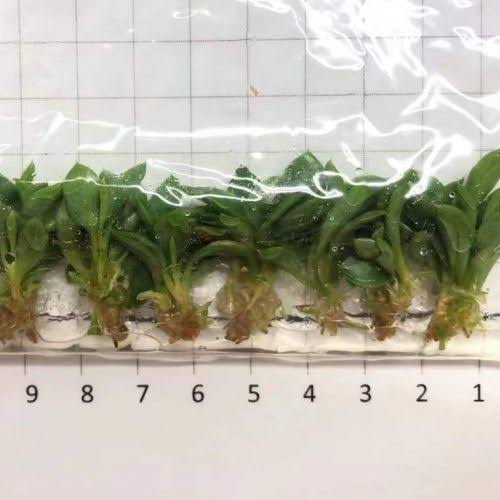
Philodendrons have become highly desirable ornamental plants because of their attractive foliage, diverse varieties, and adaptability to indoor and greenhouse environments. From colorful variegated cultivars to large tropical species, these plants attract collectors, plant enthusiasts, and commercial nurseries. As demand continues to grow, tissue culture has become an important method for producing and supplying Philodendrons in larger quantities.
For buyers looking to purchase young plants, finding reliable Philodendron Tissue Culture for Sale requires careful evaluation. Plant health, variety authenticity, root development, acclimatization stage, and supplier reliability all influence the quality of a purchase. Understanding these factors helps buyers select suitable plants for personal collections, nursery cultivation, or commercial distribution.
What Is Philodendron Tissue Culture?
Philodendron tissue culture is a laboratory-based propagation method used to produce new plants from small sections of existing plant tissue. Also known as micropropagation, this technique involves growing selected plant material in sterile containers containing specially formulated nutrient media.
The nutrient media generally supply minerals, vitamins, sugars, and plant growth regulators that encourage shoot multiplication and root development.
Once the plantlets reach a suitable stage, they are removed from laboratory containers and gradually transferred into nursery growing conditions.
This method allows growers to multiply selected Philodendron varieties efficiently while maintaining controlled propagation procedures.
Why Buy Tissue Culture Philodendrons?
Tissue culture offers several advantages for buyers who want access to popular ornamental varieties.
Greater Variety Availability
Some Philodendron cultivars are difficult to multiply quickly through conventional propagation. Tissue culture can increase the availability of selected varieties by supporting repeated multiplication under controlled conditions.
Efficient Plant Production
Laboratories can produce numerous plantlets from relatively small amounts of starting material. This makes tissue culture suitable for nurseries and wholesale businesses requiring larger quantities.
Relatively Consistent Characteristics
When suitable parent material and propagation protocols are used, tissue culture can produce plants with similar characteristics.
However, genetic variations may occasionally occur, particularly in certain variegated cultivars.
Suitable for Commercial Cultivation
Tissue culture plants are available at different developmental stages, allowing buyers to select material according to their facilities, experience, and production requirements.
Popular Philodendron Varieties Available Through Tissue Culture
Different Philodendron varieties appeal to different types of buyers. Some are valued for colorful foliage, while others are appreciated for their unusual leaf shapes and textures.
1. Philodendron Pink Princess
<AsyncImage query=”Philodendron Pink Princess pink variegated dark green ornamental houseplant” aspectRatio=”16:9″ width=”100%”/>
Philodendron Pink Princess is one of the most recognizable variegated varieties. Its dark green leaves feature attractive pink markings that create a distinctive appearance.
Collectors often look for plants with balanced variegation and healthy new growth. However, the amount of pink coloration can vary between individual plants.
2. Philodendron White Princess
<AsyncImage query=”Philodendron White Princess plant white cream variegated green leaves” aspectRatio=”16:9″ width=”100%”/>
White Princess is appreciated for its green foliage with white or cream-colored patterns. Some plants also display subtle pink coloration on their stems.
Its attractive appearance and manageable growth habit make it suitable for indoor plant collections.
3. Philodendron White Knight
<AsyncImage query=”Philodendron White Knight dark green white variegated foliage reddish stems” aspectRatio=”16:9″ width=”100%”/>
White Knight is known for its dark green leaves, white variegation, and reddish stems.
It is a desirable option for collectors interested in distinctive foliage characteristics.
4. Philodendron Birkin
<AsyncImage query=”Philodendron Birkin dark green leaves white pinstripe indoor plant” aspectRatio=”16:9″ width=”100%”/>
Philodendron Birkin features dark green leaves with attractive cream-colored stripes. Its upright growth habit makes it suitable for tabletops, shelves, and indoor decorative arrangements.
5. Philodendron Gloriosum
<AsyncImage query=”Philodendron Gloriosum large velvety heart shaped leaves prominent white veins” aspectRatio=”16:9″ width=”100%”/>
Gloriosum is a creeping Philodendron valued for its large, heart-shaped leaves and velvety texture.
Its prominent pale veins create an attractive contrast against the dark green foliage.
6. Philodendron Melanochrysum
<AsyncImage query=”Philodendron Melanochrysum elongated velvety dark green leaves golden veins” aspectRatio=”16:9″ width=”100%”/>
Melanochrysum is a climbing variety with elongated, dark, velvety leaves and contrasting golden-green veins.
It is popular among collectors who appreciate large tropical foliage.
Important Factors to Consider Before Buying Tissue Culture Philodendrons
Choosing healthy tissue culture plants requires more than comparing photographs and prices. Buyers should evaluate several characteristics before placing an order.
1. Overall Plant Health
<AsyncImage query=”healthy young Philodendron tissue culture plantlets in nursery growing trays” aspectRatio=”16:9″ width=”100%”/>
Plant health should be the first consideration when assessing a potential purchase.
Look for plantlets with:
- Fresh and reasonably firm leaves.
- Healthy stems without soft or damaged sections.
- Signs of active development.
- No obvious fungal growth.
- No visible insect infestations.
Avoid plants showing widespread discoloration, severe wilting, or extensive physical damage.
2. Root Development
<AsyncImage query=”healthy young Philodendron plant white roots transparent nursery pot” aspectRatio=”16:9″ width=”100%”/>
Healthy roots are essential for water absorption and nutrient uptake.
When evaluating acclimatized plants, check whether the roots are firm and reasonably developed. Dark, mushy roots may indicate deterioration or excessive moisture.
If purchasing plantlets directly from a laboratory, ask about their rooting stage and whether they are ready for transfer into growing media.
3. Variety Authenticity
Accurate plant identification is particularly important when buying rare or expensive cultivars.
Ask the supplier to confirm the botanical name and variety. Request clear photographs or batch information when purchasing large quantities.
This helps reduce the risk of receiving incorrectly labeled plants.
4. Leaf Quality and Variegation
Leaf appearance is an important consideration for ornamental Philodendrons.
Examine leaf shape, coloration, texture, and variegation patterns. For colorful varieties, remember that individual plants may show different amounts of pink, white, cream, or yellow markings.
Do not assume every plant will have exactly the same appearance.
5. Acclimatization Stage
Tissue culture plantlets can be sold at different stages of development.
Some are supplied in sealed laboratory containers, while others have already been transferred into nursery growing media.
Ask the supplier whether plants are:
- Freshly removed from culture containers.
- Undergoing acclimatization.
- Recently transferred into nursery pots.
- Fully established and ready for further cultivation.
This information helps buyers determine the level of care and facilities required after delivery.
How to Evaluate a Tissue Culture Philodendron Supplier
Selecting a dependable supplier is just as important as choosing the correct plant variety.
Commercial buyers should examine the supplier’s production experience, product range, quality-control procedures, and communication standards.
Laboratory Experience
Suppliers with experience in ornamental plant propagation are more likely to understand the specific requirements of different Philodendron varieties.
Ask about their propagation procedures and how they monitor plant development.
Quality-Control Procedures
Reliable production facilities should follow suitable sterilization and inspection practices.
Ask how contamination is managed and whether plantlets are inspected before being prepared for delivery.
Product Availability
If purchasing multiple varieties, check whether the supplier can provide accurate information about available stock, plant sizes, and production quantities.
Communication and Documentation
Clear communication helps prevent misunderstandings about plant specifications, pricing, and delivery arrangements.
For international purchases, ask about phytosanitary certificates and other applicable import documents.
Understanding Pricing for Philodendron Tissue Culture
The price of tissue culture Philodendrons can vary significantly depending on the variety, plant size, developmental stage, and order quantity.
Some of the main factors affecting purchasing costs include:
| Pricing Factor | How It Affects Cost |
|---|---|
| Plant variety | Rare or highly demanded cultivars may cost more |
| Plant size | Larger and more established plants may have higher prices |
| Root development | Better-established plantlets may command higher prices |
| Order quantity | Wholesale quantities may offer different pricing structures |
| Acclimatization stage | Additional nursery development can influence cost |
| Packaging | Specialized packaging may increase delivery expenses |
| Transportation | Distance and shipping requirements affect total cost |
Buyers should compare the complete purchase cost rather than focusing only on the price per plant.
Questions to Ask Before Placing an Order
Before purchasing tissue culture Philodendrons, buyers should gather sufficient information about the products and supplier.
Consider asking:
- Which Philodendron varieties are currently available?
- Are the plants supplied in laboratory containers or nursery pots?
- What is the average plant size and developmental stage?
- Are the plantlets fully rooted?
- What quality inspections are performed?
- What packaging methods are used for transportation?
- What is the minimum order quantity?
- Can representative photographs of the actual batch be provided?
- What shipping and plant health documents are available?
- Are growing and acclimatization guidelines provided?
These questions help buyers understand what they are purchasing and reduce uncertainty before committing to larger orders.
Essential Care Tips After Purchasing Tissue Culture Philodendrons
Proper care after delivery is important for helping young plants establish themselves.
Maintain Appropriate Humidity
Newly acclimatized plantlets may require relatively high humidity. Maintain suitable moisture levels and reduce humidity gradually as the plants become stronger.
Provide Indirect Light
Place young Philodendrons in a bright location with filtered sunlight. Avoid strong direct sunlight during the initial establishment period.
Use Suitable Growing Media
A loose, well-draining substrate containing coco coir, perlite, and orchid bark can support healthy root development.
Water Carefully
Keep the growing medium lightly moist without allowing it to remain saturated. Check substrate moisture before watering.
Monitor Plant Development
Regularly inspect leaves, stems, and roots for signs of stress, pests, or disease.
Avoid applying concentrated fertilizer immediately after transplanting. Wait until the plants show active growth and established roots before introducing diluted fertilizer.
Common Mistakes Buyers Should Avoid
Purchasing tissue culture Philodendrons without proper evaluation can create unnecessary problems.
Some mistakes include:
- Buying plants based only on attractive product photographs.
- Ignoring root quality and plant maturity.
- Failing to verify variety identification.
- Overlooking the acclimatization stage.
- Choosing suppliers without reviewing their quality standards.
- Comparing prices without considering packaging and shipping.
- Ordering large quantities without first evaluating samples.
Taking time to assess these factors can help improve purchasing decisions and reduce potential losses.
Why Tissue Culture Philodendrons Are Suitable for Wholesale Buyers
Tissue culture provides commercial growers with opportunities to source larger quantities of selected ornamental varieties.
For wholesale buyers, the technique offers several practical advantages:
- Access to a wider selection of cultivars.
- Opportunities to purchase plants in different developmental stages.
- Greater potential for consistent product availability.
- Suitable options for expanding nursery inventories.
- Efficient sourcing for commercial cultivation projects.
Businesses such as Young Plants operate in the tissue culture plant market, where variety selection, propagation quality, and reliable plant supply are important considerations.
Wholesale buyers should still evaluate individual batches carefully and confirm that plant specifications meet their requirements.
Conclusion
Buying healthy tissue culture Philodendrons requires careful consideration of plant condition, root development, variety authenticity, leaf quality, and acclimatization stage.
Supplier reliability, laboratory standards, packaging, pricing, and transportation arrangements are equally important when evaluating purchasing options.
Whether buying plants for a personal collection or commercial nursery, understanding these factors helps reduce purchasing risks and supports successful cultivation.
By choosing suitable planting material and providing appropriate care after delivery, buyers can enjoy the ornamental value of Philodendrons while making more informed decisions in the growing tissue culture plant market.