
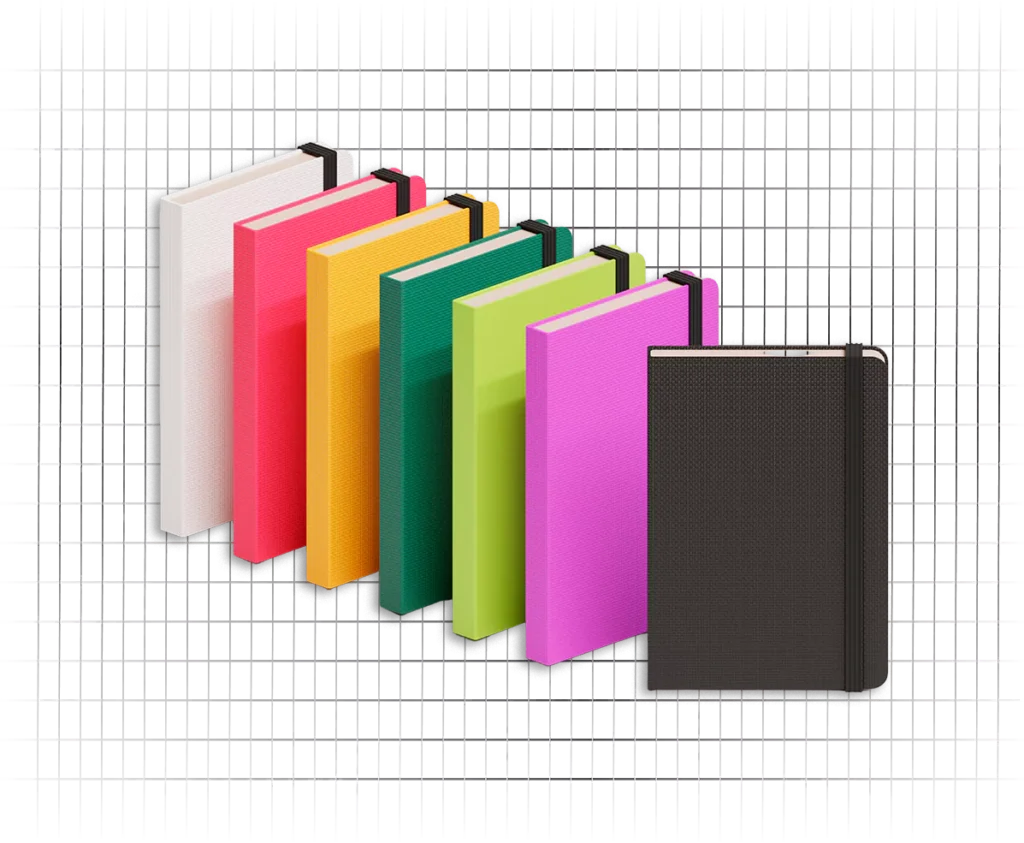
Custom book printing has become a flexible and professional solution for authors, businesses, educators, and publishers who want full control over how their books look and feel. Beyond content, the physical quality of a book—its paper, binding, and finishing—plays a major role in reader experience and perceived value. Choosing the right combination of these elements ensures that the final product aligns with its purpose, audience, and budget.
Modern printing providers offer a wide range of customizable options that make it easier to produce high-quality books at different scales. Services such as custom book printing reflect how advanced printing systems now support detailed customization while maintaining consistent production quality across both small and large print runs.
Paper Types Used in Custom Book Printing
Paper selection is one of the most important decisions in book production because it directly affects readability, durability, and overall presentation. Different paper types are suited for different kinds of content and publishing goals.
Uncoated paper is commonly used for text-heavy books such as novels, educational materials, and manuals. It provides a natural feel and reduces glare, making it comfortable for long reading sessions. Coated paper, on the other hand, is smoother and often used for image-heavy books such as catalogs, art books, and photography collections because it enhances color vibrancy and detail.
There are also specialty paper options such as textured paper or recycled paper. Textured paper adds a premium tactile experience, while recycled paper is often chosen for environmentally conscious publishing projects. Paper weight is another key factor, as thicker paper improves durability but may increase overall production cost and book thickness.
Choosing the Right Binding Style
Binding determines how a book is assembled and how it functions during use. The choice of binding style depends on the book’s purpose, expected lifespan, and design requirements.
Perfect binding is one of the most common methods for paperback books. It provides a clean and professional spine, making it suitable for novels, catalogs, and corporate publications. Hardcover binding offers greater durability and a premium appearance, making it ideal for long-term use, collectible editions, and high-value publications.
Saddle stitching is typically used for shorter booklets, brochures, and magazines. It is cost-effective and works well for publications with fewer pages. Spiral or coil binding is often used for workbooks, manuals, and training materials because it allows the book to lay flat when open, improving usability.
Each binding style serves a specific purpose, and selecting the right one helps enhance both functionality and presentation.
Finishing Options That Enhance Book Quality
Finishing options add the final layer of refinement to custom printed books. These techniques not only improve visual appeal but also increase durability and create a more engaging reading experience.
Lamination is one of the most widely used finishing methods. It adds a protective layer to the cover, improving resistance to moisture, scratches, and wear. Matte lamination provides a smooth and elegant look, while gloss lamination enhances color brightness and contrast.
Additional finishing techniques include UV coating, embossing, and foil stamping. UV coating is often used to highlight specific design elements, creating contrast and visual depth. Embossing adds a raised texture to certain areas of the cover, while foil stamping introduces metallic accents for a premium appearance.
Die-cutting is another advanced finishing option that allows custom shapes and creative design structures, often used for covers or specialty publications.
Balancing Design, Function, and Cost
When selecting paper types, binding styles, and finishing options, it is important to balance design goals with practical considerations such as budget and usability. Premium materials and advanced finishing techniques enhance visual impact but may increase production costs.
For example, a corporate report may require high-quality coated paper and professional binding to reflect brand identity, while an internal training manual may prioritize durability and cost efficiency over visual enhancements. Similarly, a novel may benefit from lightweight uncoated paper and simple perfect binding to keep production affordable and comfortable for readers.
Understanding the purpose of the book helps guide these decisions and ensures that each element supports the intended reading experience.
The Role of Technology in Modern Book Production
Advancements in printing technology have made it easier to customize paper, binding, and finishing options with greater precision. Digital printing allows for short runs and quick adjustments, while offset printing ensures consistency in large-scale production.
Automated finishing systems also improve accuracy and efficiency, reducing production time and minimizing errors. This integration of technology ensures that even highly customized books can be produced with consistent quality across multiple copies.
Conclusion
Custom book printing offers extensive flexibility in selecting paper types, binding styles, and finishing options, allowing creators to design books that match their vision and purpose. Each element—from the texture of the paper to the style of binding and final finishing—contributes to the overall quality and impact of the finished product.
By carefully choosing these components, authors, businesses, and publishers can create books that are not only functional but also visually appealing and durable. As printing technology continues to evolve, customization options will become even more accessible, making professional-quality publishing available to a wider range of creators.