
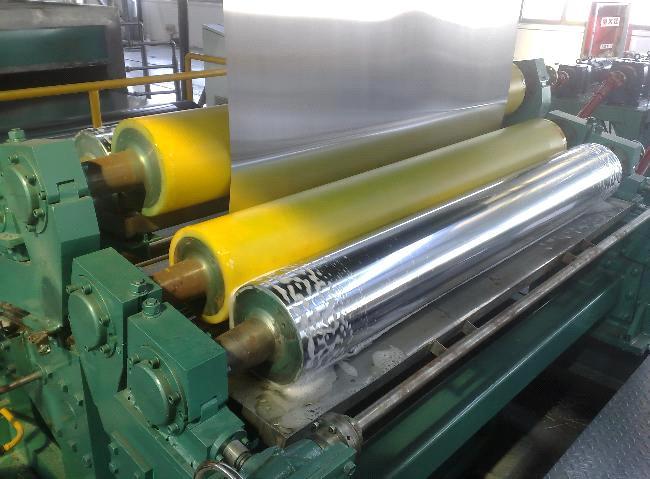
In modern metal processing industries, energy efficiency has become a critical factor in reducing operational costs and improving environmental performance. A color coating line is a complex production system that involves multiple energy-intensive processes such as surface treatment, drying, curing, and material handling. Optimizing energy consumption in these systems is essential for sustainable and cost-effective manufacturing.
A modern color coating line integrates advanced heating systems, automated controls, and efficient mechanical designs to reduce energy waste while maintaining consistent coating quality. Since these lines operate continuously at high temperatures, even small improvements in efficiency can lead to significant long-term savings.
Understanding Energy Consumption in a Color Coating Line
Energy usage in a color coating line is distributed across several key sections, each contributing differently to overall consumption. The most energy-intensive areas typically include curing ovens, drying systems, and drive mechanisms.
Major energy-consuming components include:
- Curing ovens for thermal processing
- Pre-treatment heating and drying units
- Electrical drive systems for rollers and conveyors
- Air circulation and exhaust systems
Understanding these consumption points is the first step toward effective optimization.
Energy Usage in Curing Ovens
The curing oven is the largest energy consumer in the entire system. It requires high and stable temperatures to properly cure coating layers on metal surfaces.
Energy challenges in this section include:
- Heat loss through insulation gaps
- Continuous high-temperature operation
- Inefficient airflow distribution
Improving oven efficiency has the most significant impact on overall energy savings.
Pre-Treatment and Drying Energy Requirements
Before coating, metal surfaces must be cleaned, treated, and dried. These processes also require thermal and electrical energy.
Common energy uses include:
- Heating chemical baths for surface treatment
- Drying metal strips after rinsing
- Maintaining stable chemical reaction temperatures
Improper control in this stage can lead to unnecessary energy waste.
Mechanical and Electrical System Consumption
In addition to thermal processes, mechanical systems also contribute to energy usage. Motors, rollers, and tension control systems operate continuously throughout production.
Energy factors include:
- Motor efficiency of drive systems
- Friction losses in moving components
- Continuous operation of conveyors and rollers
Upgrading to energy-efficient motors can significantly reduce consumption.
Optimization Techniques for Energy Efficiency
Improving energy efficiency in a color coating line requires a combination of equipment upgrades, process control, and operational best practices.
1. Heat Recovery Systems
Heat recovery systems capture waste heat from ovens and reuse it in pre-heating or drying stages. This reduces overall fuel or electricity demand.
Benefits include:
- Reduced fuel consumption
- Improved thermal efficiency
- Lower operational costs
2. Improved Insulation in Ovens
Proper insulation minimizes heat loss and stabilizes temperature distribution.
Optimization methods include:
- Using high-quality insulating materials
- Sealing gaps in oven structures
- Regular inspection of thermal barriers
This reduces energy waste significantly over time.
3. Variable Frequency Drives (VFDs)
VFDs are used to control motor speed based on real-time production needs.
Advantages include:
- Reduced power consumption during low-load operation
- Better control of line speed
- Lower mechanical stress on equipment
This is one of the most effective electrical optimization techniques.
4. Process Parameter Optimization
Adjusting process parameters can significantly improve energy efficiency without major equipment changes.
Key adjustments include:
- Optimizing line speed for balanced production
- Reducing unnecessary heating cycles
- Fine-tuning curing temperature and duration
Proper calibration ensures both quality and efficiency.
5. Automation and Smart Monitoring Systems
Advanced automation systems help monitor energy usage in real time and identify inefficiencies.
Features include:
- Energy consumption tracking dashboards
- Automated shutdown of idle equipment
- Predictive maintenance alerts
Smart systems enable continuous optimization of operations.
Role of Maintenance in Energy Efficiency
Regular maintenance is essential for ensuring that equipment operates at peak efficiency. Poor maintenance can lead to energy losses due to friction, leaks, or system imbalance.
Important maintenance practices include:
- Cleaning heat exchangers and burners
- Checking insulation integrity
- Lubricating mechanical components
- Calibrating sensors and control systems
Well-maintained systems consume significantly less energy.
Environmental and Economic Benefits
Energy optimization in coating systems provides both environmental and financial advantages. Reduced energy consumption lowers carbon emissions and operational costs simultaneously.
Key benefits include:
- Lower production costs
- Reduced environmental impact
- Improved sustainability performance
- Enhanced competitiveness in global markets
These benefits make energy optimization a strategic priority for manufacturers.
Conclusion
Energy consumption in a color coating line is influenced by thermal processes, mechanical systems, and operational efficiency. By implementing optimization techniques such as heat recovery, improved insulation, variable frequency drives, and smart automation, manufacturers can significantly reduce energy usage while maintaining high production quality.
As industries move toward more sustainable manufacturing practices, energy-efficient coating systems will play a key role in reducing costs and environmental impact while ensuring consistent and reliable production performance.