
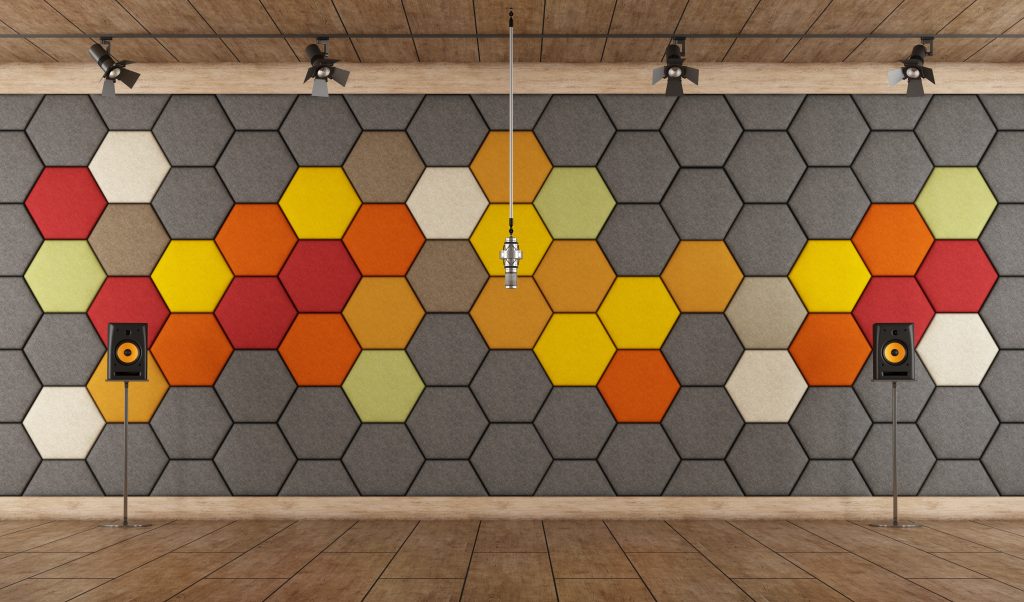
In today’s construction and interior design industries, acoustic performance has become a core requirement rather than an optional feature. Offices, schools, hotels, and residential developments increasingly rely on sound management solutions to improve comfort, productivity, and user experience. As projects become more complex, the relationship between buyers and suppliers has also evolved.
Working consistently with a trusted acoustic panels supplier can bring long-term advantages beyond individual project success. Instead of treating procurement as a one-time transaction, many businesses now focus on building strategic partnerships that improve efficiency, reduce costs, and ensure consistent quality over time.
Why Long-Term Supplier Relationships Matter
Long-term partnerships in the acoustic industry provide stability in quality, pricing, and project execution. When a supplier understands a client’s expectations and design preferences, future projects become faster and more efficient.
This familiarity reduces communication gaps and minimizes errors in product selection, installation planning, and customization requirements. Over time, it also helps streamline procurement processes and improve project predictability.
Consistency in Product Quality and Performance
One of the key benefits of maintaining a long-term supplier relationship is product consistency. Acoustic panels must meet specific performance standards to ensure effective sound control across different environments.
A reliable supplier ensures that materials, density, finishes, and acoustic ratings remain consistent across multiple orders. This is especially important for large-scale developments where uniformity affects both aesthetics and performance.
Consistent quality also reduces the risk of rework or replacement, which can significantly impact project timelines and budgets.
Improved Communication and Project Efficiency
Strong supplier relationships improve communication flow between stakeholders. When a supplier is familiar with a client’s project requirements, they can respond more quickly and accurately to inquiries.
This includes:
- Faster quotation and pricing updates
- Clearer technical recommendations
- More accurate customization options
- Reduced misunderstandings during production
Efficient communication helps project teams make quicker decisions and avoid unnecessary delays.
Access to Better Customization and Innovation
Long-term collaboration often leads to better customization support. Suppliers are more willing to invest time in understanding a client’s design preferences and technical requirements when there is an established relationship.
This can result in:
- Tailored acoustic solutions for unique architectural designs
- Exclusive material or finish options
- Early access to new product innovations
- Improved design collaboration with architects and contractors
Innovation becomes easier when both parties work closely over multiple projects.
Cost Stability and Negotiation Advantages
Price fluctuations are common in manufacturing industries due to changes in raw material costs and logistics. However, long-term partnerships often help stabilize pricing structures.
Suppliers are more likely to offer competitive rates, bulk discounts, and flexible payment terms to repeat clients. This can significantly improve budget planning for large or ongoing projects.
Over time, these financial benefits contribute to more predictable project costing and improved profit margins.
Technical Support and Ongoing Collaboration
A strong supplier relationship goes beyond product delivery. It includes continuous technical support throughout the lifecycle of multiple projects.
This support may include:
Acoustic Planning Assistance
Suppliers can provide recommendations based on room size, layout, and usage patterns to optimize sound performance.
Installation Guidance
Detailed instructions and on-site advice help ensure correct installation and maximum acoustic efficiency.
Problem Solving and Optimization
For complex projects, suppliers can assist in identifying and resolving acoustic issues during or after installation.
Reliability in Supply Chain and Delivery
In construction projects, delays in material delivery can lead to significant disruptions. Long-term partnerships often improve supply chain reliability.
Suppliers prioritize repeat clients by ensuring:
- Faster production scheduling
- Reserved inventory allocation
- Priority shipping arrangements
- Better coordination with project timelines
This reliability is especially important for large commercial developments with strict deadlines.
Building Trust Through Performance History
Trust is a key factor in long-term partnerships. It is built over time through consistent delivery of quality products, on-time shipments, and effective communication.
A supplier that consistently meets expectations becomes a valuable extension of the project team. This trust reduces the need for constant verification and allows teams to focus more on design and execution.
Strategic Value for Large-Scale Projects
For developers and contractors handling multiple projects, maintaining a long-term supplier relationship offers strategic advantages. It simplifies procurement processes and ensures consistency across different locations or project phases.
This is particularly useful in:
- Hotel chains
- Corporate office expansions
- Educational institutions
- Multi-site residential developments
A single trusted supplier can help maintain uniform acoustic standards across all projects.
Final Thoughts
Building a long-term partnership with a reliable acoustic supplier is a strategic decision that benefits both project efficiency and overall quality. It enhances communication, ensures consistent product performance, and provides financial and operational advantages over time.
Working closely with an experienced acoustic panels supplier allows businesses to streamline procurement, improve acoustic design outcomes, and reduce project risks. Over time, this collaboration becomes a key factor in achieving successful, efficient, and high-quality acoustic installations across a wide range of building environments.