
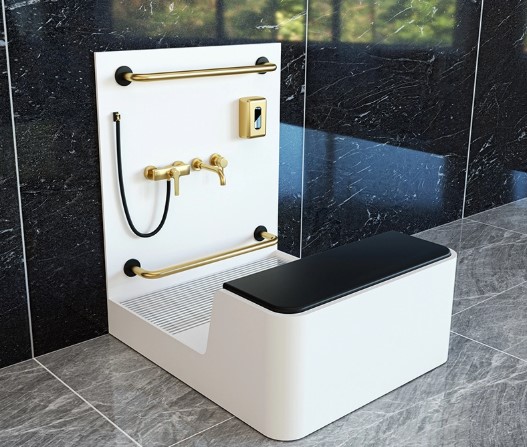
A wudu basin receives regular contact with water, soap, and everyday dirt. Without proper care, mineral deposits, stains, clogged drains, and surface damage can affect its appearance and function. A consistent maintenance routine helps keep the washing area clean and comfortable for daily use.
The cleaning requirements may differ between a family bathroom and a busy mosque or commercial facility. Understanding the material, drainage arrangement, and frequency of use makes it easier to care for a Wudu basin without damaging its surface. Simple daily checks and periodic inspections can also prevent small issues from turning into expensive repairs.
Why Regular Wudu Basin Maintenance Matters
A clean basin supports hygiene and makes ablution more comfortable. Water residue, soap deposits, and dirt can build up around the bowl, faucet, and drain. These deposits may leave visible marks and affect water flow over time.
Regular maintenance also helps protect the basin material. Harsh cleaners, standing water, and neglected plumbing can shorten the useful life of bathroom fixtures. A suitable cleaning routine keeps the surface in good condition and helps identify problems early.
For commercial facilities, maintenance has an additional role. Many people may use the same washing area throughout the day, so staff need a routine that keeps the basin ready for the next user.
Daily Cleaning Tips For Wudu Basins
Daily cleaning prevents dirt and mineral deposits from becoming difficult to remove. The process does not need to take long, especially when staff or household members follow the same basic steps.
Rinse Away Soap And Dirt
After regular use, rinse the bowl with clean water to remove loose dirt and soap residue. Pay attention to the areas around the drain and faucet, where deposits often collect.
A soft cloth or non-abrasive sponge can remove remaining marks. Avoid rough scouring pads that may scratch the surface or damage its finish.
Dry The Surface
Use a clean microfiber cloth to wipe away excess water after cleaning. This step helps reduce water spots, particularly in areas with hard water.
Drying also prevents moisture from sitting around faucet bases, joints, and countertop edges. These areas deserve attention because repeated exposure to water may affect seals or surrounding materials.
Clean The Faucet And Handles
Faucets collect fingerprints, water marks, and soap residue. Wipe them with a suitable mild cleaner and a soft cloth.
Check the handles and faucet base during cleaning. Dirt can collect around these points, and small leaks may go unnoticed when staff only focus on the basin bowl.
Weekly Maintenance For Better Hygiene
Daily rinsing handles surface dirt, but a weekly cleaning routine helps remove buildup from less visible areas. The exact schedule depends on how frequently people use the facility.
Clean Around The Drain
Remove visible debris from the drain opening and clean the surrounding area. Hair, dust, and small particles can collect near the outlet and slow water flow.
Use a suitable drain brush or cleaning tool when needed. Avoid pushing debris deeper into the pipe, as this may create a blockage further along the drainage line.
Inspect The Drainage System
Run water through the basin and observe how quickly it drains. Slow drainage may indicate a partial blockage or a problem with the pipe arrangement.
Check for unpleasant smells, unusual sounds, or water that remains in the bowl. These signs may point to trapped debris or a plumbing issue that needs attention.
Check Joints And Seals
Inspect the areas where the basin meets the wall, counter, or supporting structure. Look for gaps, loose sealant, and signs of moisture around the installation.
Damaged sealant can allow water to reach nearby surfaces. Replace worn sections with a suitable bathroom-grade sealant after preparing the area according to the product instructions.
How To Maintain Different Wudu Basin Materials
Cleaning methods should match the basin material. A product that works well on one surface may damage another, so always check the manufacturer’s care instructions before using a new cleaner.
Solid Surface Basins
Solid surface basins generally have smooth, nonporous surfaces that support routine cleaning. Use warm water, mild soap, and a soft cloth to remove everyday dirt.
For stubborn marks, follow the manufacturer’s recommended cleaning method. Some solid surface products allow light surface repair, although the correct process depends on the material and finish.
Avoid strong solvents and abrasive cleaning products unless the manufacturer confirms they are suitable. These substances may affect the surface appearance.
Ceramic Basins
Ceramic basins usually have a glazed finish that makes everyday cleaning straightforward. A mild bathroom cleaner and a soft sponge can remove soap residue and light stains.
Hard water may leave white mineral marks around the bowl and faucet. A cleaner designed for ceramic surfaces can help remove these deposits. Rinse the area thoroughly after cleaning.
Avoid striking the basin with heavy objects. Although ceramic handles regular use well, strong impacts can cause chips or cracks.
Natural Stone Basins
Natural stone requires more careful maintenance. Some stone types absorb moisture and may develop stains when exposed to unsuitable cleaning products.
Use a pH-neutral cleaner approved for the specific stone. Avoid acidic products such as vinegar or lemon-based solutions unless the stone supplier confirms they are safe.
Check the sealant condition according to the manufacturer’s recommendations. Some stone surfaces need periodic resealing to maintain protection against moisture and stains.
Commercial Wudu Basin Maintenance Tips
Mosques, Islamic centers, hotels, and other public facilities often experience higher basin usage than residential bathrooms. Their maintenance plans need to account for frequent washing, shared access, and continuous cleaning requirements.
Create A Cleaning Schedule
A written schedule helps staff complete routine tasks consistently. It should identify which areas need attention and how often each task should take place.
A practical schedule may include:
- After busy periods: Remove visible dirt, rinse the bowls, and check for standing water.
- Daily: Clean basin surfaces, faucets, handles, and surrounding counters.
- Weekly: Inspect drains, joints, and sealant for early signs of wear.
- Monthly: Review plumbing performance and check for leaks or recurring drainage problems.
Facilities with heavy foot traffic may need more frequent checks. Staff can adjust the schedule according to actual usage.
Keep Cleaning Supplies Available
Store suitable cloths, mild cleaners, gloves, and drain brushes near the maintenance area. Keep cleaning chemicals in a separate, secure storage space away from visitors.
Staff should know which products suit each basin material. Mixing cleaning chemicals can create dangerous reactions, so cleaners should always follow product labels and workplace safety procedures.
Check Multiple Washing Stations
In facilities with several basins, inspect every station rather than checking only the most frequently used one. A blocked drain or leaking connection at a less popular station may go unnoticed.
Record recurring problems and arrange repairs promptly. This helps maintenance teams identify patterns and plan work before several stations become unusable.
Residential Wudu Basin Care
Homeowners usually have more control over how often people use the washing area. A simple routine can keep the basin clean without requiring extensive maintenance.
Encourage household members to rinse the bowl after use and avoid leaving soap or personal care products around the drain. Wipe away water from the counter and floor to reduce stains and slippery areas.
Check the plumbing periodically, especially beneath the basin. Damp cabinet surfaces, dripping connections, or loose fittings may indicate a leak that needs repair.
It also helps to keep a soft cloth and suitable cleaner nearby. Easy access to basic supplies makes regular cleaning less of a chore.
Common Maintenance Mistakes To Avoid
Some cleaning habits may cause more damage than the dirt they remove. Avoid these common mistakes when caring for a wudu basin.
Using Harsh Chemicals
Strong acids, bleach-based products, and abrasive cleaners may damage certain finishes. Always confirm that a cleaning product suits the basin material before applying it.
Scrubbing With Rough Tools
Steel wool and coarse scouring pads can leave scratches on some surfaces. Use soft cleaning tools and follow the manufacturer’s instructions for stubborn stains.
Ignoring Slow Drainage
A basin that drains slowly may have a developing blockage. Waiting until water stops flowing can make the repair more difficult.
Leaving Water Around The Installation
Water around the basin base or countertop joints may weaken sealant and affect nearby surfaces. Dry these areas regularly and investigate recurring moisture.
Delaying Small Repairs
A loose faucet, dripping pipe, or damaged seal may seem minor at first. Prompt repairs help prevent water waste and damage to cabinets, walls, and floors.
Signs Your Wudu Basin Needs Professional Attention
Routine cleaning cannot resolve every problem. Some signs point to plumbing faults, structural damage, or a worn basin that needs professional assessment.
Contact a qualified plumber or installer when you notice:
- Cracks or deep chips in the basin surface
- Persistent leaks beneath the bowl or around pipe connections
- Repeated drain blockages despite regular cleaning
- Water collecting around the installation
- Loose wall-mounted fixtures or unstable supports
- Strong drain odors that remain after cleaning
Do not continue using a damaged basin when cracks or loose fittings create a safety concern. A professional can assess the cause and recommend an appropriate repair or replacement.
Final Thoughts
Good wudu basin maintenance depends on consistent cleaning, suitable products, and regular plumbing checks. Residential spaces benefit from simple daily care, while commercial facilities need a clear schedule that accounts for frequent use and multiple washing stations.
Material-specific cleaning also matters. Mild products and soft tools help protect ceramic, solid surface, and natural stone finishes. With early attention to drainage, leaks, and surface damage, a well-maintained basin can remain hygienic, functional, and attractive for years.