
Introduction
Modern architecture is increasingly focused on combining functionality, visual appeal, sustainability, and efficient use of space. Architects and interior designers are exploring materials that offer greater design flexibility while meeting the practical requirements of residential, commercial, and public buildings. Among the materials gaining attention, solid surface has become a notable option because of its smooth appearance, adaptable fabrication possibilities, and practical maintenance characteristics.
Engineered solid surface products are now used in various architectural applications, including countertops, bathroom fixtures, reception desks, wall panels, and customized furniture. Manufacturers such as KingKonree Solid Surface provide material options that support different architectural styles and project requirements. Understanding the reasons behind this growing popularity helps explain why solid surface has become an important consideration in contemporary construction and interior design.
1. Greater Design Flexibility for Modern Architecture
One of the main reasons architects choose solid surface materials is their ability to accommodate different design concepts. Unlike some traditional materials that are difficult to reshape, solid surface can be cut, joined, and fabricated into various configurations.
Certain acrylic solid surface products can also undergo thermoforming, allowing them to be shaped into curved and customized structures.
This flexibility makes them suitable for:
- Curved reception counters and service desks.
- Customized kitchen countertops.
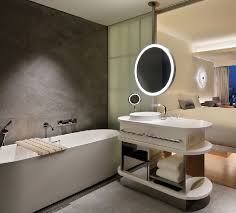
- Integrated bathroom vanities and washbasins.
- Decorative wall panels and partitions.
- Specially designed furniture components.
Architects can use these possibilities to create distinctive features while maintaining a coordinated appearance throughout a building.
2. Seamless Appearance and Minimalist Design
Minimalism is an important influence on contemporary architecture. Many modern projects emphasize clean lines, continuous surfaces, simple forms, and reduced visual clutter.
Solid surface materials support this approach through specialized joining techniques that create nearly invisible seams. Multiple sections can be connected to form continuous countertops, integrated sinks, and large decorative installations.
This characteristic provides several design advantages:
- Creates a smooth and uninterrupted appearance.
- Reduces visible joints between connected components.
- Supports integrated architectural features.
- Complements minimalist and contemporary interiors.
- Helps maintain consistency across larger spaces.
Seamless fabrication is particularly valuable in luxury residences, modern hotels, offices, and commercial reception areas.
3. Non-Porous Properties for Practical Applications
Modern buildings require materials that can handle everyday environmental conditions. In areas such as kitchens, bathrooms, and healthcare facilities, surfaces are frequently exposed to moisture, spills, and cleaning products.
Most solid surface materials feature a non-porous structure that limits liquid absorption. This characteristic helps reduce the likelihood of stains penetrating the material and makes routine cleaning more manageable.
Architects may therefore consider solid surface for bathroom countertops, washbasins, kitchen worktops, and selected commercial fixtures.
However, the performance of individual products can vary. Proper installation, suitable cleaning procedures, and compatibility with the intended application should always be evaluated.
4. Wide Range of Colors and Surface Designs
Architectural materials influence the visual identity of a building. Color, texture, and surface patterns all contribute to creating a particular atmosphere.
Solid surface materials are available in a wide selection of colors and finishes, allowing designers to coordinate them with different architectural styles.
Neutral and Natural Colors
White, beige, and light gray finishes are commonly used in minimalist residential and commercial interiors. They create a clean appearance and can complement wood, glass, and metal.
Marble-Inspired Patterns
Stone-inspired patterns provide decorative interest and can be incorporated into luxury bathrooms, kitchen countertops, and hospitality spaces.
Bold Contemporary Finishes
Darker shades and distinctive patterns can introduce contrast into architectural interiors. These finishes are often suitable for statement counters, retail displays, and modern furniture.
The availability of different designs allows architects to maintain visual consistency while accommodating the specific character of each project.
5. Durability and Repairability
Durability is an important consideration in architectural planning because building materials are expected to remain functional over extended periods.
Solid surface products can provide practical durability for many interior applications when selected and installed correctly. They are suitable for frequently used countertops, vanity tops, reception desks, and other interior features.
Another useful characteristic is repairability. Minor scratches and certain surface imperfections can often be addressed through sanding and refinishing, depending on the product formulation.
This can reduce the need for complete replacement when localized surface damage occurs.
Nevertheless, solid surface is not completely resistant to damage. Excessive heat, sharp objects, and heavy impacts can affect its appearance and performance.
6. Easy Maintenance for Residential and Commercial Buildings
Maintenance requirements influence the long-term practicality of architectural materials. Property owners generally prefer surfaces that can be cleaned without complicated procedures or specialized equipment.
Solid surface materials are generally straightforward to maintain. Their non-porous structure helps prevent many common liquids from being absorbed into the surface.
Routine maintenance usually involves:
- Cleaning with a soft cloth and mild detergent.
- Removing spills before residue accumulates.
- Avoiding unsuitable abrasive cleaning products.
- Using protective mats when placing hot objects nearby.
- Following manufacturer recommendations for stain removal.
These characteristics are useful in homes, offices, hotels, restaurants, and other buildings where regular surface cleaning is necessary.
7. Supporting Customized Bathroom Architecture
Bathrooms have become important architectural spaces where functionality and aesthetics are equally important. Designers increasingly incorporate customized vanities, integrated washbasins, bathtubs, and decorative wall installations.
Solid surface materials offer fabrication flexibility that supports these design requirements.
For example, integrated vanity tops can create a continuous appearance between the countertop and washbasin. Customized basin shapes can also help accommodate unusual room dimensions.
In larger residential developments and hospitality projects, coordinated solid surface elements can establish a consistent bathroom design across multiple units.
8. Applications in Commercial and Public Buildings
The popularity of solid surface is not limited to residential architecture. Its design flexibility and maintenance characteristics make it useful in various commercial environments.
Hotels and Hospitality Projects
Hotels often use solid surface for reception counters, bathroom vanities, bar areas, and decorative interior elements. Customized shapes and coordinated finishes can support a consistent guest experience.
Office Buildings
Modern offices can incorporate solid surface into reception desks, meeting room counters, washroom fixtures, and collaborative workspaces.
Healthcare Facilities
Hospitals and clinics require materials that support regular cleaning and appropriate hygiene practices. Non-porous surfaces and seamless fabrication can be useful for selected worktops and washbasins, provided the products meet the facility’s technical and regulatory requirements.
Retail and Shopping Centers
Shopping centers and retail stores often require distinctive counters, display fixtures, and service areas. Solid surface can be customized to match branding requirements and architectural themes.
9. Compatibility with Other Architectural Materials
Contemporary architecture frequently combines different materials to create depth, contrast, and visual balance. Solid surface can complement several commonly used interior materials.
Wood: Combining solid surface countertops with wooden cabinetry introduces warmth while maintaining a modern appearance.
Glass: Glass partitions and solid surface fixtures can help create open and visually connected interiors.
Metal: Stainless steel, chrome, and matte black details can provide contrast against smooth solid surface finishes.
Ceramic and Porcelain: Decorative tiles can be paired with solid surface vanity tops and countertops to create coordinated interior compositions.
This compatibility gives architects more freedom when developing material palettes for residential and commercial buildings.
10. Potential Contribution to Sustainable Building Practices
Sustainability has become an increasingly important consideration in modern architecture. Building professionals are paying greater attention to material lifespan, production efficiency, waste management, and the environmental impact of construction products.
Solid surface materials may support certain sustainability objectives through their repairability and potential for long-term use. Repairing minor surface damage can sometimes extend the service life of an installation and reduce replacement requirements.
However, environmental performance depends on the product’s composition, manufacturing process, transportation, and end-of-life options.
Architects should review available environmental certifications, material disclosures, and manufacturer documentation before including solid surface in projects with specific sustainability targets.
11. What Architects Should Consider Before Specifying Solid Surface
Although solid surface offers several advantages, it is important to evaluate whether the material is appropriate for the intended application.
Architects, contractors, and project managers should consider:
- Material composition: Determine whether the product uses acrylic, polyester, or blended resin systems.
- Performance requirements: Review heat resistance, scratch resistance, impact performance, and chemical compatibility.
- Fabrication capabilities: Confirm whether the material supports the required shapes, thicknesses, and dimensions.
- Installation conditions: Evaluate supporting structures, joining methods, and installation requirements.
- Maintenance expectations: Understand recommended cleaning procedures and available repair options.
- Manufacturer reliability: Review production capabilities, quality control procedures, technical documentation, and project support.
Evaluating these factors before construction begins can help prevent material selection problems and improve the overall project outcome.
12. Future Trends in Solid Surface Architecture
The role of solid surface materials in architecture is likely to continue evolving as fabrication technology and design expectations develop.
Several trends may influence future applications:
- Greater use of customized and curved architectural features.
- Increased demand for integrated sinks and multifunctional furniture.
- New colors, textures, and decorative surface patterns.
- More precise CNC fabrication and digital design integration.
- Greater attention to material efficiency and manufacturing waste.
- Increased use of coordinated surface materials in hospitality and commercial projects.
These developments reflect a broader architectural movement toward materials that combine design adaptability with practical performance.
Conclusion
Solid surface materials are becoming increasingly relevant in modern architecture because they offer a combination of design flexibility, seamless fabrication possibilities, non-porous construction, repairability, and attractive finishes. Their versatility allows architects and designers to incorporate them into residential kitchens, bathrooms, commercial reception areas, healthcare environments, and decorative architectural features.
Although they are not suitable for every application, solid surface materials can provide practical solutions when their technical characteristics match the project’s requirements. By considering material composition, manufacturing quality, installation methods, and maintenance needs, building professionals can make informed decisions and create functional, visually appealing architectural spaces.