
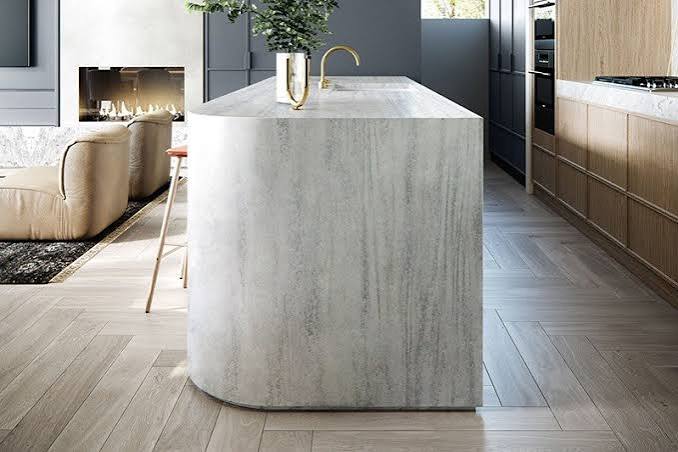
Choosing the right surface material is an important decision in residential and commercial interior projects. Countertops, bathroom vanities, washbasins, and decorative surfaces must meet practical requirements while contributing to the overall appearance of a space. Solid surface materials and natural stone are two options frequently considered by homeowners, architects, contractors, and interior designers.
Although both materials can create attractive interior features, they differ in composition, manufacturing, appearance, customization, maintenance, and installation requirements. Understanding these differences helps buyers select materials that match their budgets and project objectives. Exploring the characteristics of KKR Solid Surface alongside natural stone options provides a useful starting point for comparing these materials and identifying their most suitable applications.
What Is KKR Solid Surface?
Solid surface is a manufactured material commonly used for countertops, vanity tops, washbasins, reception desks, and decorative interior features. Depending on the formulation, it generally contains mineral fillers, resin binders, pigments, and other ingredients.
These components are processed under controlled manufacturing conditions to create a consistent material with specific physical and visual characteristics.
Solid surface products are available in different colors, patterns, and finishes. They can also be fabricated into various shapes and dimensions, depending on the material and manufacturing method.
This flexibility makes solid surface a practical option for projects that require coordinated surfaces or customized designs.
What Is Natural Stone?
Natural stone is a material extracted from geological formations and processed into slabs, tiles, and other construction products.
Common varieties used in interior design include:
- Granite: Known for its hardness and naturally varied patterns.
- Marble: Recognized for its distinctive veining and decorative appearance.
- Travertine: A natural stone with characteristic pores and earthy tones.
- Slate: Often selected for its layered texture and natural color variations.
- Quartzite: A natural stone valued for its distinctive appearance and hardness.
Because natural stone develops through geological processes, each slab may have unique patterns, colors, and mineral characteristics.
This natural variation is an important part of its appeal, although it can make matching multiple slabs more challenging.
KKR Solid Surface vs. Natural Stone: Key Differences
Both materials have useful applications, but their characteristics differ in several important areas.
1. Material Composition and Manufacturing
The most fundamental difference is how the materials are produced.
Solid surface is manufactured by combining selected ingredients through controlled production processes. This allows manufacturers to develop products with relatively consistent composition, color, and surface characteristics.
Natural stone is formed over long geological periods and extracted from quarries. Its appearance and physical properties depend on the minerals, geological conditions, and processing methods involved.
Main difference: Solid surface offers manufactured consistency, while natural stone provides naturally occurring characteristics and variations.
2. Appearance and Design Options
Appearance is often one of the first factors buyers consider when selecting an interior surface.
Solid Surface Appearance
Solid surface products are available in a wide range of manufactured colors and patterns.
Some designs have uniform finishes, while others imitate the appearance of marble or other natural materials. This variety helps designers coordinate countertops, basins, and other interior components.
Natural Stone Appearance
Natural stone offers patterns that develop naturally within the material.
Marble may feature distinctive veins, while granite can contain different mineral patterns and color variations. These characteristics give each slab a unique appearance.
Main difference: Solid surface offers more controlled visual consistency, while natural stone provides natural patterns that vary between slabs.
3. Customization and Fabrication Flexibility
Fabrication flexibility is especially important when projects require unusual dimensions or customized shapes.
Solid Surface Fabrication
Many solid surface products can be cut, shaped, and joined using specialized fabrication equipment.
Depending on the formulation, this can support:
- Curved countertop designs.
- Customized vanity tops.
- Integrated washbasins.
- Coordinated countertop sections.
- Seamless-looking surface connections.
This flexibility is useful for projects with specific design requirements.
Natural Stone Fabrication
Natural stone can also be cut and fabricated into different dimensions, edge profiles, and shapes.
However, its natural structure and physical characteristics influence the fabrication process. Some designs may require additional support, careful handling, and specialized equipment.
Main difference: Solid surface often provides greater flexibility for certain integrated and curved designs, while natural stone fabrication must account for the characteristics of each slab.
4. Surface Joints and Seam Appearance
Joints can influence the overall appearance of countertops and other large surface installations.
Certain solid surface products can be joined with specialized adhesives and fabrication methods to create visually continuous surfaces.
Natural stone installations usually require visible joints between separate slabs or sections. Skilled installers can minimize their appearance through careful matching and placement, but complete visual continuity may be difficult when patterns differ.
For large countertops or integrated vanity designs, buyers should review sample installations to understand how joints will appear.
5. Durability and Resistance to Everyday Use
Both materials can be suitable for long-term interior applications when selected and maintained correctly. However, their performance characteristics are different.
Solid Surface Performance
The durability of solid surface materials depends on their composition, thickness, finish, and manufacturing quality.
Some formulations allow minor scratches and surface imperfections to be repaired through appropriate refinishing methods. However, buyers should review product-specific information about impact, heat, and scratch resistance.
Natural Stone Performance
Natural stone performance varies considerably by stone type.
Granite and quartzite are generally hard materials, while marble can be more vulnerable to scratching and surface etching from acidic substances. Some stones also require sealing or other protective treatments.
Main difference: Solid surface performance depends on its manufactured formulation, while natural stone performance varies according to the specific stone and its natural characteristics.
6. Moisture and Stain Considerations
Moisture exposure is an important factor when choosing materials for kitchens and bathrooms.
Many solid surface products have relatively low-porosity characteristics, which can support their use in moisture-exposed interior applications. However, installation joints, edges, and plumbing connections still require proper attention.
Natural stone has different absorption characteristics depending on its type and finish. Some varieties may require sealing to help reduce moisture absorption and staining.
Buyers should always check the manufacturer’s or stone supplier’s recommendations before using either material in areas with frequent water exposure.
7. Cleaning and Maintenance Requirements
Maintenance requirements can influence the total cost and convenience of owning a surface material.
Maintaining Solid Surface
Routine cleaning generally involves using suitable cleaning products and following the manufacturer’s instructions.
Certain products may allow professional refinishing to improve the appearance of minor scratches or surface imperfections.
Maintaining Natural Stone
Natural stone may require cleaning products specifically designed for the selected stone type.
Some varieties need periodic sealing, while acidic cleaners can damage materials such as marble and limestone.
Main difference: Solid surface often offers straightforward routine cleaning, while some natural stones require additional protective treatments and material-specific care.
8. Weight and Installation Requirements
The weight of a surface material influences transportation, handling, supporting structures, and installation planning.
Natural stone slabs can be heavy, depending on the stone type, thickness, and dimensions. This may require stronger cabinetry or additional structural support.
Solid surface products also have weight considerations, but their specific requirements depend on the formulation, product thickness, and design.
Both materials should be installed according to technical recommendations. Accurate measurements, suitable supports, and professional workmanship are important for achieving a reliable result.
9. Cost and Overall Project Budget
Price is another major consideration when comparing solid surface and natural stone.
The cost of either option depends on several factors, including material grade, thickness, color, dimensions, fabrication complexity, transportation, and installation.
Solid surface products may provide different pricing options depending on their formulation and customization requirements.
Natural stone prices vary according to the type of stone, rarity, origin, slab quality, and finishing process. Premium marble and unusual granite varieties may involve higher material and installation costs.
Instead of comparing only the purchase price, buyers should consider the complete project budget, including maintenance and possible repairs.
10. Environmental Considerations
Environmental performance depends on how materials are sourced, manufactured, transported, installed, and maintained.
Natural stone requires quarrying, cutting, and transportation. Its environmental impact can vary depending on extraction practices and the distance between the quarry and project location.
Solid surface manufacturing involves processed ingredients and energy-consuming production stages. Its environmental characteristics depend on the formulation, manufacturing efficiency, recycled content, and production practices.
Buyers interested in sustainability should request verified environmental information rather than assuming one material is automatically more environmentally friendly than the other.
Comparison Table: Solid Surface vs. Natural Stone
| Comparison factor | Solid surface | Natural stone |
|---|---|---|
| Composition | Manufactured mixture | Naturally formed geological material |
| Appearance | Controlled colors and patterns | Naturally occurring variations |
| Customization | Flexible for selected shapes and designs | Fabricated according to stone characteristics |
| Seam appearance | Can support seamless-looking joints | Usually has visible slab joints |
| Durability | Depends on formulation and thickness | Depends on stone type |
| Scratch resistance | Varies by product | Varies by stone |
| Heat resistance | Product-specific | Generally varies by stone type |
| Moisture performance | Often relatively low porosity | Depends on absorption characteristics |
| Maintenance | Usually routine product-specific cleaning | May require sealing and specialized cleaners |
| Repair options | Some surfaces can be refinished | Repair methods depend on stone and damage |
| Natural variation | Generally more controlled | Unique patterns and mineral variations |
Where Is Each Material Commonly Used?
Both materials have applications across residential and commercial interiors, but their characteristics may make one more suitable than the other for certain projects.
Common Solid Surface Applications
Solid surface materials are frequently considered for:
- Bathroom vanity tops.
- Integrated washbasins.
- Kitchen countertops.
- Reception desks.
- Hotel bathroom surfaces.
- Commercial restroom counters.
- Decorative wall panels.
- Customized interior features.
Their fabrication flexibility can be especially useful for projects requiring coordinated components or specific shapes.
Common Natural Stone Applications
Natural stone is often selected for:
- Premium kitchen countertops.
- Bathroom vanity tops.
- Flooring.
- Wall cladding.
- Fireplace surrounds.
- Decorative feature walls.
- Staircases and architectural details.
Its distinctive natural patterns make it attractive for interiors where individual material character is an important design priority.
How to Choose Between KKR Solid Surface and Natural Stone
The right material depends on the project’s functional requirements, design preferences, and budget.
Consider these factors before making a decision:
- Project location: Identify whether the material will be installed in a kitchen, bathroom, reception area, or another interior space.
- Design preference: Decide whether you prefer consistent manufactured patterns or naturally occurring stone variations.
- Customization needs: Consider whether the project requires integrated basins, curved edges, or customized dimensions.
- Maintenance expectations: Review cleaning, sealing, and repair requirements.
- Performance specifications: Compare heat, scratch, moisture, and impact characteristics for the exact products being considered.
- Installation requirements: Evaluate material weight, supporting structures, fabrication, and fitting procedures.
- Total cost: Include material, transportation, fabrication, installation, and long-term maintenance expenses.
Requesting samples and technical documentation can help buyers make a more informed comparison.
Conclusion
KKR Solid Surface and natural stone offer different advantages for modern interior projects. Solid surface materials provide manufactured consistency, a variety of finishes, and flexible fabrication possibilities. Natural stone offers distinctive geological patterns, individual slab characteristics, and a traditional appeal that many designers value.
Neither material is automatically the best choice for every application. The decision should depend on the intended use, design requirements, maintenance expectations, technical performance, and overall budget. By understanding these differences, homeowners, architects, and contractors can select a surface material that meets the practical and aesthetic needs of their projects.