
Choosing bathroom fixtures for a rental property requires a different approach from selecting them for a personal home. Landlords need to consider tenant comfort, purchase costs, durability, cleaning requirements, and future repairs. A fixture that looks attractive at first may become an ongoing expense when it develops stains, leaks, or surface damage after regular use.
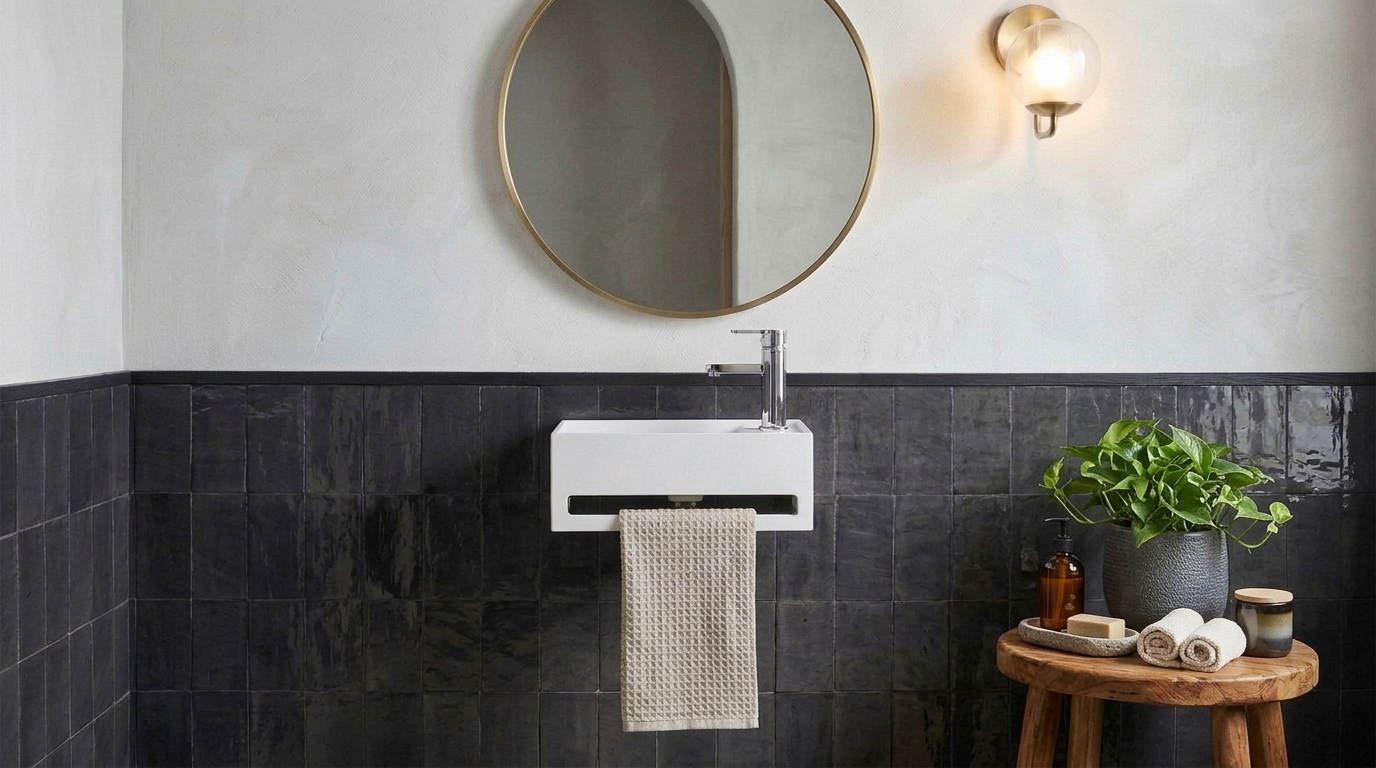
A Small basin for toilet can be a suitable option for rental bathrooms where space is limited or the existing layout cannot accommodate a full-size washbasin. It provides a dedicated handwashing area without taking up too much room. The key is to select a model that remains practical for different tenants and does not require frequent maintenance.
Start With the Bathroom Layout
Before comparing basin designs, assess the available space. Rental properties often have compact bathrooms where the toilet, shower, door, and washbasin share a limited floor area. Installing an oversized fixture can make movement difficult and reduce the room’s overall usability.
Measure the available wall width and the distance between the proposed basin position and nearby fixtures. Pay attention to door movement and the space required for standing in front of the basin.
The basin’s projection also matters. A model that extends too far into the room may obstruct access to the toilet or shower. A shallower design can help maintain comfortable movement in a narrow bathroom.
Consider the Type of Rental Property
The expected use of the property can influence the selection.
- Apartments: Compact basins work well in small guest bathrooms and en-suite facilities.
- Family rental homes: A slightly deeper bowl may provide better everyday convenience for several occupants.
- Student accommodation: Simple designs with durable surfaces can reduce maintenance demands.
- Short-term rentals: Appearance and easy cleaning matter because different guests may use the bathroom throughout the year.
- Shared rental properties: The basin should offer enough space for regular use without making the bathroom feel crowded.
A landlord should consider the likely tenants and the property’s rental category before settling on a particular size.
Choose a Material That Handles Everyday Use
Tenants may have different cleaning habits and bathroom routines. A rental property therefore needs fixtures that can handle regular use without requiring special care.
The basin material affects its resistance to stains, scratches, moisture, and cleaning products. It also influences how easily the fixture can be repaired or replaced.
Ceramic Basins
Ceramic remains a common choice for residential rental bathrooms. Its smooth surface is easy to wipe down and generally handles ordinary bathroom use well.
It also suits different interior styles, making it a practical option for landlords who want a neutral design that appeals to a wide range of tenants. However, ceramic can chip or crack after a strong impact, so careful handling during installation remains important.
Solid Surface Basins
Solid surface offers more flexibility in shape and appearance. It can support contemporary designs and smooth forms that work well in compact spaces.
Some solid surface products also allow surface repairs when minor scratches occur. Landlords should check the manufacturer’s maintenance instructions and repair guidance before purchasing.
Compare Long-Term Maintenance Needs
The lowest-priced basin may not offer the best value over several rental cycles. Consider how much effort the material requires to keep clean and how easily a damaged fixture can be repaired.
A useful comparison should include:
- Expected resistance to everyday wear
- Compatibility with common bathroom cleaners
- Availability of replacement models
- Repair options for minor surface damage
- Cleaning requirements and long-term appearance
These details help landlords avoid choosing a fixture based on purchase price alone.
Select a Design That Is Easy to Maintain
A rental bathroom needs a basin that tenants can clean without special tools or complicated instructions. Decorative edges, narrow grooves, and difficult-to-reach corners may collect soap residue and dirt.
Simple bowl shapes generally make routine cleaning easier. Smooth inner surfaces also help prevent residue from building up around the washing area.
Pay attention to the area where the basin meets the wall or countertop. Poorly sealed gaps can collect moisture and dirt. Over time, this may lead to staining, mold growth, or damage to nearby surfaces.
A straightforward design with accessible plumbing connections can also reduce the time required for maintenance visits.
Decide Between Wall-Mounted and Countertop Designs
The installation style affects how much space the basin uses and how easily maintenance teams can reach its connections.
Wall-Mounted Basins for Compact Bathrooms
Wall-mounted models attach directly to a supporting wall. They leave the floor area underneath open and work well in narrow rental bathrooms.
This arrangement makes floor cleaning easier and avoids the need for a large vanity cabinet. It can also create a less crowded appearance in bathrooms with limited space.
However, the wall must provide enough support for the basin and its expected load. The installer also needs to plan the water supply and drainage connections carefully.
Countertop Basins for a Finished Appearance
Countertop basins sit on a vanity or worktop. They can provide a more complete bathroom arrangement and may offer storage space underneath.
This option suits rental properties with enough room for a vanity unit. The countertop also provides a place for basic toiletries, which may improve convenience for tenants.
The main consideration is the additional cleaning required around the basin’s base. Proper sealing helps prevent water from collecting between the bowl and the counter.
Check Faucet Compatibility Before Buying
A basin and faucet need to work together. Choosing them separately without checking their dimensions can result in poor water flow or unnecessary splashing.
The faucet outlet should reach far enough into the bowl to allow comfortable handwashing. A tap that sits too close to the back edge may direct water against the basin wall. A high faucet above a shallow bowl may cause water to splash onto the surrounding surface.
Landlords should check the following details:
- Faucet mounting position
- Tap height and spout reach
- Number and location of tap holes
- Water pressure requirements
- Compatibility with the basin’s depth and shape
A simple single-hole faucet may be easier to install and maintain in many rental bathrooms. Standard fittings can also make future replacements more convenient.
Pay Attention to Plumbing and Installation Costs
A new basin should work with the existing plumbing wherever possible. Moving water supply pipes or drainage outlets can increase renovation costs and extend the time needed to prepare the property for tenants.
Before purchasing, inspect the position of the existing waste pipe and water connections. Confirm that the basin outlet aligns with the drainage arrangement or that suitable fittings are available.
The installer should also check the trap, shutoff valves, and pipe connections. Accessible shutoff valves make it easier to isolate the water supply during repairs without affecting other bathroom fixtures.
For older rental properties, it may be worth checking the condition of the existing pipes before installing a new basin. Replacing worn connections during renovation can help prevent leaks after the bathroom returns to regular use.
Think About Replacement and Repair Availability
Rental properties need fixtures that landlords can maintain without long delays. A basin with unusual dimensions or uncommon fittings may become difficult to replace when damage occurs.
Standard connection sizes and readily available replacement parts make future repairs easier. It is also useful to keep the product details and installation measurements for reference.
When comparing suppliers, landlords can review product dimensions, material specifications, warranty terms, and after-sales support. For example, kingkonree provides basin options that can be considered when comparing compact bathroom fixtures for residential projects.
Avoid choosing a model based only on its appearance. A practical fixture should remain suitable for the property’s layout and maintenance arrangements over time.
Balance Tenant Comfort With Your Budget
A rental bathroom should be functional and comfortable without requiring unnecessary spending. Saving money on the initial purchase can become expensive when the basin needs frequent repairs or creates cleaning problems.
A good selection process considers the total cost of ownership. This includes the purchase price, installation, routine cleaning, possible repairs, and eventual replacement.
There are several ways to keep the project within budget:
- Retain existing plumbing positions where practical.
- Choose a material that suits the expected level of use.
- Compare complete basin dimensions rather than relying on product photographs.
- Select standard faucet and drainage connections.
- Avoid decorative features that add cleaning work without improving usability.
The right balance depends on the property’s rental value and expected occupancy. A premium rental may benefit from a more refined design, whereas a basic apartment may need a simple and durable fixture.
Common Mistakes Landlords Should Avoid
Some basin selection problems only become noticeable after tenants move in. Reviewing a few common mistakes before installation can prevent unnecessary expenses.
Choosing the Smallest Available Size
A very small basin may save space but leave insufficient room for handwashing. Water can splash onto the floor, and tenants may find the fixture uncomfortable to use.
Always compare bowl depth, width, and faucet position before deciding.
Ignoring the Cleaning Routine
A complicated basin shape may require more attention than a simple model. This can create extra work during tenant turnover or routine property maintenance.
Overlooking Installation Support
A wall-mounted basin needs secure fixing points and suitable wall support. Skipping this check can lead to loose fittings or damage after regular use.
Forgetting Tenant Accessibility
The basin should be comfortable for the people expected to use the property. Consider mounting height, approach space, and any accessibility requirements that apply to the rental.
Focusing Only on Appearance
A stylish fixture may not suit a bathroom with heavy daily use. Durability, cleaning access, and plumbing compatibility deserve equal attention.
Final Thoughts
Selecting a basin for a rental property involves more than finding a fixture that fits a small bathroom. Landlords need to consider tenant comfort, material quality, installation requirements, cleaning routines, and future repair costs.
A well-chosen compact basin makes better use of available space without making everyday handwashing inconvenient. By checking dimensions, choosing practical materials, and confirming plumbing compatibility before purchase, property owners can create a bathroom that remains functional and manageable between tenancies.