
Efficient checkout operations are essential for businesses that want to provide excellent customer service and maintain accurate financial records. Whether it’s a retail store, restaurant, supermarket, or convenience shop, having the right point-of-sale equipment helps streamline transactions while supporting everyday business activities. One of the most important tools in modern commerce is the POS till.
Businesses seeking to improve their daily operations often invest in a POS Till because it offers much more than basic payment processing. Modern POS tills integrate sales transactions, inventory management, reporting, and customer information into one centralized system, helping businesses operate more efficiently and make informed decisions.
What Is a POS Till?
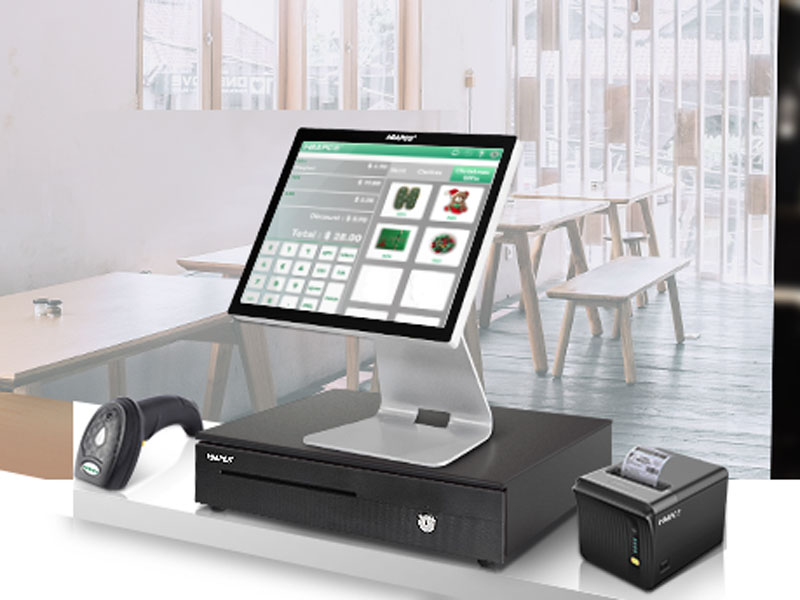
A POS till is a point-of-sale system that allows businesses to process customer purchases while managing various operational tasks. Unlike a traditional cash register, a POS till combines hardware and software to handle payments, monitor inventory, generate reports, and maintain transaction records.
It serves as the central hub for checkout operations, making it easier for businesses to manage sales accurately and efficiently.
How Does a POS Till Work?
A POS till follows a simple process during every customer transaction.
- Products are scanned or selected from the system.
- The software calculates the total amount, including taxes and discounts.
- The customer chooses a preferred payment method.
- The payment is processed securely.
- A receipt is printed or sent digitally.
- Inventory records are updated automatically.
- Sales data is stored for reporting and analysis.
This automated workflow helps reduce manual errors while speeding up the checkout process.
Key Components of a POS Till
A modern POS till typically includes several essential components:
- Touchscreen terminal or computer.
- Barcode scanner.
- Receipt printer.
- Cash drawer.
- Card payment terminal.
- POS software.
- Customer display.
Together, these components create a complete checkout solution for businesses of different sizes.
Why Is a POS Till Important?
A POS till plays an important role in improving business efficiency by automating many daily tasks. Instead of relying on manual calculations and handwritten records, businesses can process transactions accurately while maintaining organized business data.
The system also provides valuable insights that support better decision-making and operational planning.
Benefits of Using a POS Till
Modern POS tills offer a wide range of advantages for businesses.
Some of the key benefits include:
- Faster checkout times.
- Improved inventory accuracy.
- Reduced manual errors.
- Better sales reporting.
- Enhanced customer service.
- Easier employee management.
- Real-time business insights.
These benefits help businesses improve productivity while creating a better shopping experience for customers.
Inventory Management
One of the most valuable features of a POS till is automatic inventory management. Every completed sale updates stock levels immediately, allowing businesses to monitor inventory in real time.
This helps reduce stock shortages, prevent overstocking, and improve purchasing decisions.
Sales Reporting and Analytics
A POS till records every transaction and generates detailed reports that help business owners monitor performance.
Reports often include:
- Daily and monthly sales.
- Revenue trends.
- Best-selling products.
- Employee performance.
- Inventory movement.
- Customer purchasing patterns.
Access to accurate data allows managers to make informed decisions that support business growth.
Businesses That Use POS Tills
POS tills are widely used across many industries because they can be customized for different operational needs.
Common users include:
- Retail stores.
- Supermarkets.
- Restaurants.
- Cafés.
- Pharmacies.
- Clothing stores.
- Electronics retailers.
- Service-based businesses.
Each business can configure the system according to its unique workflow and customer requirements.
Conclusion
A POS till is much more than a payment-processing device. It is a complete business management solution that combines sales processing, inventory control, reporting, and customer management into one efficient platform. By improving transaction accuracy, reducing manual work, and providing valuable business insights, a POS till helps businesses operate more efficiently while delivering a better customer experience. As businesses continue to embrace digital technology, investing in a reliable POS till remains an important step toward long-term operational success.