
Effective inventory management is one of the most important aspects of running a successful retail business. Keeping track of stock manually can be time-consuming and often leads to errors, overstocking, or product shortages. Modern point-of-sale technology simplifies this process by automating inventory updates and providing real-time visibility into stock levels, helping retailers make better business decisions.
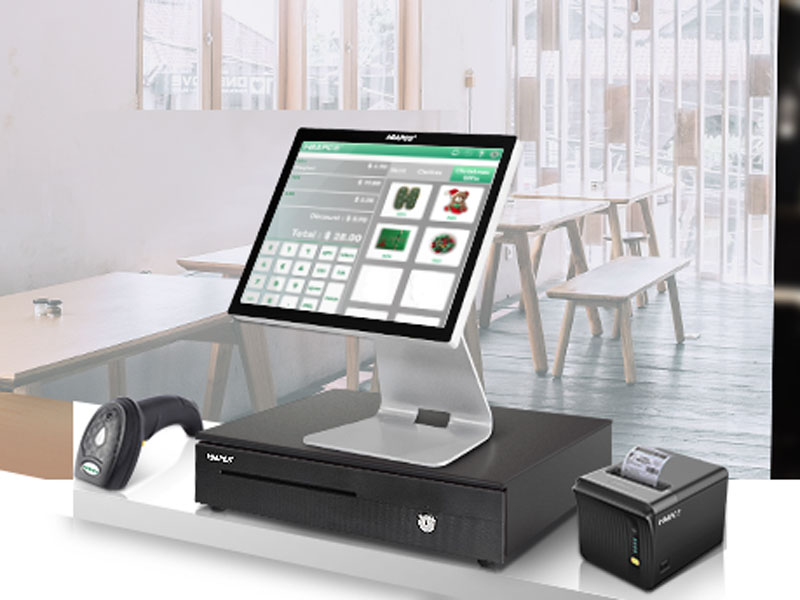
A modern POS solution combines sales processing with intelligent inventory tracking to improve accuracy and efficiency. Using a reliable Retail POS System Cash Register allows retailers to monitor stock in real time, generate inventory reports, automate product tracking, and reduce manual recordkeeping, making daily operations more organized and productive.
Real-Time Inventory Tracking
One of the greatest advantages of a retail POS system is its ability to update inventory automatically after every transaction. As soon as a product is sold, the system adjusts stock levels without requiring manual input.
Real-time tracking helps retailers:
- Monitor current inventory levels
- Prevent overselling
- Reduce stock discrepancies
- Improve inventory accuracy
This ensures that inventory records remain up to date throughout the business day.
Automated Stock Updates
Manual inventory updates can consume valuable time and increase the risk of errors. A retail POS system automates this process, reducing administrative work while improving efficiency.
Automatic updates also help maintain consistent inventory records across all sales channels and business locations.
Low-Stock Alerts
Running out of popular products can negatively affect customer satisfaction and sales. Modern POS systems monitor inventory continuously and notify managers when stock levels fall below a predetermined threshold.
Benefits of low-stock alerts include:
- Timely product reordering
- Reduced stock shortages
- Improved inventory planning
- Better product availability
These notifications help businesses respond quickly to changing inventory needs.
Accurate Product Tracking
Retail businesses often manage hundreds or thousands of products. A POS system organizes inventory using product categories, barcodes, and stock records that make tracking much more efficient.
Accurate product tracking supports:
- Faster stock searches
- Better inventory organization
- Reduced counting errors
- Improved warehouse management
Organized inventory simplifies daily operations and enhances overall productivity.
Inventory Reporting and Analysis
Detailed inventory reports help retailers understand product performance and purchasing trends. Modern POS systems automatically generate reports that provide valuable business insights.
Useful inventory reports include:
- Stock movement summaries
- Best-selling products
- Slow-moving inventory
- Inventory valuation
- Restocking recommendations
These reports enable managers to make informed purchasing and pricing decisions.
Better Demand Forecasting
Historical sales data collected by a POS system helps retailers anticipate future product demand. Understanding purchasing trends allows businesses to prepare for seasonal changes and promotional events.
Demand forecasting helps:
- Prevent overstocking
- Reduce stock shortages
- Improve purchasing efficiency
- Optimize inventory investment
Accurate forecasts contribute to healthier inventory levels and better financial performance.
Multi-Location Inventory Control
Retailers operating multiple stores benefit from centralized inventory management. A modern POS system synchronizes stock information across all locations, providing a complete view of available inventory.
Managers can easily monitor stock, transfer products between stores, and compare inventory performance across different branches.
Reduced Human Error
Manual inventory management often leads to mistakes such as incorrect stock counts or duplicate entries. Automated POS systems reduce these errors by recording every transaction accurately and updating inventory instantly.
Improved accuracy benefits businesses through:
- Reliable stock records
- Fewer pricing mistakes
- Easier inventory audits
- Better operational efficiency
Automation helps create more dependable inventory management processes.
Integration with Business Systems
Many retail POS systems integrate with accounting software, e-commerce platforms, and warehouse management systems. These integrations keep inventory data synchronized across multiple business functions.
Seamless integration reduces duplicate data entry and improves overall workflow efficiency.
Conclusion
A retail POS system cash register plays a vital role in improving inventory management by automating stock tracking, generating detailed reports, providing low-stock alerts, and reducing manual errors. With real-time inventory updates and valuable business insights, retailers can make better purchasing decisions, maintain accurate stock levels, and improve operational efficiency. Investing in a modern POS solution helps businesses manage inventory more effectively while supporting long-term growth and customer satisfaction.