
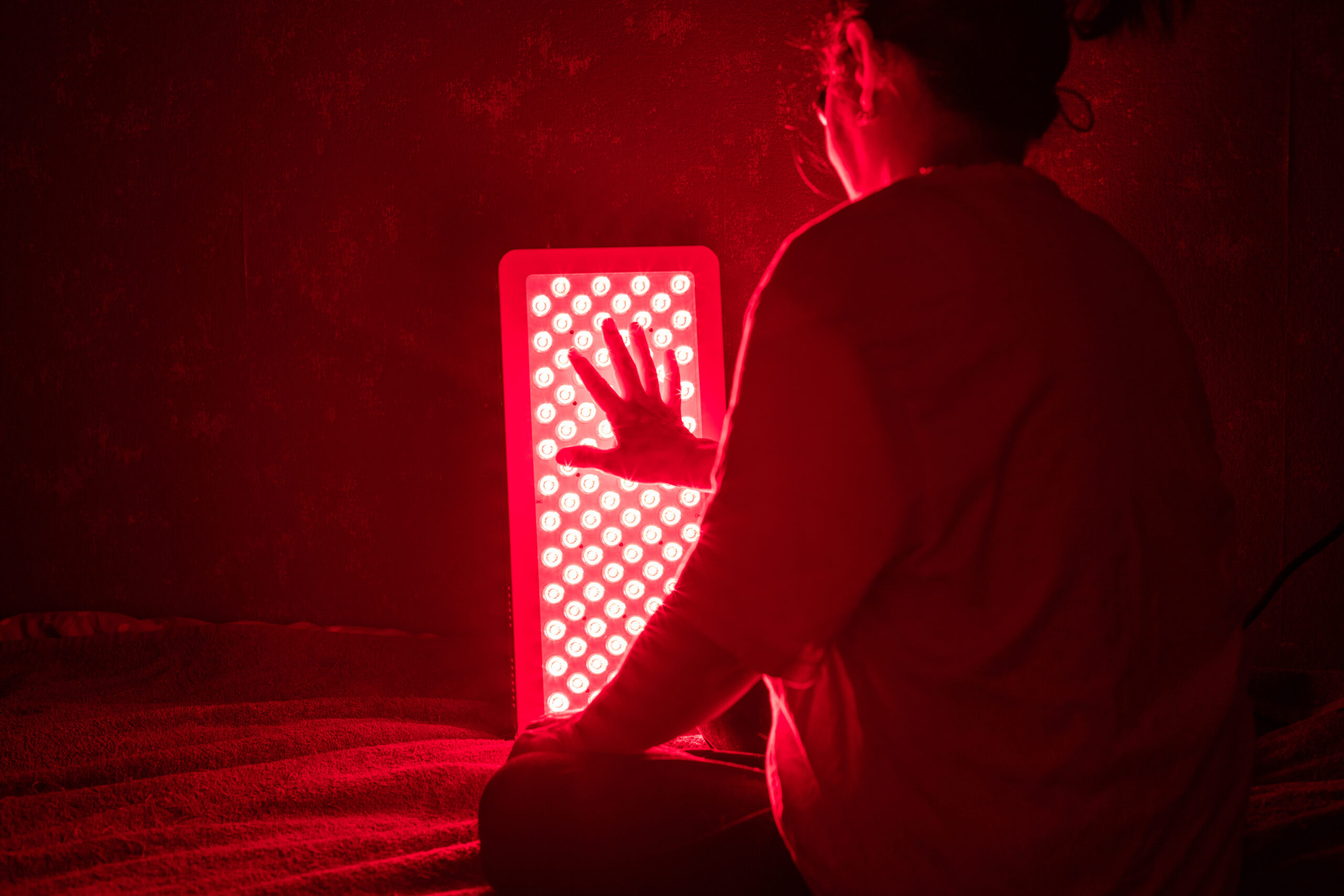
Red light therapy has become a widely adopted wellness technology used for recovery, skin health, and performance support. As devices become more advanced, users are increasingly interested in how the underlying technology works and what factors influence performance. Understanding these elements helps in selecting a device that delivers consistent and reliable results.
A modern red led panel light is built using precision LED engineering designed to emit specific wavelengths of red and near-infrared light, making it suitable for targeted wellness applications rather than general illumination.
Understanding Red LED Panel Light Technology
Red LED panel systems use arrays of light-emitting diodes to produce controlled wavelengths of light. These wavelengths are typically in the red and near-infrared spectrum, which are commonly associated with supporting cellular energy processes.
Unlike standard lighting systems, these panels are engineered for focused exposure rather than room-wide illumination. This design allows for concentrated light delivery to specific areas of the body.
Core Technology Behind Performance
The effectiveness of a red LED panel light depends on several interconnected technical components. Each plays a role in determining how efficiently light is produced and delivered.
LED Wavelength Precision
Wavelength accuracy is one of the most important factors in performance. Red light therapy systems are designed to emit specific wavelengths that remain consistent across all LEDs in the panel.
Key aspects include:
- Stable red wavelength output
- Optional near-infrared integration
- Minimal deviation between individual LEDs
Consistent wavelength delivery ensures uniform exposure during each session.
Irradiance and Energy Output
Irradiance refers to the amount of light energy delivered to a specific area. It is a key performance indicator for red LED panels.
Higher irradiance levels typically allow:
- Shorter treatment durations
- More efficient energy delivery
- Improved exposure consistency across larger areas
However, optimal performance requires a balance between intensity and comfort.
LED Density and Arrangement
The physical layout of LEDs within the panel significantly affects how evenly light is distributed.
Important design factors include:
- Even spacing between LEDs
- High-density configurations for uniform coverage
- Multi-angle positioning to reduce shadowing
Proper LED arrangement ensures that all treated areas receive consistent light exposure.
Heat Management and Thermal Control
Heat generation is a natural byproduct of LED operation. Effective thermal management is essential for maintaining stable performance and extending device lifespan.
Common cooling methods include:
- Aluminum heat sinks for passive cooling
- Ventilation channels for airflow
- Heat-resistant internal materials
Efficient heat control helps maintain consistent output during extended use.
Power Supply Stability
A stable power system ensures that the device delivers consistent light intensity throughout each session. Fluctuations in power can affect performance and reduce treatment reliability.
Key features include:
- Regulated current drivers
- Surge protection systems
- Stable voltage distribution across LED arrays
These systems help maintain uniform light output.
Panel Design and Coverage Area
The physical size of a red LED panel light directly influences coverage and efficiency. Larger panels allow users to treat more surface area at once, reducing overall session time.
Design considerations include:
- Full-body vs targeted treatment coverage
- Frame durability and structural balance
- Mounting flexibility and positioning options
User-Controlled Performance Features
Modern red LED panels often include adjustable settings that allow users to customize their experience.
Common controls include:
- Timer settings for session management
- Intensity adjustment levels
- Red and near-infrared mode selection
- Remote or digital interfaces
These features enhance usability and personalization.
Factors That Influence Real-World Performance
Beyond technical specifications, real-world performance depends on how the device is used.
Key usage factors include:
- Distance between the user and the panel
- Duration of exposure per session
- Frequency of use
- Target treatment area
Proper usage ensures more consistent and effective results.
Efficiency and Energy Consumption
Energy efficiency is an increasingly important factor in modern LED panel design. Advanced systems are designed to maximize light output while minimizing power consumption.
Benefits include:
- Lower energy usage
- Reduced heat generation
- Longer component lifespan
Conclusion
The performance of a red LED panel light depends on a combination of wavelength precision, irradiance, LED arrangement, thermal control, and stable power delivery. Each of these factors contributes to how effectively the device delivers consistent and reliable light exposure.
By understanding the underlying technology and performance variables, users can make more informed decisions when selecting a system that fits their wellness and recovery needs. A well-designed red led panel light provides a balanced combination of efficiency, safety, and usability for both home and professional applications.