
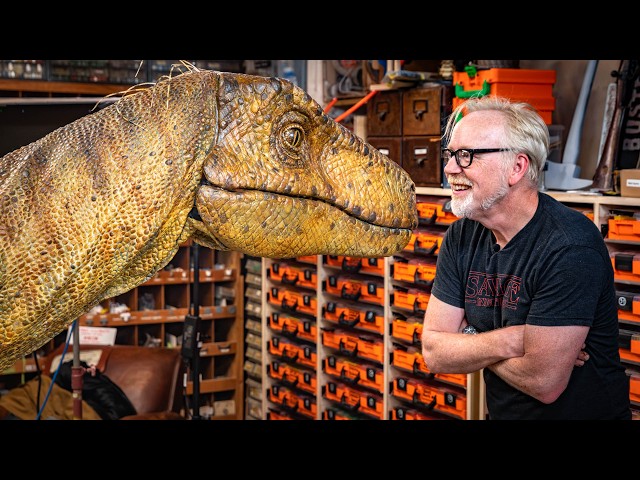
Raptor dinosaur costumes are popular in themed entertainment, school performances, promotional events, festivals, and live shows. Inspired by the agile, distinctive appearance of prehistoric predators, these costumes allow performers to bring an exciting dinosaur character into real-world settings. Their appeal comes from a combination of recognizable anatomy, expressive movement, textured surfaces, and theatrical presentation.
Creating a convincing raptor character requires more than adding claws and teeth to a costume. Designers must consider body proportions, head shape, tail structure, materials, performer mobility, and practical safety requirements. A carefully developed Raptor Dinosaur Costume balances visual realism with comfort and movement, allowing performers to entertain audiences while maintaining control and confidence throughout an appearance.
1. Recognizable Raptor Anatomy and Body Shape
The overall silhouette is one of the first features audiences notice. A convincing raptor costume should communicate the animal’s distinctive body structure through its head, neck, torso, limbs, and tail.
Important anatomical design elements include:
- A relatively narrow head with an elongated snout
- Forward-facing eyes that create an alert expression
- Strong-looking hind limbs
- Shorter forelimbs with clearly defined claws
- A long tail that balances the overall silhouette
- A body posture suggesting agility and forward movement
Designers should also consider which dinosaur species inspires the costume. The popular entertainment image of a Velociraptor is often much larger than the actual animal. For a scientifically informed design, it is useful to distinguish between Velociraptor and larger dromaeosaurids, such as Deinonychus.
A consistent anatomical reference helps create a recognizable character without relying entirely on exaggerated features.
2. Detailed Head and Facial Design
The head is often the most expressive part of a raptor costume. Its shape, eyes, mouth, and teeth determine whether the character appears friendly, curious, intimidating, or realistic.
A well-designed headpiece may include:
- A sculpted skull shape
- Defined nostrils and facial contours
- Carefully positioned eyes
- Textured skin around the jaw
- Realistic-looking teeth
- A movable or flexible jaw, depending on the design
The eyes are particularly important because they help communicate the character’s personality. Their shape, position, and surrounding details can make a raptor appear alert and focused.
Some professional costumes incorporate mechanical or manually operated jaw movement. These features can make performances more expressive, but they should be designed so that they do not restrict the wearer’s breathing, visibility, or ability to remove the costume quickly.
3. Textured Skin and Surface Finishing
Surface texture helps transform a simple costume into a convincing prehistoric character. A completely smooth exterior may look artificial, while carefully applied patterns and raised details can create greater visual depth.
Designers may use materials and finishing techniques to reproduce:
- Small scale-like patterns
- Skin folds around joints
- Raised details along the head and neck
- Textured areas around the claws and feet
- Subtle color variations
- Darker shading around recessed areas
The finish should remain consistent with the costume’s intended style. A highly realistic performance character may require carefully layered textures, while a cartoon-inspired design may use smoother surfaces and brighter colors.
Color selection also influences the final appearance. Earthy browns, muted greens, charcoal tones, and carefully blended patterns can create a naturalistic effect. Since the exact colors of many non-avian dinosaurs are uncertain, designers should treat specific color schemes as artistic interpretations rather than established scientific facts.
4. Designing the Signature Raptor Tail
The tail is an essential part of the raptor silhouette. It gives the costume a distinctive profile and can help communicate the creature’s movement and balance.
A costume tail may be constructed using lightweight foam, fabric, flexible internal supports, or other suitable materials. The design should allow the performer to move without the tail becoming difficult to control.
Important considerations include:
- Appropriate length and proportions
- Lightweight construction
- Secure attachment to the costume
- Flexibility during walking and turning
- Protection against snagging or accidental contact
- Balanced weight distribution
Some designs use a manually controlled tail, while others rely on flexible movement as the performer walks. The best option depends on the costume’s complexity and intended performance.
A tail that is too heavy or poorly balanced can make walking difficult. For this reason, its weight and attachment system should be tested during costume fitting.
5. Claws, Feet, and Limb Details
Raptor claws and feet are among the most recognizable features of these prehistoric characters. Their shape and placement can help distinguish the costume from other dinosaur designs.
The hind feet should communicate a powerful, agile animal while remaining practical for the performer. Designers may use molded shoe covers, padded feet, or specially shaped footwear components.
The forelimbs can feature curved claws and defined joints. These details should be visually impressive without creating sharp edges that could injure visitors or damage nearby objects.
A convincing design should also account for the famous enlarged sickle-shaped claw associated with certain dromaeosaurids. This feature should be represented carefully, with the costume’s proportions reflecting the intended species or artistic interpretation.
6. Lightweight Materials for Performer Comfort
Costume materials influence appearance, durability, mobility, and comfort. Since performers may wear raptor costumes for extended periods, lightweight construction is especially important.
Common material choices include:
| Material | Characteristics | Possible applications |
|---|---|---|
| EVA foam | Lightweight, shapeable, and useful for decorative details | Claws, armor-like features, and shaped components |
| Upholstery foam | Soft and adaptable | Padding and body shaping |
| Polyester fabric | Available in different colors and textures | Outer coverings and flexible costume sections |
| Thermoplastic materials | Can be shaped into structured components | Head details and selected costume parts |
| Silicone | Supports detailed skin-like textures | Specialized facial and surface elements |
| Lightweight plastic | Can provide a defined shape | Decorative structures and selected accessories |
Material selection should consider the intended performance environment. A costume used outdoors may need additional protection against sunlight and moisture, while one intended for indoor stage work may prioritize flexibility and detailed finishing.
Designers should also make sure that all materials are appropriate for costume use and do not create unnecessary heat or weight.
7. Movement and Performance Flexibility
A raptor costume should support the movements needed to portray an agile prehistoric character. Even a detailed costume may look unconvincing if the performer cannot walk, turn, or gesture naturally.
Useful movement capabilities include:
- Controlled walking and turning
- Head tilting and nodding
- Forelimb gestures
- Flexible tail movement
- Bending and crouching where the design allows
- Expressive body positioning
The performer should practice the intended movements before appearing in front of an audience. This is particularly important when the costume includes a large headpiece, restricted viewing areas, or a long tail.
Some professional designs incorporate mechanical features to move the head, jaw, or eyes. These additions can improve character expression but should not compromise the performer’s mobility or safety.
8. Creating Realistic Walking and Running Effects
The way a raptor costume moves can have a significant influence on audience perception. Performers often use controlled steps, body positioning, and head movements to create the impression of an alert, agile creature.
However, costumes can change a person’s balance and field of vision. Running or making sudden movements may therefore be unsuitable, particularly in crowded spaces.
For safe and convincing performances, designers and performers should consider:
- Secure footwear and adequate grip
- Clear visibility around the costume
- Sufficient space for the tail
- Controlled turning movements
- Stable weight distribution
- Suitable practice and rehearsal time
For large or restricted-visibility costumes, a trained assistant can help guide the performer through crowded environments.
9. Ventilation and Visibility
A comfortable internal environment is essential for any full-body costume. Raptor designs may include large heads, padded body sections, and enclosed fabric coverings that can trap heat.
Poor ventilation can make extended performances uncomfortable, particularly during outdoor events or warm weather.
Useful design features include:
- Breathable internal materials
- Ventilation openings in appropriate locations
- Lightweight padding
- Clear viewing panels or mesh
- Adjustable internal supports
- Easy access for removal
Visibility should never be sacrificed for exterior appearance. The performer must be able to identify nearby people, obstacles, and changes in floor level.
Costume users should also take regular breaks, drink water, and avoid prolonged performances in excessive heat.
10. Adding Sound and Mechanical Features
Some raptor costumes include sound or mechanical effects to make the character more engaging. These features may be useful for theme parks, theatrical productions, promotional events, and interactive performances.
Possible additions include:
- Pre-recorded roars and growls
- Small internal speakers
- Jaw movement mechanisms
- Moving eyes or eyelids
- Flexible head and neck components
- Simple electronic control systems
Sound effects can be triggered manually or coordinated with a performance sequence. For example, a performer may turn toward the audience before activating a growl.
Mechanical additions should be selected according to the intended use. Every extra component can add weight, require power, and increase maintenance needs. Reliable controls and safe electrical installation are therefore important.
11. Choosing a Raptor Costume for Different Events
The right costume depends on the event’s audience, setting, duration, and performance style.
| Event type | Suitable costume characteristics | Main priorities |
|---|---|---|
| School events | Friendly appearance and manageable size | Comfort and educational value |
| Birthday parties | Expressive design and interactive movement | Audience engagement |
| Theme parks | Detailed appearance and durable construction | Repeated use and maintenance |
| Shopping centers | Visually recognizable character | Safe interaction in crowded spaces |
| Stage shows | Strong silhouette and expressive features | Performance movement and visibility |
| Promotional events | Distinctive design and easy transportation | Brand presentation and reliability |
| Festivals | Durable construction and suitable ventilation | Outdoor performance conditions |
A costume intended for a short stage appearance may not be appropriate for a performer who must walk around a busy theme park for several hours. Matching the design to the event helps avoid unnecessary discomfort and operational problems.
12. Safety Considerations During Performances
Safety should be part of the costume design process rather than an afterthought. A large dinosaur head, long tail, and restricted field of vision can make navigation difficult.
Before each performance, organizers and performers should check:
- Headpiece stability and secure fastening
- Clear viewing areas
- Ventilation and temperature conditions
- Tail attachment and movement
- Footwear grip and balance
- Loose or damaged costume components
- Battery and electronic connections
- Emergency removal arrangements
Performers should avoid running, climbing, or interacting physically with visitors unless the costume and performance area are specifically designed for those activities.
For public events, a spotter or assistant can help manage visitor interaction and identify potential hazards. Any powered or mechanical features should be inspected according to the manufacturer’s instructions.
13. Cleaning, Storage, and Maintenance
Regular maintenance helps preserve the appearance and performance of a raptor costume. Fabric, foam, decorative surfaces, and mechanical components may require different cleaning methods.
A practical care routine includes:
- Inspecting seams, stitching, and fasteners after use.
- Cleaning removable fabric components according to care instructions.
- Allowing the costume to dry completely before storage.
- Checking foam sections for damage or deformation.
- Inspecting claws, feet, and tail attachments.
- Testing fans, batteries, and sound systems where fitted.
- Storing the costume in a clean, dry location.
Large headpieces should be stored in a way that protects their shape. Costumes with mechanical features may require periodic servicing by qualified technicians.
Keeping maintenance records can help identify recurring problems and determine when components need repair or replacement.
14. Planning a Raptor Costume Purchase
Before selecting a costume, buyers should identify the practical requirements of the intended performance. Appearance is important, but comfort, mobility, safety, and durability determine whether the costume will work effectively.
Key questions include:
- Which dinosaur species or character should the costume represent?
- Who will wear it, and what are their measurements?
- How long will each performance last?
- Will it be used indoors or outdoors?
- Is realistic movement or sound required?
- How much visibility and ventilation does the design provide?
- How easy is the costume to clean and maintain?
- Are replacement parts or servicing available?
A clear set of requirements makes it easier to compare designs and select a costume that meets both creative and practical expectations.
Conclusion
A convincing raptor dinosaur costume combines recognizable anatomy, detailed textures, expressive facial features, a well-proportioned tail, and practical movement capabilities. Materials and construction methods influence how realistic the costume appears, while ventilation, visibility, and balanced weight distribution determine how comfortably a performer can use it.
Whether intended for school activities, birthday celebrations, theme parks, or professional live shows, the most successful designs balance visual impact with performer safety and long-term reliability. Careful planning, suitable materials, and regular maintenance help bring a memorable prehistoric character to life.