
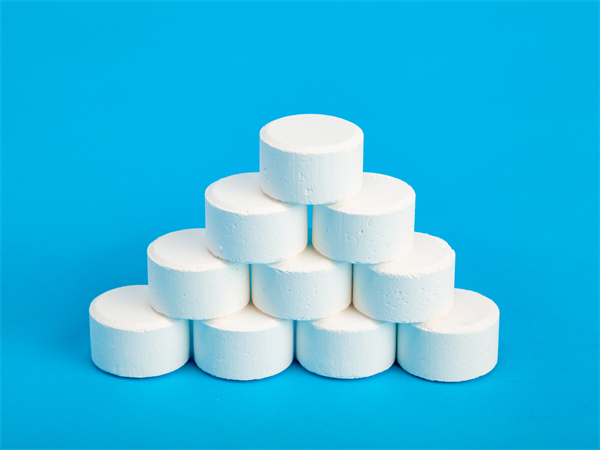
Effective disinfection is essential in industries that depend on controlled water quality, reliable sanitation, and consistent hygiene procedures. From swimming pool maintenance to selected industrial water treatment processes, chlorine-based chemicals play an important role in reducing microbial contamination. Among the available options, trichloroisocyanuric acid, commonly called TCCA, is widely used because of its high available chlorine content, solid formulation, and convenient storage characteristics.
However, not all TCCA products are identical. They are available in different physical forms and grades, each designed to meet particular handling and application requirements. Understanding the differences between these formulations helps procurement teams and facility operators make informed decisions. When evaluating TCCA Disinfectants, buyers should consider active chlorine content, dissolution behavior, product purity, intended use, and compatibility with existing treatment systems rather than relying on price alone.
What Are TCCA Disinfectants?
Trichloroisocyanuric acid is an organic chlorine compound used as a disinfectant and sanitizer. When it comes into contact with water, it releases available chlorine, including hypochlorous acid, which contributes to the inactivation of susceptible microorganisms.
TCCA is commonly used in applications where controlled chlorine release and solid chemical storage are useful. Its relatively high available chlorine content makes it attractive for commercial and industrial sanitation programs.
Typical product characteristics include:
- High available chlorine content, commonly around 90% for standard commercial grades.
- Solid physical form with different particle sizes and shapes.
- Chlorine release when dissolved in water.
- Stabilized chlorine chemistry associated with cyanuric acid.
- Availability in granules, powder, and compressed tablets.
- Suitability for selected water sanitation and disinfection applications, depending on product approval.
The exact specifications vary by manufacturer and product grade. Buyers should always review the technical data sheet and certificate of analysis for the particular product they intend to purchase.
Common TCCA Formulations
TCCA is available in several physical formulations. Although the active chemical is broadly the same, particle size, compression, and dissolution behavior can influence how each format is handled and applied.
1. TCCA Tablets
<text weight=”medium”>Typical purpose:</text> Controlled dosing in suitable water sanitation systems.
TCCA tablets are compressed solid products designed to dissolve over time. Their form makes them convenient for applications where operators use compatible feeders or dosing equipment.
Advantages include:
- Convenient handling and portioning.
- Consistent tablet dimensions within a specified product grade.
- Compatibility with suitable tablet dosing systems.
- Reduced need for frequent manual measurement.
The dissolution rate depends on tablet size, compression, water movement, temperature, and the design of the dosing equipment. Operators should use only feeders specifically compatible with the product.
2. TCCA Granules
<text weight=”medium”>Typical purpose:</text> Applications requiring measured quantities and flexible preparation.
Granular TCCA consists of small solid particles that can be weighed to prepare solutions or support approved treatment procedures.
Potential benefits include:
- Flexible quantity measurement.
- Convenient preparation for different treatment volumes.
- Suitability for certain commercial and industrial sanitation processes.
- Practical storage in appropriately sealed packaging.
Granules may dissolve differently depending on particle size and water conditions. Dust control and suitable protective equipment are important during handling.
3. TCCA Powder
<text weight=”medium”>Typical purpose:</text> Selected applications requiring a fine solid formulation.
Powdered TCCA has smaller particles than granular products. Its physical characteristics may support rapid dispersion under appropriate preparation conditions, although actual dissolution and handling performance depend on the formulation.
Because fine particles can become airborne, careful handling and appropriate ventilation are particularly important.
Formulation Comparison
| Product format | Main characteristic | Handling consideration | Potential advantage |
|---|---|---|---|
| TCCA tablets | Compressed solid units | Requires compatible dosing equipment | Convenient portioning |
| TCCA granules | Small solid particles | Requires accurate weighing and dust precautions | Flexible quantity adjustment |
| TCCA powder | Fine solid particles | Requires careful dust management | Useful for selected preparation procedures |
No formulation is universally superior. The appropriate choice depends on the treatment process, equipment, operating conditions, and manufacturer’s instructions.
Comparing TCCA Performance Characteristics
A useful comparison should examine more than the physical form. Several chemical and operational characteristics determine whether a particular TCCA product is suitable for a commercial application.
Available Chlorine Content
Available chlorine indicates the disinfecting capacity of a chlorine-based product. Standard TCCA commercial grades commonly contain approximately 90% available chlorine, although buyers should confirm the actual value from the product specification.
A higher available chlorine percentage can reduce the amount of product needed to supply a given quantity of chlorine. Nevertheless, correct dosing depends on the target residual, water chemistry, contamination level, and applicable treatment standards.
Dissolution Rate
Dissolution behavior influences how quickly a product releases chlorine into water.
- Tablets generally dissolve over a longer period, depending on their design and operating conditions.
- Granules typically offer more flexibility for measured preparation.
- Powder may disperse differently because of its finer particle size.
These are general characteristics rather than guaranteed performance results. Water temperature, agitation, particle size, and product composition can all affect dissolution.
Chemical Stability
TCCA is a stabilized chlorine compound. Its solid form can be practical for storage and transportation when kept under the conditions specified by the manufacturer.
Exposure to moisture, excessive heat, contamination, or incompatible substances can compromise safe storage and product quality. Appropriate packaging and warehouse procedures are therefore essential.
Microbial Control
TCCA releases chlorine species that can inactivate susceptible microorganisms when used at suitable concentrations and contact times.
Performance is affected by:
- Chlorine concentration.
- Contact time.
- Water pH.
- Temperature.
- Organic matter and suspended particles.
- The type and resistance of the target microorganism.
Operators should use validated treatment procedures and monitor relevant water-quality parameters rather than assuming that every application requires the same dosage.
Common Industrial Uses of TCCA
TCCA is used in a range of commercial and industrial settings. Its suitability depends on the product grade, application approval, and relevant operating requirements.
Swimming Pool and Recreational Water Sanitation
One of the best-known uses of TCCA is swimming pool sanitation. It can provide available chlorine to help control bacteria and other susceptible microorganisms in pool water.
Tablet formulations are often selected for compatible feeders, while granular products may be used in certain approved maintenance procedures.
Pool operators should regularly monitor free chlorine, pH, and cyanuric acid levels. Because TCCA contributes cyanuric acid to the water, repeated use can cause it to accumulate. Excessive accumulation may affect chlorine effectiveness and require corrective water-management measures.
Industrial Water Treatment
Some industrial facilities use chlorine-based disinfectants to manage microbial contamination in selected water systems. TCCA may be considered where its chemistry and product approval are compatible with the treatment process.
Before selecting it, operators should evaluate water composition, required residual levels, system materials, treatment objectives, and discharge requirements.
Institutional and Facility Sanitation
Certain facilities require disinfecting solutions for designated sanitation tasks. TCCA may be appropriate for specific applications when the product label permits the intended use.
The preparation concentration, contact time, and surface compatibility must follow approved instructions. A product intended for swimming pools, for example, should not automatically be assumed suitable for food-contact surfaces or medical environments.
Wastewater and Process Hygiene
Some industrial operations incorporate chlorine-based chemicals into controlled wastewater or process-hygiene programs. TCCA may be considered for selected applications where treatment requirements and environmental regulations permit its use.
Operators must assess the potential formation of disinfection by-products, chlorine residuals, and impacts on downstream biological treatment processes.
TCCA Compared with Other Chlorine-Based Disinfectants
TCCA is not the only solid or liquid chlorine product available. Comparing it with alternative compounds can help buyers identify the most appropriate option for their systems.
| Characteristic | TCCA | SDIC | Sodium Hypochlorite | Calcium Hypochlorite |
|---|---|---|---|---|
| Common physical form | Tablets, granules, powder | Tablets, granules, powder | Liquid | Powder, granules, tablets |
| Available chlorine | Commonly around 90% in standard commercial grades | Varies by grade, commonly around 55–60% | Varies by solution concentration | Varies by grade |
| Stabilized chlorine chemistry | Yes | Yes | No cyanuric acid stabilization | No cyanuric acid stabilization |
| Storage considerations | Requires cool, dry, segregated storage | Requires dry, controlled storage | Requires suitable liquid chemical storage | Requires strict moisture protection |
| Typical consideration | High available chlorine content | Flexible solid disinfection formats | Ready-to-use liquid dosing | Solid chlorine supply |
The comparison is general. Actual product specifications and suitability depend on the manufacturer, formulation, and intended application.
How to Select the Right TCCA Product
Selecting a formulation should begin with a clear understanding of the treatment system and its operating requirements.
Identify the Application
Determine whether the product will be used for swimming pool sanitation, industrial water treatment, or another approved disinfection purpose.
This distinction is important because product grades and regulatory requirements may differ substantially between applications.
Review Available Chlorine Specifications
Check the manufacturer’s stated available chlorine content and verify it through batch documentation where necessary.
Avoid comparing products solely by the percentage shown on promotional materials. Confirm the actual specification and test method.
Consider Dosing Equipment
Tablets are generally suited to compatible feeders, while granules and powders may require weighing and controlled preparation.
The dosing method should support accurate application without creating unnecessary exposure risks.
Evaluate Dissolution Requirements
Consider whether the treatment process needs gradual chlorine release or measured preparation. Review the manufacturer’s dissolution information and test the product under appropriate operating conditions.
Examine Packaging and Shelf Life
Bulk buyers should confirm that packaging protects the product against moisture and physical damage. Manufacturing dates, batch numbers, expiry information, and storage instructions should be clearly provided.
Quality Checks Before Bulk Purchasing
Supplier evaluation is especially important when TCCA is purchased regularly or in large quantities. A consistent supply of appropriately specified material can help avoid interruptions and variations in treatment performance.
Before placing an order, buyers should request:
- Certificate of analysis: Batch-specific information on available chlorine and other relevant specifications.
- Technical data sheet: Product characteristics, formulation, and intended applications.
- Safety data sheet: Hazard identification, handling precautions, storage instructions, and emergency procedures.
- Packaging details: Container type, net weight, sealing method, and transport arrangements.
- Quality documentation: Relevant manufacturing and quality-management certifications.
- Supply information: Production capacity, lead times, and arrangements for repeat orders.
It is also sensible to establish acceptance criteria for each delivery. Where appropriate, incoming batches can be checked against the agreed specifications before being introduced into the treatment process.
Safe Handling and Storage of TCCA
TCCA is an oxidizing chemical and requires careful handling. Incorrect storage or contact with incompatible substances can create serious hazards.
Commercial facilities should follow the product’s safety data sheet and implement suitable workplace procedures.
Important precautions include:
- Store TCCA in a cool, dry, well-ventilated location.
- Keep containers tightly closed and protected from moisture.
- Separate the product from acids, ammonia, reducing agents, combustible materials, and other incompatible chemicals.
- Never mix TCCA with other chlorine products or cleaning chemicals.
- Use appropriate gloves, protective clothing, and eye protection.
- Avoid inhaling dust from granules or powder.
- Use clean, dry, dedicated equipment for measuring and handling.
- Restrict access to trained personnel.
- Maintain suitable spill-response and emergency procedures.
TCCA should never be mixed with acids or ammonia because hazardous gases may be released. Facilities should also ensure that workers understand the product’s hazards before handling it.
Environmental and Regulatory Considerations
Chlorine-based disinfection requires responsible management of chemical dosing and residual levels. Excess chlorine can affect aquatic organisms and may interfere with biological wastewater treatment processes.
TCCA also contributes cyanuric acid to treated water. This is particularly relevant in systems where the product is used repeatedly, such as swimming pools.
Before adopting a TCCA treatment program, organizations should:
- Confirm that the product is approved for its intended application.
- Follow applicable local water-quality and chemical-use regulations.
- Monitor chlorine residuals and other relevant water parameters.
- Assess potential disinfection by-products where required.
- Follow appropriate wastewater discharge requirements.
- Maintain records of chemical use and treatment performance.
Regulatory compliance should be verified for the specific location and application rather than assumed from the product’s general chemical classification.
Conclusion
TCCA offers several formulation options for commercial and industrial disinfection, including tablets, granules, and powder. Each format has different handling and dissolution characteristics, making the right selection dependent on treatment objectives, dosing equipment, water conditions, and operational preferences.
Its high available chlorine content and solid chemical form can make TCCA a practical choice for approved applications such as swimming pool sanitation and selected industrial water-treatment processes. However, buyers should evaluate product specifications, batch quality, packaging, supplier reliability, and safety documentation before purchasing.
A careful comparison of formulations and treatment requirements helps organizations choose a suitable disinfectant while supporting consistent performance, responsible chemical handling, and regulatory compliance.