
Introduction
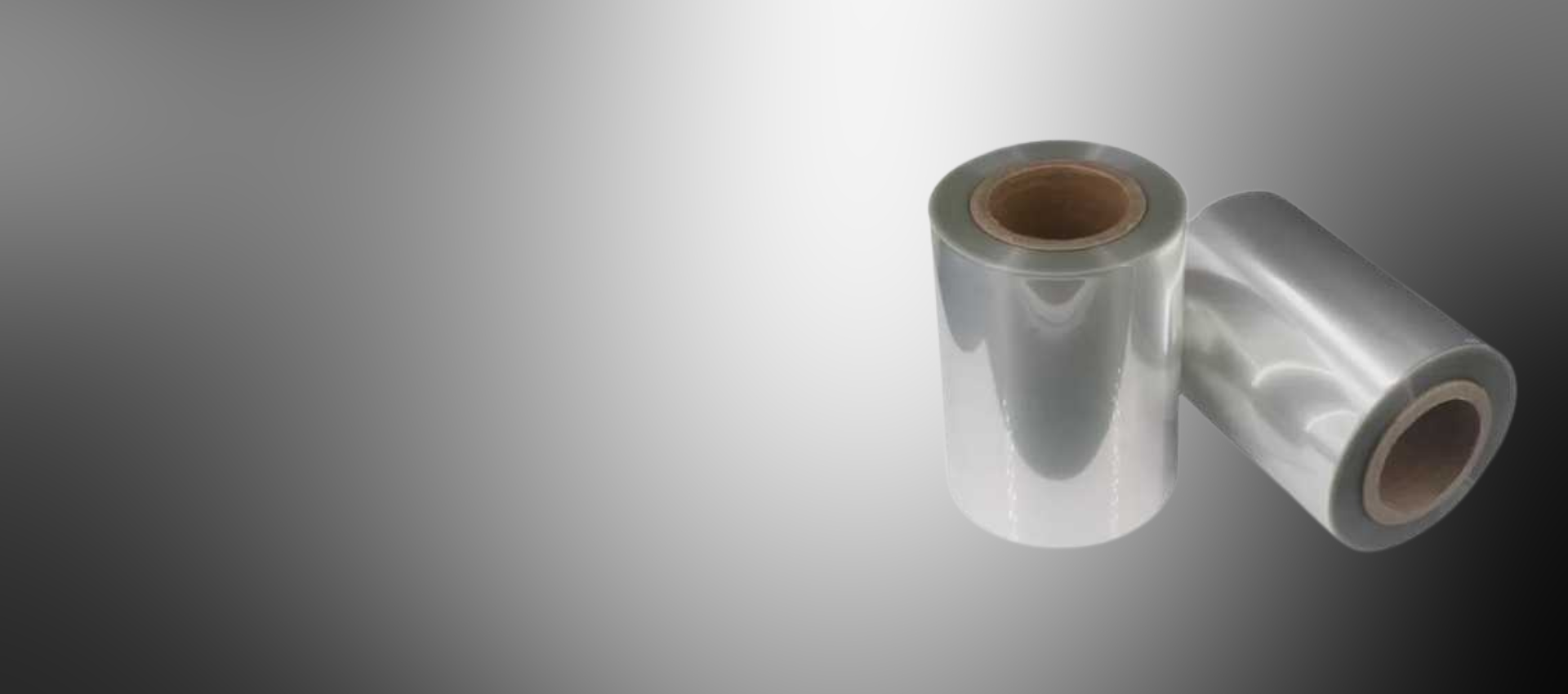
In modern manufacturing, material versatility is a key requirement for efficient production and product innovation. PETG film is widely used across packaging, medical, and industrial sectors because it combines clarity, toughness, and excellent processing flexibility. However, its performance in real-world applications depends not only on its inherent properties but also on how it is processed and fabricated.
Different processing methods allow manufacturers to shape, modify, and adapt PETG film for specific applications. From precision cutting to thermoforming and surface fabrication, each technique plays a critical role in determining the final product’s quality and functionality. In many industries, PETG film is favored because it supports a wide range of processing methods without losing clarity or structural integrity.
Cutting Techniques for PETG Film
Cutting is one of the most basic yet essential processing steps for PETG film. The material can be cut into various shapes and sizes depending on application requirements, using both manual and automated methods.
Common cutting techniques include:
- Die cutting for high-volume production
- Laser cutting for precision designs
- Guillotine cutting for straight edges
- CNC cutting for complex shapes
Laser cutting is particularly useful for intricate designs, as it provides high accuracy and clean edges without causing significant material deformation. However, care must be taken to control heat exposure, as excessive heat can affect edge quality.
Die cutting is widely used in packaging industries where consistent shapes are required at scale. It offers speed and efficiency for mass production while maintaining dimensional accuracy.
Thermoforming and Shaping Processes
Thermoforming is one of the most important processing methods for PETG film. It involves heating the material until it becomes pliable and then forming it into a desired shape using molds or pressure.
PETG film is especially suitable for thermoforming due to its low forming temperature and excellent stretchability. It maintains clarity even after shaping, making it ideal for transparent packaging and display applications.
Common thermoforming techniques include:
- Vacuum forming
- Pressure forming
- Plug-assisted forming
Vacuum forming is widely used in packaging applications such as clamshell containers and blister packs. Pressure forming provides greater detail and is often used for high-quality display products. Plug-assisted forming helps achieve deeper shapes without thinning the material excessively.
Fabrication and Assembly Methods
Beyond cutting and forming, PETG film can also be fabricated into more complex structures through various assembly techniques. These methods are used to create multi-part products, protective covers, and engineered components.
Fabrication methods include:
- Heat welding for joining sheets
- Adhesive bonding for layered structures
- Ultrasonic welding for precision assembly
- Mechanical fastening for modular designs
Heat welding is commonly used to join PETG sheets by applying controlled heat and pressure. This creates strong, seamless bonds suitable for industrial applications.
Adhesive bonding is often used when transparency must be preserved, as it avoids visible weld lines and maintains optical clarity.
Surface Treatment and Enhancement Techniques
Surface treatment is an important part of PETG film processing, especially for applications involving printing, coating, or adhesion. These treatments modify the surface energy of the film to improve compatibility with inks, adhesives, and protective layers.
Common surface treatments include:
- Corona treatment for improved ink adhesion
- Plasma treatment for enhanced bonding performance
- UV coating for scratch and chemical resistance
- Anti-fog or anti-scratch coatings for specialized applications
Corona treatment is widely used in packaging and printing industries to ensure strong ink adhesion and long-lasting graphics. UV coatings are often applied to improve durability and maintain clarity under exposure to light and environmental stress.
Printing and Decoration Processing
PETG film is highly compatible with various printing techniques, making it a popular choice for decorative and branding applications. Proper processing ensures that printed designs remain sharp and durable throughout the product lifecycle.
Printing methods include:
- Screen printing for bold graphics
- Offset printing for high-volume production
- Digital printing for customization and short runs
- UV printing for durable and high-resolution output
Before printing, surface preparation is often required to ensure proper ink adhesion and prevent smudging or fading. This step is critical in achieving high-quality visual results.
Lamination and Coating Processes
Lamination and coating are used to enhance the functional and aesthetic properties of PETG film. These processes can improve scratch resistance, UV stability, and overall durability.
Lamination involves bonding PETG film with other materials to create multi-layer structures with enhanced performance. Coating processes apply protective or decorative layers to improve appearance and resistance to environmental factors.
These techniques are commonly used in packaging, signage, and industrial applications where long-term performance is required.
Quality Control During Processing
Maintaining consistent quality during PETG film processing is essential for achieving reliable results. Manufacturers implement strict quality control measures at every stage of production and fabrication.
Key quality control checks include:
- Dimensional accuracy after cutting
- Surface uniformity and clarity
- Forming consistency in thermoformed parts
- Bond strength in welded or bonded structures
These checks ensure that the final product meets performance standards and application requirements.
Conclusion
PETG film offers exceptional versatility in processing, making it suitable for a wide range of manufacturing and fabrication techniques. From cutting and thermoforming to welding, coating, and printing, its adaptability allows manufacturers to create highly functional and visually appealing products.
By supporting efficient processing methods without compromising clarity or strength, PETG film continues to play an important role in packaging, industrial design, and commercial applications. Its flexibility in fabrication ensures that it remains a reliable material for both simple and complex production requirements.