
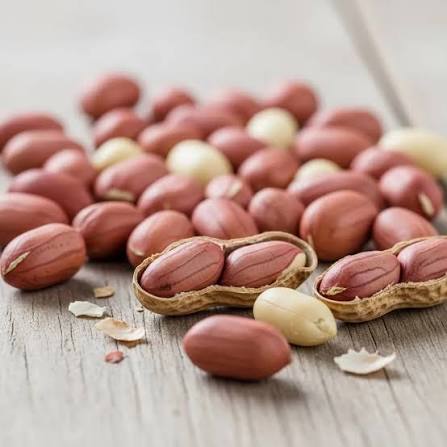
Peanuts are among the most adaptable ingredients found in everyday kitchens. Their naturally rich flavor works equally well in sweet desserts, savory meals, and quick homemade snacks. Once the outer shells are removed, the kernels become especially convenient for measuring, grinding, roasting, and mixing into recipes.
For households and food businesses looking for a practical ingredient, Peanut Kernels offer a ready-to-use option with numerous culinary applications. They are available in raw, roasted, blanched, salted, and other processed forms. Each variety has its own advantages depending on the intended preparation.
Understanding the Different Forms of Peanut Kernels
Peanut kernels are the edible portions inside peanut pods. Their appearance can vary depending on the variety and processing method.
Raw kernels retain their natural flavor and are useful for cooking and further processing. Roasted kernels have a deeper aroma and crispier texture, making them suitable for immediate snacking.
Blanched peanuts have had their thin reddish skins removed. These are often preferred for recipes where a lighter appearance or smoother texture is desirable.
Crushed and chopped peanuts are also common in commercial food preparation because they can be distributed easily throughout mixtures.
Nutrients Found in Peanut Kernels
Peanut kernels provide several nutrients that contribute to everyday dietary requirements.
- Protein: A useful source of plant protein for normal tissue maintenance.
- Unsaturated fats: Include monounsaturated and polyunsaturated fatty acids.
- Fiber: Supports digestive function.
- Niacin: A B vitamin involved in normal energy metabolism.
- Magnesium: Supports normal muscle and nerve activity.
- Phosphorus: Contributes to normal bone maintenance and energy metabolism.
- Vitamin E: Helps protect cells against oxidative damage.
The exact composition varies with processing and serving size. Products with added sugar, salt, or oil have different nutritional characteristics from plain kernels.
How Peanut Kernels Are Used in Snacks
The simplest way to enjoy peanut kernels is to roast them. Dry roasting in an oven or pan brings out their natural flavor and creates a crunchy texture.
However, there are several other possibilities.
Homemade Peanut Snack Mix
Combine roasted peanuts with almonds, sunflower kernels, pumpkin seeds, and dried fruit. This creates a convenient mixture that can be divided into small containers.
Peanut Butter Preparation
Roasted peanuts can be blended until their natural oils create a smooth or slightly coarse spread. Some people prefer adding a little salt, while others enjoy the natural taste without additional ingredients.
Coated and Seasoned Snacks
Peanut kernels can be coated with spices, herbs, or suitable flour-based mixtures before roasting. Commercial snack producers also use peanuts in flavored and coated products.
Peanut Kernels in Baking
Baking is another area where peanuts are particularly useful.
Chopped peanuts can be incorporated into cookies, brownies, cakes, and biscuits. Their flavor complements chocolate, caramel, honey, and vanilla.
Ground peanut kernels can also be included in selected flour mixtures or used as toppings for desserts.
For an attractive finish, sprinkle chopped roasted peanuts over cakes or homemade dessert bars after preparation.
Their Role in Savory Cooking
Peanuts are widely used in savory recipes across different cuisines.
In noodle dishes, crushed peanuts provide contrast to soft noodles and vegetables. They can also be sprinkled over rice bowls or incorporated into vegetable stir-fries.
Peanut-based sauces are particularly popular. Ground kernels can be combined with garlic, ginger, soy sauce, citrus juice, and other ingredients to create a flavorful dressing or dipping sauce.
In some regional cuisines, peanuts are also used in chutneys, spice mixtures, and vegetable preparations.
Choosing the Right Type for Your Recipe
Not every peanut product is suitable for every application.
| Peanut variety | Common application |
|---|---|
| Raw kernels | Cooking and further processing |
| Dry-roasted kernels | Direct snacking |
| Blanched kernels | Baking and confectionery |
| Chopped kernels | Toppings and snack mixes |
| Ground peanuts | Sauces and spreads |
| Salted kernels | Savory snack preparations |
Consider freshness, size consistency, processing method, and ingredient information when purchasing.
Keeping Peanut Kernels Fresh
Peanuts contain natural oils that can deteriorate when exposed to heat, light, and air. Store them in airtight containers in a cool, dry location.
Refrigeration is useful for longer storage, particularly in warm climates. Freezing may also help preserve larger quantities.
Always inspect peanuts before use. Discard products with mold, unusual discoloration, or a rancid smell. People with peanut allergies should avoid peanut kernels and foods that may contain traces of them.
An Ingredient That Deserves a Place in the Pantry
Peanut kernels are useful because they can move easily between different types of recipes. They provide flavor in desserts, texture in salads, substance in snack mixtures, and richness in sauces.
Whether purchased for household cooking or larger-scale food production, their versatility makes them a dependable ingredient. Choosing fresh products and storing them correctly helps ensure that their characteristic taste and texture remain enjoyable.