
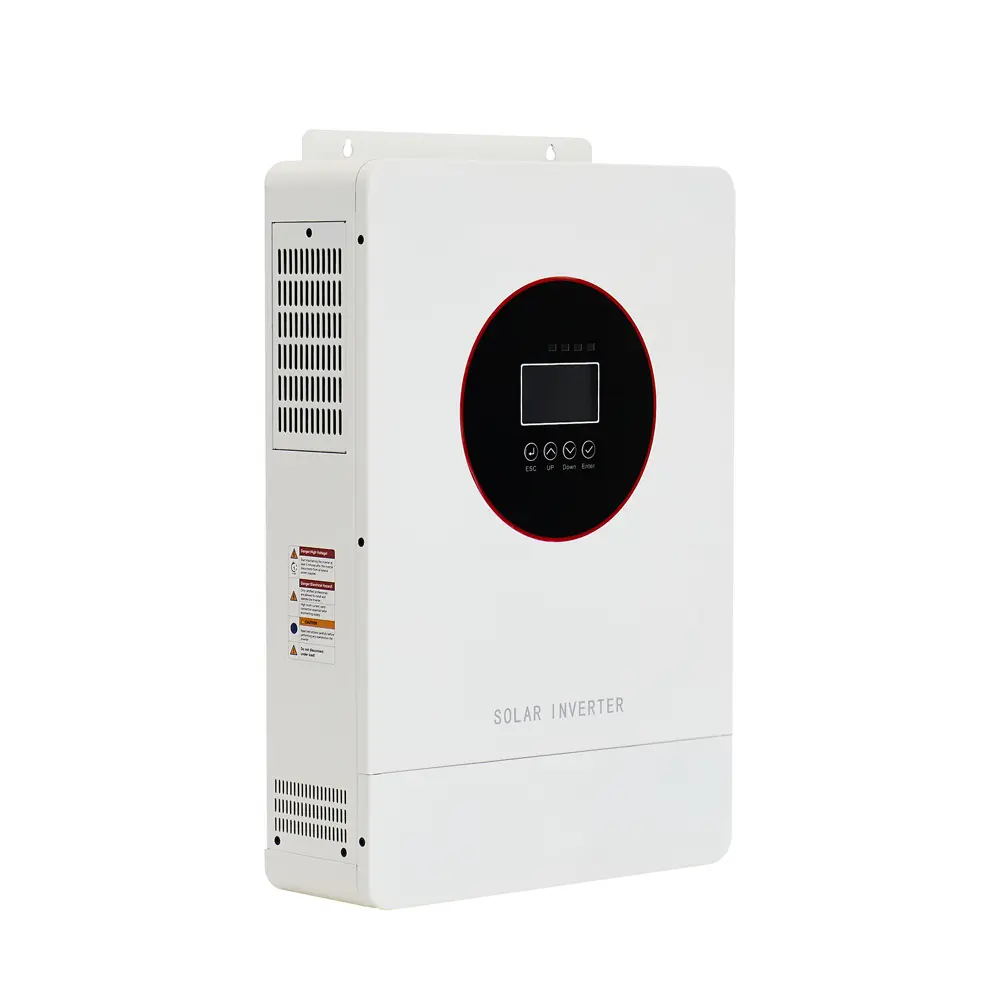
Portable electricity has traditionally been associated with fuel-powered generators, but battery technology has created another option for users who need power away from a fixed electrical connection. Battery-based systems can store electricity in advance and make it available through built-in outlets. They are useful in situations where quiet operation, convenient charging, and freedom from engine exhaust during use are important.
A Battery Power Generator is an energy storage unit that supplies electricity from an internal rechargeable battery. Most models include an inverter for AC output, DC connections for compatible equipment, and electronic controls that manage charging and discharge. Some units can be recharged through mains electricity, vehicle connections, or compatible solar panels.
How Battery-Based Power Works
The battery stores electrical energy through an electrochemical process. When a connected device needs power, the system releases energy from the battery. DC equipment may be supplied directly through suitable DC outputs, while AC appliances receive electricity converted by the inverter.
The battery management system monitors operating conditions and helps keep the cells within their permitted limits. Depending on the design, the unit may also include temperature monitoring, overload protection, and status displays.
Unlike a conventional generator, a battery-based system does not continuously produce electricity through an engine. Its available runtime is limited by the energy stored and the power consumed by connected equipment.
1. Quiet Operation for Indoor-Compatible Applications
A major advantage of battery power is the absence of engine noise during normal discharge. This can make it suitable for offices, indoor workspaces, temporary events, and other noise-sensitive environments, provided the particular product is approved for the location.
Battery units also produce no combustion exhaust during use. This distinguishes them from petrol or diesel generators, which must be operated outdoors because of the danger of carbon monoxide poisoning.
Even so, battery equipment should not be placed in unsuitable environments. Follow the manufacturer’s instructions regarding temperature, ventilation, moisture, and clearance around the unit.
2. Convenient Use with Different Devices
Depending on the model, a battery power generator may offer AC sockets, USB ports, and DC outputs. This can allow one unit to support several types of equipment without requiring separate power sources.
Potential loads include phones, laptops, lights, cameras, networking devices, and selected household appliances. The output rating determines which devices can operate, while battery capacity influences how long they can run.
Check both continuous and peak output ratings. Some appliances draw a brief surge when switched on, particularly those with motors or compressors.
3. Flexible Recharging Methods
Many battery-based systems can be recharged from a standard AC outlet. This is convenient when mains electricity is available and the unit needs to be prepared for later use.
Some models also support vehicle charging or solar input. Solar recharging can be valuable for outdoor activities and remote sites, but performance depends on panel capacity, sunlight, shading, temperature, and the unit’s permitted input range.
Buyers should confirm supported voltage, current, connectors, and charging methods. A panel or charger that is electrically incompatible can prevent charging or damage equipment.
4. Understanding Capacity and Runtime
Battery capacity is usually expressed in watt-hours (Wh) or kilowatt-hours (kWh). It describes stored energy rather than the maximum power the unit can deliver at once.
A simple runtime estimate divides usable battery capacity by the average load in watts. For example, a device that consumes more power will deplete the battery faster than a low-power device. Actual runtime is affected by inverter losses, battery operating limits, temperature, and battery age.
It is wise to leave a reserve rather than planning to discharge the battery completely during routine use.
5. Battery Chemistry and Service Life
Battery chemistry influences weight, energy density, charging behavior, operating temperature, and expected cycle life. Lithium-based batteries are common in modern portable systems, but different chemistries have different characteristics.
Manufacturers may publish cycle-life estimates under specified conditions. These figures should be interpreted carefully because actual life depends on depth of discharge, temperature, charging practices, and storage conditions.
Follow the recommended charging and storage procedures. Avoid using damaged equipment or exposing the battery to conditions outside its rated operating range.
6. Comparing Battery and Fuel Generators
Battery systems are generally quiet during discharge and do not need fuel refilling while operating. They can be convenient for smaller loads and locations where exhaust is unsuitable.
Fuel generators may be more practical for long-duration, high-demand applications where fuel can be supplied and safe outdoor operation is possible. They can continue generating electricity while fuel remains available, subject to maintenance and operating limits.
The best choice depends on the load, runtime requirement, noise restrictions, available charging sources, and total cost.
Choosing a System That Meets Daily Needs
A battery power generator can provide convenient portable electricity for electronics, selected appliances, and short-term backup applications. To select one effectively, compare usable capacity, continuous output, surge rating, recharge options, battery chemistry, safety features, and warranty coverage.
Matching the unit to actual power requirements helps users get dependable service without paying for capacity or features they do not need.