
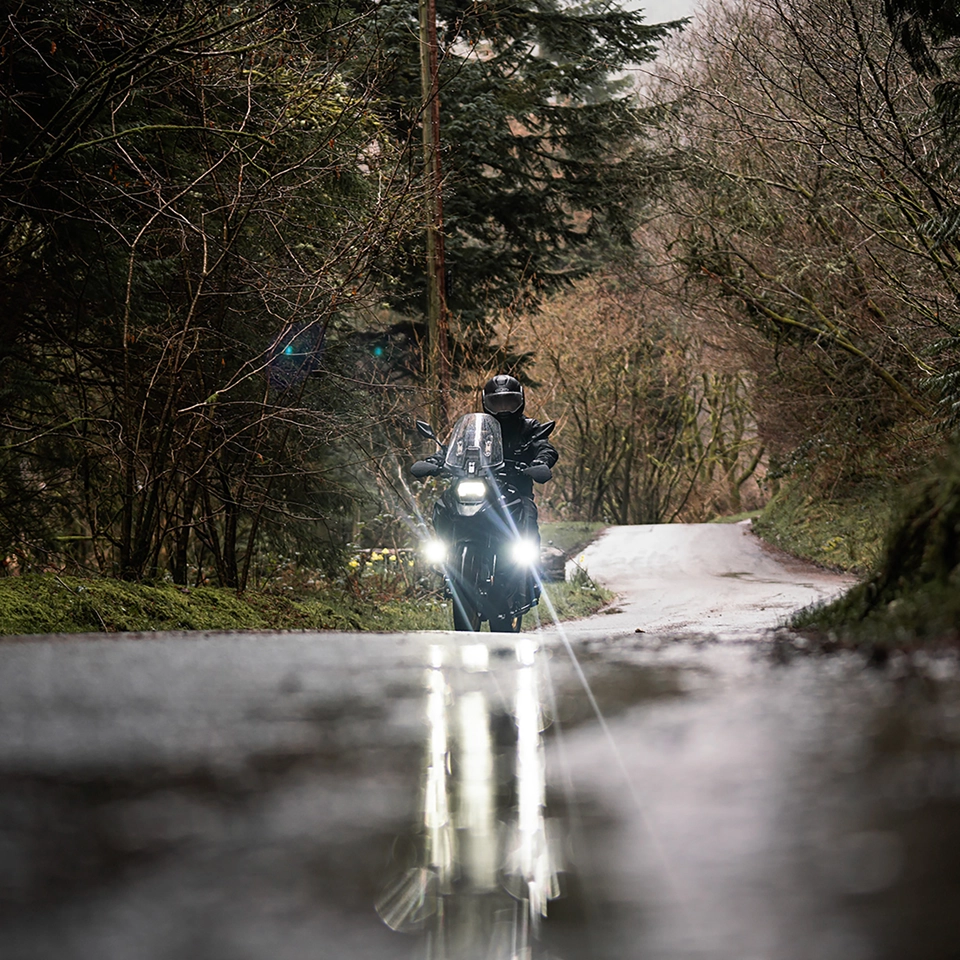
Night riding can be challenging when roads are poorly lit, visibility changes quickly, or unexpected obstacles appear ahead. A motorcycle’s standard headlight provides essential illumination, but additional lighting can help riders see more of the road and surrounding area.
Installing suitable Motorbike Spot Lights can provide additional illumination where it is needed most. These auxiliary lights can improve forward visibility, highlight the edges of the road, and make it easier to identify potential hazards during nighttime journeys without relying entirely on the motorcycle’s factory lighting.
Why Visibility Matters on Night Rides
Reduced visibility affects how quickly a rider can identify road conditions. Potholes, animals, debris, pedestrians, sharp bends, and poorly marked obstacles can become more difficult to notice after dark.
Additional lighting can help create a broader and more useful field of illumination. When properly positioned and aimed, spot lights can complement the main headlight rather than simply adding brightness directly in front of the motorcycle.
What Are Motorbike Spot Lights?
Motorbike spot lights are auxiliary lighting units designed to provide additional illumination for motorcycles. They are generally mounted to suitable areas of the motorcycle and connected to the electrical system through appropriate wiring and controls.
Different lights can provide different beam patterns. Some are designed to concentrate light farther ahead, while others provide wider illumination around the motorcycle. Choosing the right beam pattern depends on riding conditions and the type of visibility improvement required.
Benefits of Adding Auxiliary Lights
Improved Forward Visibility
A focused beam can help illuminate areas farther along the road, giving riders more time to recognize changes in the road ahead.
Better Awareness Around Curves
Lighting positioned to complement the motorcycle’s primary headlight can help improve visibility around bends, particularly on roads with limited street lighting.
Greater Roadside Visibility
A suitable auxiliary light setup can help illuminate the edges of the road. This may make objects outside the primary headlight beam easier to identify.
Useful for Rural and Remote Roads
Motorcycles frequently used on rural roads, trails, or poorly illuminated routes can benefit from additional lighting designed for those environments.
Choosing the Right Beam Pattern
Beam pattern is an important consideration when selecting auxiliary motorcycle lighting.
Spot Beam
A spot beam concentrates illumination into a relatively narrow area. It can be useful when long-distance forward visibility is a priority.
Flood Beam
A flood beam spreads illumination across a wider area. This can be useful for improving visibility closer to the motorcycle and toward the sides of the road.
Combination Beam
Some lighting systems combine focused and wider illumination. This approach can provide a balance between distance and surrounding visibility.
The best choice depends on where and how the motorcycle is normally ridden.
Important Features to Consider
When comparing motorcycle auxiliary lights, look beyond brightness alone. Several technical and practical features can affect performance.
Light Output
Consider how much illumination the light provides and whether it complements the motorcycle’s existing headlight. Excessive brightness is not automatically better if the beam is poorly controlled.
Beam Control
A well-designed beam should provide useful illumination without creating unnecessary glare for other road users.
Weather Resistance
Motorcycles are exposed to rain, dust, mud, and changing weather conditions. Lights with appropriate protection against environmental exposure can be better suited to regular outdoor use.
Construction Quality
The housing, mounting components, lens, and electrical connections should be designed to withstand vibration and everyday riding conditions.
Size and Weight
Compact lights can be easier to install without significantly changing the motorcycle’s appearance or adding unnecessary weight.
Proper Installation and Positioning
Even high-quality auxiliary lights need correct installation to perform effectively. Mounting points should be strong enough to withstand vibration, while wiring should be secured away from moving or excessively hot components.
Light alignment is equally important. The beam should illuminate the intended area without unnecessarily shining into the eyes of approaching drivers or riders.
It is also important to use appropriate switches, fuses, relays, and wiring based on the motorcycle’s electrical system and the manufacturer’s installation requirements.
Avoiding Excessive Glare
Additional motorcycle lighting should improve visibility without creating a hazard for other road users. Poorly aimed lights can produce glare and make it harder for approaching drivers to see.
Before riding, check the alignment from a reasonable distance and make adjustments where necessary. Riders should also follow applicable road-use and lighting regulations in their area.
Maintaining Motorcycle Spot Lights
Regular inspection can help keep auxiliary lighting performing consistently. Check the lenses for dirt, inspect mounting hardware for looseness, and examine wiring for damage or exposed connections.
After riding in harsh weather or on rough roads, it is worth checking that the lights remain securely mounted and correctly aligned. Cleaning the lens can also help maintain the intended light output.
Matching Lights to Your Riding Style
Different riders have different lighting requirements. Someone commuting primarily through urban streets may need a different setup from a rider who regularly travels on unlit highways or remote roads.
Before purchasing, consider:
- Typical riding hours
- Road and weather conditions
- Urban or rural routes
- Desired beam distance
- Required side visibility
- Motorcycle electrical capacity
- Mounting space
- Local lighting regulations
This makes it easier to choose a lighting configuration that serves a practical purpose rather than simply adding more equipment.
Conclusion
Motorbike spot lights can be a useful addition to a motorcycle’s standard lighting system when riders need improved visibility during nighttime travel. The right combination of beam pattern, construction quality, weather resistance, mounting position, and electrical compatibility can make auxiliary lighting more practical and effective.
Rather than focusing only on maximum brightness, riders should choose lights that provide controlled illumination for their specific riding environment. Proper installation, alignment, maintenance, and responsible use are equally important for creating a safer and more comfortable night-riding experience.