
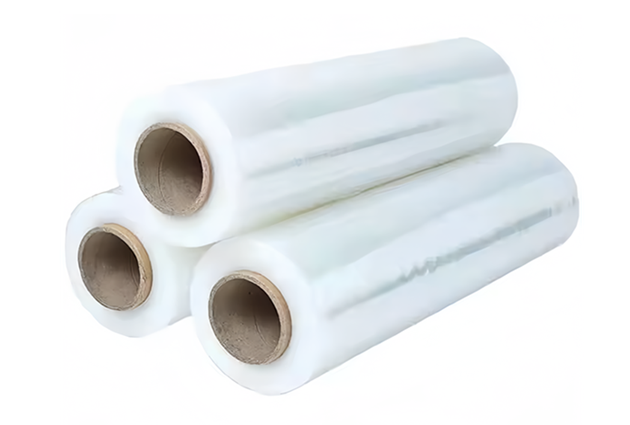
Industrial packaging often requires materials that can provide reliable containment while also simplifying handling, dosing, or product release. Water soluble film is used in a range of specialized applications because it can dissolve under suitable water conditions while providing useful mechanical and sealing properties before use.
The characteristics of Water Soluble Film can be adapted to different industrial requirements, including controlled dissolution, film strength, thickness, and compatibility with packaged products. POLYVA is one company operating in the PVA film sector, where these properties are considered when developing film for different applications.
Industrial Chemical Packaging
One important application is the packaging of selected industrial chemicals and formulated products. Water soluble film can be used to create individual portions, helping reduce the need for manual measuring during preparation.
Pre-measured packaging can also help standardize the quantity of material used in a process. The appropriate film must be tested for compatibility with the chemical formulation and storage conditions.
Benefits of Portion-Controlled Packaging
Individual portions can provide several practical advantages in industrial environments:
- More consistent dosing
- Reduced direct handling
- Simplified preparation
- Easier distribution of predetermined quantities
- Potentially less product waste from inaccurate measuring
The actual benefits depend on the product and the specific production or application process.
Agricultural Chemical Applications
Agricultural products, including certain fertilizers, pesticides, and other formulations, may use water soluble film for controlled portion packaging.
The film can enclose a predetermined quantity that dissolves when introduced into water or an application mixture. This can simplify preparation while reducing the need to open and measure concentrated products manually.
Importance of Chemical Compatibility
Agricultural formulations can vary significantly in their chemical composition. The selected film should therefore be tested for compatibility with the contents during the expected storage period.
Factors such as moisture exposure, temperature, formulation concentration, and storage duration can influence film performance.
Detergent and Cleaning Product Packaging
Although commonly associated with household products, water soluble film is also used in commercial and industrial cleaning applications.
Cleaning concentrates can be packaged into individual doses, allowing workers to use predetermined quantities without repeatedly measuring liquid or powdered formulations. This approach can be useful in facilities where cleaning products are consumed regularly.
Concrete and Construction Applications
Water soluble film can be considered for selected construction-related materials that are supplied in predetermined quantities. The packaging can dissolve when introduced into an appropriate mixture or water-based process.
The film specification depends on the material being packaged and the conditions it will encounter. Strength during transportation and storage is particularly important for construction products that may experience demanding handling conditions.
Textile and Embroidery Applications
Water soluble film has applications in textile production and embroidery. It can serve as a temporary support or stabilizing material during certain embroidery processes.
After the relevant manufacturing stage, the material can be removed using water, leaving the finished textile without the need for conventional mechanical removal methods.
Industrial Laundry Products
Commercial laundries use concentrated detergents and other cleaning formulations in large quantities. Water soluble film can provide a convenient method of packaging predetermined doses for professional laundry operations.
The film needs to maintain its integrity during handling and storage while dissolving under the temperatures and water conditions used during the laundry process.
Packaging for Specialty Powders
Certain industrial powders can benefit from portion-controlled packaging. Water soluble film can enclose measured quantities while keeping individual portions separated during transportation and storage.
This approach may simplify the addition of powdered materials to water-based processes. The film must, however, be compatible with the powder and remain stable under recommended storage conditions.
Water Treatment Applications
Some water treatment products may be packaged in dissolvable film where controlled dosing is required. Individual portions can help simplify the addition of treatment chemicals to water systems.
The required dissolution characteristics depend on the application. Film selection should account for water temperature, agitation, chemical compatibility, and required release time.
Medical and Healthcare-Related Uses
Selected healthcare and hygiene applications can also make use of water soluble film for specialized packaging or handling purposes.
These applications generally require careful evaluation of material specifications, product compatibility, hygiene requirements, storage conditions, and applicable standards. The film should be selected based on the specific use rather than assuming that a general-purpose grade is suitable.
Factors That Influence Industrial Film Selection
Industrial applications can place very different demands on packaging materials. Before selecting a film, businesses should consider:
- Required dissolution temperature
- Desired dissolution time
- Film thickness
- Tensile strength
- Flexibility
- Sealing requirements
- Moisture sensitivity
- Chemical compatibility
- Storage conditions
- Packaging equipment
Evaluating these characteristics together helps ensure that the film performs throughout manufacturing, transportation, storage, and final use.
The Role of Testing
Laboratory and application-specific testing can help determine whether a water soluble film is suitable for a particular industrial product. Testing may examine dissolution behavior, mechanical strength, sealing performance, and compatibility with the packaged material.
Where possible, testing should replicate real operating conditions. This can reveal performance differences that may not be apparent during basic material evaluation.
Conclusion
Water soluble film has applications across several industrial sectors, including chemical packaging, agriculture, commercial cleaning, construction, textiles, laundry, specialty powders, and water treatment.
Its ability to provide portion-controlled packaging while dissolving under suitable conditions makes it useful for specialized processes. However, film specifications should always be matched to the product, equipment, storage environment, and intended method of use. Careful testing and material selection can help businesses achieve reliable performance in industrial applications.