
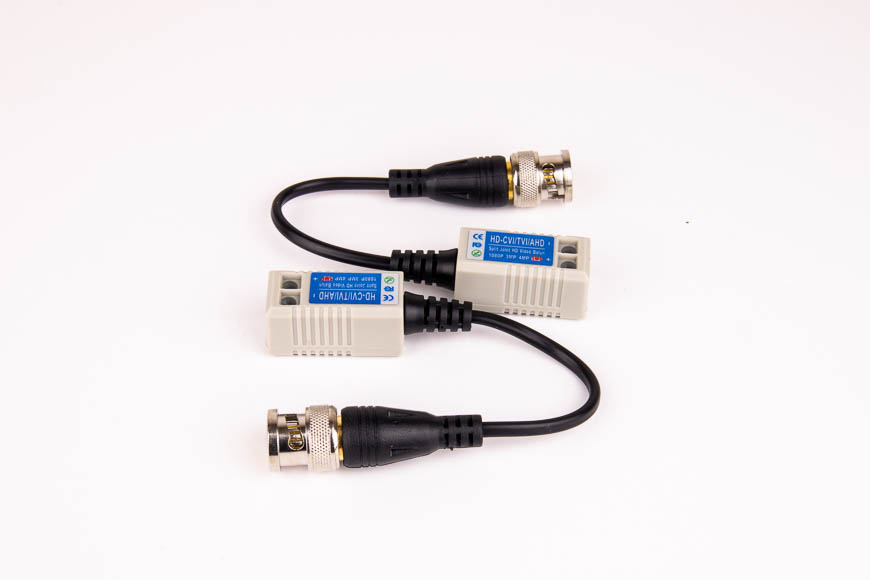
Choosing the right components for a CCTV system directly impacts its performance, reliability, and long-term stability. Among these components, BNC cables play a crucial role in transmitting video signals from cameras to recording devices. A poor-quality cable can lead to signal loss, interference, or degraded image quality, even if the cameras themselves are high-end.
Before investing in a surveillance setup, it is important to evaluate several technical and physical factors that influence cable performance. This ensures that the system runs smoothly under different environmental and operational conditions.
Reliable cctv bnc cables are widely used in surveillance systems because they offer stable signal transmission, strong durability, and consistent performance in both indoor and outdoor installations.
Cable Material Quality
One of the first things to consider is the quality of materials used in the cable construction. The internal conductor and shielding directly affect how efficiently video signals are transmitted.
High-quality cables typically use:
- Pure copper conductors for better signal flow
- High-density shielding for interference protection
- Durable outer jackets for environmental resistance
Poor-quality materials can lead to faster signal degradation and reduced system lifespan.
Shielding Effectiveness
Shielding is essential for protecting video signals from electromagnetic and radio frequency interference. CCTV systems are often installed near electrical wiring, machinery, or wireless devices, all of which can introduce noise into the signal.
Better shielding ensures:
- Reduced image distortion
- Stable video output
- Protection against EMI and RFI
- Improved long-distance transmission
Double-shielded cables are often preferred in industrial or high-interference environments.
Connector Quality and Compatibility
BNC connectors are responsible for establishing a secure link between the camera and recording device. A weak or poorly made connector can disrupt signal flow and cause intermittent video issues.
When evaluating connectors, consider:
- Strong locking mechanism
- Corrosion resistance
- Precision fitting
- Compatibility with CCTV equipment
A secure connection helps maintain uninterrupted video transmission.
Cable Length and Transmission Distance
The distance between the camera and the recorder affects signal strength. Longer cable runs may result in reduced video quality if the cable is not designed for extended transmission.
Important considerations include:
- Maximum supported transmission distance
- Signal loss over long runs
- Use of amplifiers if required
- Cable thickness and conductor quality
Selecting the right length and quality helps maintain consistent performance across the system.
Environmental Durability
CCTV cables are often exposed to different environmental conditions, especially in outdoor installations. Weather resistance plays a key role in ensuring long-term reliability.
Look for cables that offer:
- UV resistance for sunlight exposure
- Waterproof or moisture-resistant insulation
- Temperature tolerance for extreme climates
- Strong outer jacket protection
These features help prevent premature cable damage.
Signal Type Compatibility
Different CCTV systems use different transmission technologies, such as analog HD formats. It is important to ensure that the cable supports the required signal type.
BNC-based systems commonly support:
- Analog CCTV signals
- HD-TVI
- HD-CVI
- AHD formats
Choosing a compatible cable ensures optimal video performance without compatibility issues.
Flexibility and Installation Ease
Ease of installation is another important factor, especially for large surveillance setups. Flexible cables reduce installation time and make routing easier in complex environments.
Good installation-friendly cables offer:
- High flexibility for bending
- Lightweight structure
- Easy handling during setup
- Resistance to cracking during installation
This is particularly useful in buildings with tight spaces or complex layouts.
Noise Resistance and Signal Stability
Stable video transmission depends on how well the cable resists external noise. Poorly designed cables can allow interference, leading to distorted or unstable video feeds.
A good-quality cable should provide:
- Consistent impedance matching
- Strong shielding against noise
- Minimal signal loss over distance
- Stable performance under load
This ensures clear and reliable surveillance footage.
Cost vs. Performance Balance
While budget is always a consideration, choosing the cheapest option may lead to performance issues later. It is important to balance cost with quality and long-term reliability.
A better investment approach includes:
- Evaluating durability over price alone
- Considering maintenance costs
- Choosing trusted cable specifications
- Prioritizing long-term stability
High-quality cables often reduce future repair and replacement expenses.
Conclusion
Selecting the right CCTV cable is essential for building a reliable and efficient surveillance system. Factors such as material quality, shielding effectiveness, connector strength, environmental durability, and transmission capability all play an important role in performance.
By carefully evaluating these features before purchasing, users can ensure stable video transmission, reduced interference, and long-lasting system reliability. A well-chosen cable infrastructure forms the foundation of any effective CCTV setup.