
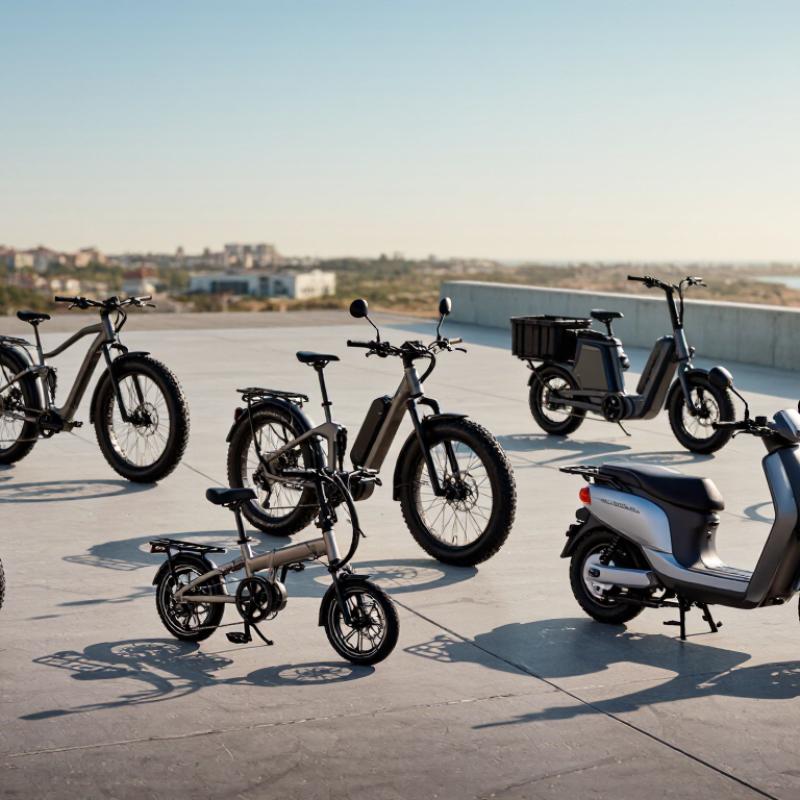
Electric bikes have become a convenient transportation option for commuters, recreational riders, and people looking for energy-efficient mobility. Their performance depends heavily on battery condition, making proper charging an essential part of regular maintenance. Following the correct charging practices can help preserve battery capacity, improve reliability, and reduce the likelihood of premature battery replacement.
Understanding the basics of Charging Bike batteries is important for anyone who wants to maintain an electric bicycle over the long term. Charging habits, storage conditions, charger compatibility, and battery temperature all influence performance. By following manufacturer recommendations and avoiding common mistakes, riders can keep their electric bikes ready for everyday journeys.
Understanding How Electric Bike Batteries Work
Most modern electric bikes use rechargeable lithium-ion batteries because they offer a practical combination of energy capacity, relatively low weight, and rechargeability. These batteries store electrical energy and supply it to the motor through an electronic control system.
A battery management system (BMS) monitors important operating conditions, such as voltage and temperature. Depending on its design, it can help prevent overcharging, excessive discharge, and other conditions that may damage battery cells.
Battery capacity is commonly measured in watt-hours (Wh), while charging performance depends on factors such as battery voltage, charger output, and the battery’s charging characteristics.
Step-by-Step Guide to Charging an Electric Bike
Following a consistent charging routine helps reduce avoidable battery stress and supports dependable operation.
1. Check the Battery Before Charging
Before connecting the charger, inspect the battery for visible damage, unusual swelling, loose connections, or signs of moisture. Do not charge a battery that appears damaged or behaves abnormally.
Make sure the charging port is clean and dry. If you notice corrosion, burning smells, or unusual heat, stop and contact a qualified technician.
2. Use the Manufacturer-Approved Charger
Always use the charger supplied with the electric bike or a replacement specifically approved by its manufacturer. Chargers that differ in voltage, connector configuration, or charging specifications may damage the battery or create safety risks.
Avoid using an unverified charger simply because its connector appears compatible.
3. Connect the Charger Correctly
Follow the instructions in the owner’s manual for connecting the charger. Some manufacturers recommend connecting the charger to the battery first, while others specify a different sequence.
Ensure that the connection is secure and that the charging equipment is placed on a stable, suitable surface.
4. Monitor the Charging Process
Many electric bike chargers include indicator lights that show whether charging is in progress or complete. Some models also display battery information through a control panel or mobile application.
Avoid covering the charger or placing it near flammable materials. Charge the battery in a dry, well-ventilated area and follow the manufacturer’s instructions regarding supervision and disconnection.
5. Disconnect After Charging
Once the charging cycle is complete, disconnect the equipment according to the manufacturer’s procedure. Avoid leaving the battery connected for extended periods unless the manufacturer specifically permits it.
Store the charger safely and check that the charging port is protected from dirt and moisture.
Best Charging Habits for Longer Battery Life
Lithium-ion batteries gradually lose capacity through normal use and aging. Good charging habits can help reduce unnecessary stress and support more consistent performance.
Avoid Frequent Deep Discharges
Allowing a battery to become completely depleted on a regular basis can increase stress on its cells. Whenever practical, recharge before the battery reaches an extremely low level.
There is no universal charging percentage suitable for every electric bike, so riders should follow the battery manufacturer’s recommendations.
Do Not Assume Every Charge Must Reach 100%
Some battery manufacturers recommend avoiding repeated full charges when maximum range is not required. Charging to a moderate level may help reduce battery stress in certain circumstances.
However, charging recommendations vary by battery design and BMS configuration. Consult the owner’s manual rather than applying a general percentage rule to every model.
Avoid Excessive Heat and Cold
Temperature has a significant effect on battery performance and charging safety. Charging a battery that is too hot or too cold may reduce efficiency or cause damage.
Allow a battery to return to the recommended charging temperature after a demanding ride or exposure to extreme weather.
Follow a Consistent Routine
Regular charging based on actual travel requirements is generally more practical than repeatedly allowing the battery to become completely depleted. Avoid unnecessary charging cycles and use the manufacturer’s recommended storage procedures when the bike will remain unused.
Common Electric Bike Charging Mistakes to Avoid
Certain habits can shorten battery life or create avoidable safety concerns.
- Using incompatible chargers: Incorrect voltage or charging specifications can damage battery components.
- Charging a wet battery: Moisture near electrical connections can create safety hazards.
- Ignoring physical damage: Swelling, cracks, and unusual odors require professional attention.
- Charging in extreme temperatures: Conditions outside the recommended range can affect battery health.
- Blocking ventilation: Chargers need appropriate airflow to operate safely.
- Ignoring warning indicators: Unusual charging behavior should be investigated rather than overlooked.
- Using damaged cables: Frayed wires or loose connectors should be replaced with approved equipment.
Developing safe charging habits is particularly important for people who charge their electric bikes inside homes, apartments, or shared buildings.
How Long Does an Electric Bike Take to Charge?
Charging time depends on battery capacity, the charger’s output, the battery’s current charge level, and the charging system’s design.
A smaller battery paired with a compatible higher-output charger may recharge faster than a larger battery using a lower-output charger. However, the battery management system may regulate charging speed to protect the cells.
For a more accurate estimate, check the manufacturer’s stated charging time and technical specifications. Avoid using a charger with higher output than recommended just to shorten the charging process.
Proper Battery Storage Between Rides
Storage practices are important when an electric bike is not being used regularly. Leaving a battery completely depleted for an extended period can create problems, while storing it continuously at full charge may also contribute to aging in some battery designs.
For longer periods without use:
- Follow the manufacturer’s recommended storage charge level.
- Keep the battery in a cool, dry location within its specified temperature range.
- Avoid direct sunlight and excessive humidity.
- Check the battery periodically and recharge when instructed.
- Keep the battery away from combustible materials and sources of heat.
If the battery is removable, store it according to the manufacturer’s guidance rather than leaving it exposed to unsuitable outdoor conditions.
Signs That an Electric Bike Battery Needs Attention
Even with careful maintenance, rechargeable batteries gradually lose capacity. Recognizing changes in performance can help riders address problems before they become more serious.
Common warning signs include:
- Noticeably reduced travel range
- Longer or inconsistent charging times
- Unexpected battery shutdowns
- Unusual heat during normal operation
- Error messages or warning indicators
- Visible swelling or physical damage
A reduction in range may result from battery aging, but it can also be influenced by tire pressure, riding conditions, temperature, and motor settings. A qualified technician can help identify the actual cause.
A swollen, leaking, or unusually hot battery should not be charged or used. Seek professional assistance and follow local battery disposal and recycling requirements.
Additional Maintenance Tips for Better Performance
Battery care works best when combined with general electric bike maintenance. Mechanical problems can increase energy consumption and reduce the distance a bike travels on a single charge.
- Maintain recommended tire pressure to reduce rolling resistance.
- Keep the chain clean and lubricated where applicable.
- Check the brakes for excessive friction or wear.
- Inspect electrical connections and cables regularly.
- Avoid carrying loads beyond the manufacturer’s limit.
- Keep the motor and battery housing clean using approved methods.
These simple checks can help maintain efficiency and provide a smoother riding experience.
Conclusion
Proper charging is essential for maintaining electric bike battery health, reliable performance, and long-term usability. Using an approved charger, following temperature guidelines, avoiding unnecessary deep discharges, and storing the battery correctly can help reduce preventable wear.
Every electric bike has specific charging requirements, so the manufacturer’s instructions should always take priority over general advice. With consistent care and regular inspections, riders can protect their battery investment and enjoy dependable transportation for years to come.