
Efficient material transportation is a fundamental requirement in modern industrial operations. Manufacturing plants, mining facilities, cement factories, agricultural businesses, and bulk terminals all depend on reliable systems to move raw materials and finished products between different processing stages. As production demands increase, businesses need equipment that can handle larger material volumes while maintaining consistent performance and controlling operating expenses.
Modern material handling technology has introduced more efficient ways to transport materials across industrial facilities. A well-designed Conveying Device can simplify material movement, reduce manual handling, and improve coordination between different production processes. By combining mechanical engineering with automation and improved control systems, modern conveying solutions help industries maintain productive and organized operations.
Understanding Industrial Conveying Devices
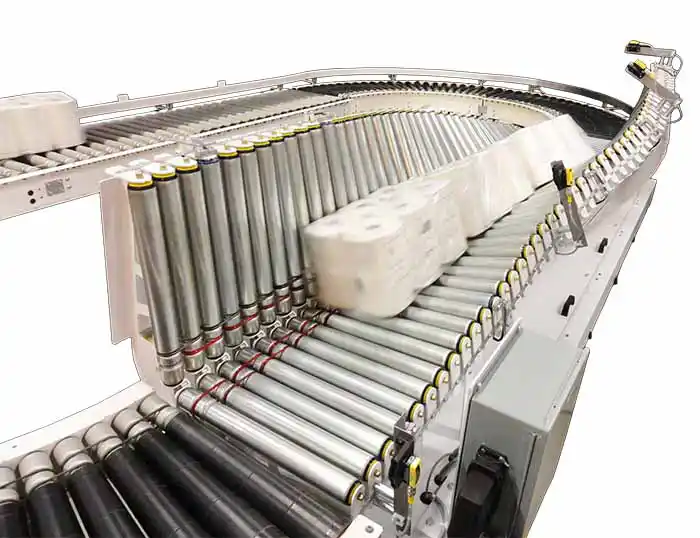
A conveying device is a mechanical or automated system designed to transport materials from one location to another. Depending on the application, it may handle loose bulk materials, powders, granular products, packaged goods, or heavy industrial components.
These devices are available in different configurations to accommodate specific transportation requirements. Some are designed for horizontal movement, while others can transfer materials vertically or along inclined paths.
Industrial conveying systems generally consist of several components, including motors, drive mechanisms, supporting structures, moving elements, and material loading and discharge arrangements.
Their design depends on factors such as material properties, transportation distance, required capacity, and environmental conditions.
Common Types of Conveying Devices Used in Industry
Different industries require different conveying technologies. Selecting an appropriate system depends on the type of material being handled and the production environment.
1. Belt Conveyors
Belt conveyors use a continuous moving belt to transport materials between designated points. They are widely used in mining, cement manufacturing, ports, warehouses, and production facilities.
Their ability to handle substantial material volumes makes them suitable for continuous industrial operations.
2. Screw Conveyors
Screw conveyors use rotating helical flights to move powders, granules, and other bulk materials through a trough or enclosed housing.
They are commonly used for handling cement, grain, fertilizers, and industrial powders. Their compact construction also makes them useful where installation space is limited.
3. Bucket Elevators
Bucket elevators are designed to transport bulk materials vertically or at steep inclines.
They use buckets attached to a belt or chain to lift materials from lower levels to elevated storage or processing equipment.
These systems are frequently used in grain processing, cement plants, and fertilizer production facilities.
4. Chain Conveyors
Chain conveyors rely on industrial chains to move heavy products or materials through demanding working environments.
They are suitable for applications involving substantial loads, elevated temperatures, or challenging operating conditions.
5. Pneumatic Conveying Systems
Pneumatic conveying devices use air pressure or vacuum technology to transport suitable powders and granular materials through enclosed pipelines.
They are particularly useful when materials need to move through complex routes or when enclosed transportation is important for controlling dust and contamination.
How Modern Conveying Devices Improve Industrial Efficiency
1. Faster Material Transportation
One of the most important advantages of modern conveying equipment is its ability to maintain continuous material movement.
Traditional transportation methods may require repeated loading, unloading, and manual coordination. These activities can increase handling time and interrupt production schedules.
Modern conveying systems establish consistent transportation routes that help materials move efficiently between different operational stages.
This improves workflow coordination and reduces unnecessary waiting periods.
2. Reduced Manual Labor
Manual material transportation can be physically demanding and time-consuming, especially in facilities handling heavy or large quantities of materials.
Automated conveying devices reduce the need for repetitive lifting, carrying, and material movement.
Operators can monitor equipment performance and manage transportation processes through control systems, allowing employees to focus on other important production activities.
3. Improved Material Flow Control
Consistent material flow is essential for maintaining production stability.
Modern conveying devices can incorporate adjustable operating speeds, sensors, and automated controls to regulate transportation according to production requirements.
This helps prevent material accumulation, supply interruptions, and unnecessary congestion between processing stages.
4. Better Integration With Industrial Equipment
Conveying systems are often connected to crushers, mixers, storage silos, packaging machines, and processing equipment.
Modern designs make it easier to integrate different components into coordinated material handling networks.
When properly configured, these systems reduce unnecessary material transfers and help maintain a continuous production sequence.
Benefits of Using Advanced Conveying Technology
Increased Production Capacity
Conveying devices designed for continuous operation can transport large material volumes with fewer interruptions.
This makes it easier for industrial facilities to maintain production targets and handle changing operational demands.
Lower Operating Expenses
Automated material transportation can reduce labor requirements and limit dependence on mobile handling equipment.
Efficient system design can also help control electricity consumption, material loss, and maintenance expenses.
Improved Workplace Organization
Dedicated transportation routes help create more organized industrial environments.
They reduce unnecessary movement of materials across working areas and can improve the arrangement of storage and processing equipment.
Reduced Material Spillage
Enclosed conveying arrangements and properly designed transfer points help minimize material leakage during transportation.
This is particularly important when handling fine powders, dusty materials, or products that require controlled environmental conditions.
Greater Operational Flexibility
Different conveyor configurations can accommodate various material types, transportation distances, and installation layouts.
This flexibility allows businesses to select equipment that matches their existing infrastructure and future production requirements.
Important Factors When Selecting a Conveying Device
Choosing suitable equipment requires a detailed assessment of operational conditions. A system that performs well in one industry may not be appropriate for another.
Material Properties
The physical and chemical characteristics of the transported material should be evaluated carefully.
Important factors include:
- Particle size and shape.
- Bulk density and weight.
- Moisture content and flowability.
- Abrasiveness and corrosiveness.
- Operating temperature.
- Dust generation and contamination sensitivity.
For example, abrasive minerals may require wear-resistant components, while fine powders may benefit from enclosed conveying arrangements.
Transportation Capacity
The selected device should accommodate the facility’s expected material throughput.
Capacity requirements depend on production volume, transportation speed, operating hours, and material characteristics.
Businesses should also consider peak demand and possible future production expansion.
Installation Space and Layout
Available space can influence equipment configuration and installation costs.
The distance between loading and discharge points, vertical elevation changes, structural supports, and connections with existing machinery should all be considered.
A detailed site assessment helps ensure that the selected equipment fits the operational environment.
Energy Consumption
Energy efficiency is an important factor in long-term equipment performance.
Modern motors, variable-frequency drives, and optimized mechanical designs can help reduce unnecessary power consumption.
Selecting an appropriately sized conveying system is equally important because oversized equipment may increase operating expenses without providing meaningful productivity improvements.
Durability and Maintenance
Industrial conveying devices often operate under demanding conditions involving continuous movement, heavy loads, and material abrasion.
Before selecting equipment, businesses should evaluate component quality, expected service life, maintenance accessibility, and spare parts availability.
A system designed for straightforward inspection and servicing can help reduce unexpected downtime.
The Role of Automation in Modern Material Transportation
Automation is transforming industrial material handling by allowing different equipment components to operate as coordinated systems.
Modern conveying installations may incorporate programmable logic controllers, variable-speed drives, sensors, and centralized monitoring platforms.
These technologies support several important functions:
- Monitoring conveyor speed and operating conditions.
- Detecting abnormal vibration and motor temperature.
- Regulating material flow according to production demand.
- Identifying belt misalignment or mechanical faults.
- Coordinating multiple conveying systems.
- Supporting preventive and predictive maintenance.
Automated monitoring also gives operators better visibility into equipment performance, helping them identify problems before they significantly affect production.
Safety and Environmental Considerations
Industrial conveying devices contain moving mechanical components that require appropriate safety measures.
Protective guards, emergency stop switches, warning systems, and suitable maintenance access arrangements help reduce operational risks.
Employee training is equally important, particularly for personnel responsible for operating, inspecting, and servicing the equipment.
Environmental protection should also be considered during system selection. Dust collection equipment, enclosed transfer points, belt cleaning mechanisms, and suitable material containment arrangements can help reduce workplace dust and material spillage.
For facilities handling combustible powders or hazardous materials, additional engineering controls and applicable safety standards may be necessary.
Maintenance Practices for Long-Term Equipment Performance
Regular maintenance is essential for keeping conveying devices reliable and efficient.
A preventive maintenance program should include:
- Inspecting belts, chains, screws, and other material-moving components for wear.
- Checking motors, bearings, pulleys, and gearboxes.
- Monitoring equipment vibration, temperature, and unusual operating noise.
- Cleaning accumulated material from transfer points and equipment housings.
- Inspecting electrical connections and control systems.
- Testing emergency stops and other protective devices.
Maintenance schedules should follow manufacturer recommendations and reflect actual operating conditions.
Identifying minor problems early can help prevent major equipment failures and costly production interruptions.
Future Developments in Industrial Conveying Technology
Industrial material transportation continues to evolve as manufacturers adopt more advanced automation and monitoring technologies.
Smart sensors and connected control platforms are making it easier to monitor equipment performance in real time. Predictive maintenance tools can also analyze operating data to identify unusual conditions and support more informed maintenance planning.
Other developments include improved energy-efficient motors, advanced wear-resistant materials, modular equipment designs, and better integration with centralized production systems.
These innovations are helping industrial facilities improve material handling reliability while making more efficient use of labor, energy, and available space.
Conclusion
Modern conveying devices play an important role in improving material transportation across industrial applications. By providing continuous movement, reducing manual handling, improving material flow control, and integrating with automated production systems, they help businesses achieve more efficient operations.
However, selecting the right equipment requires careful consideration of material characteristics, transportation capacity, installation requirements, energy efficiency, and maintenance needs.
When supported by appropriate automation, preventive maintenance, and safety measures, modern conveying technology can improve productivity, reduce operating expenses, and support reliable long-term industrial performance.