
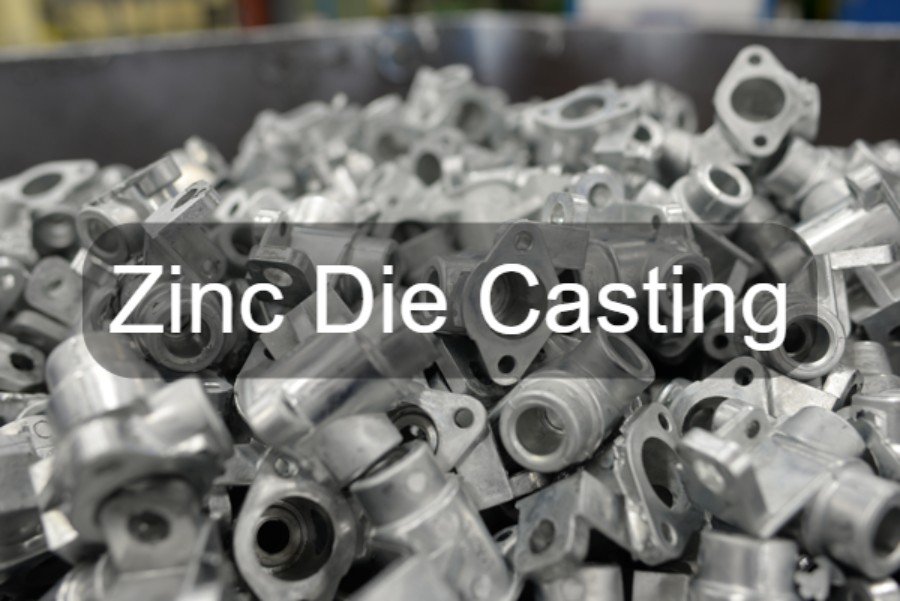
Modern manufacturing requires metal components that combine dimensional accuracy, durability, intricate designs, and cost-effective production. Industries such as automotive, electronics, telecommunications, and consumer goods depend on precision manufacturing processes to create parts that meet increasingly demanding engineering requirements. Metal casting provides an effective way to manufacture components in different shapes and sizes, with zinc alloys offering several advantages for applications that require fine details and consistent dimensions.
Zinc Casting is a metal manufacturing process in which molten zinc or a zinc-based alloy is poured or injected into a mold to create a component with a specified shape. Zinc alloys are valued for their excellent castability, relatively low melting temperatures, dimensional stability, and ability to reproduce intricate features. These characteristics make zinc casting particularly useful for manufacturing precision components in medium- and high-volume production environments.
What Is Zinc Casting?
Zinc casting is a manufacturing method used to produce metal components from zinc and zinc-based alloys. The molten material is introduced into a mold cavity, where it cools and solidifies into the required shape.
For many precision applications, zinc is processed through high-pressure die casting. In this process, molten zinc alloy is injected into a reusable steel die under pressure. The metal quickly fills the cavity, allowing manufacturers to produce components with detailed geometries, relatively thin walls, and consistent dimensions.
Zinc casting is commonly used to manufacture:
- Automotive hardware and fittings
- Electrical connectors and components
- Locking mechanisms and door hardware
- Appliance parts
- Decorative metal components
- Electronic equipment housings
- Precision brackets and mounting components
- Industrial machine fittings
The choice of zinc alloy and casting method depends on the component’s required strength, appearance, operating conditions, and production volume.
How the Zinc Casting Process Works
Zinc casting involves several stages that must be carefully managed to achieve reliable results.
1. Mold Design and Preparation
The process begins with designing a mold according to the component’s dimensions and geometry.
In die casting, the mold is usually made from durable tool steel and contains a cavity that defines the final part shape. The design may include gates, runners, vents, cooling arrangements, and ejector mechanisms.
Before production, the mold is cleaned, inspected, and prepared for casting.
2. Melting the Zinc Alloy
Zinc alloy is heated in a suitable furnace until it reaches the required molten condition.
Because zinc alloys generally have relatively low melting temperatures compared with aluminum and many other engineering metals, they can be processed with comparatively lower thermal demands on the tooling.
Material composition and melt temperature must still be controlled to maintain consistent casting behavior.
3. Filling the Mold
In high-pressure zinc die casting, molten alloy is injected into the mold cavity at controlled speed and pressure.
The metal flows through the runner and gate system, filling the cavity before solidification begins. Proper injection settings help reproduce small details and reduce incomplete filling.
4. Cooling and Solidification
After the cavity is filled, the zinc alloy cools and solidifies.
The mold’s temperature, cooling arrangement, and component geometry influence the solidification process. Controlled cooling helps maintain dimensional stability and reduce the likelihood of casting defects.
5. Ejection and Trimming
Once the casting has solidified, the mold opens and ejector pins release the finished component.
Excess material from gates and runners is removed through trimming. The part may then undergo cleaning, deburring, or other finishing operations.
6. Finishing and Quality Inspection
Depending on the application, zinc castings may receive polishing, plating, painting, or protective coatings.
Quality inspection helps confirm that the finished component meets its dimensional, surface, and functional requirements. Common checks include visual inspection, dimensional measurement, and mechanical testing where necessary.
Major Benefits of Zinc Casting
Zinc casting offers several advantages that make it suitable for manufacturing complex and precision metal components.
1. Excellent Dimensional Accuracy
One of the main benefits of zinc casting is its ability to produce components with consistent dimensions.
Zinc alloys used in die casting can reproduce detailed mold features and maintain relatively tight dimensional tolerances. This can reduce the amount of secondary machining needed for many components.
Accurate dimensions are particularly important for parts that must fit into assemblies containing multiple mechanical or electrical elements.
2. Ability to Produce Complex Shapes
Zinc alloys offer excellent castability, allowing molten material to flow into intricate mold sections.
This supports the production of components with thin walls, small openings, detailed patterns, and integrated mounting features. Complex geometries may be produced as a single casting rather than assembled from several separate pieces.
3. Good Surface Finish
Zinc die castings can achieve smooth surfaces directly from the mold.
This can reduce finishing requirements and make the process suitable for visible hardware, decorative components, and consumer products. Additional treatments such as electroplating, polishing, and painting can further improve appearance or provide specific surface properties.
4. Efficient High-Volume Production
Zinc die casting uses reusable metal tooling and can support rapid production cycles.
Once the mold has been developed and the process settings are established, manufacturers can produce large quantities of consistent components. This makes the process attractive for applications with repeated production requirements.
5. Relatively Low Melting Temperature
Zinc alloys generally melt at lower temperatures than aluminum and many other engineering metals.
This can reduce the thermal demands placed on casting equipment and tooling. It also supports relatively fast production cycles in suitable die casting applications.
6. Good Strength and Toughness
Many zinc die casting alloys provide useful mechanical strength and impact resistance for their intended applications.
These properties make them suitable for hardware, fittings, enclosures, and selected mechanical components. The specific performance depends on the alloy grade, casting quality, and operating conditions.
7. Good Finishing and Plating Characteristics
Zinc castings can be suitable for a range of surface treatments.
Electroplating, painting, powder coating, and other finishing processes can improve appearance, corrosion protection, or surface functionality when properly selected and applied.
8. Material Efficiency
Zinc die casting can produce near-net-shape components, reducing the amount of material removed during machining.
The process may also allow multiple features to be integrated into one component, helping reduce assembly operations and the need for separate fasteners.
Common Applications of Zinc Casting
Zinc casting is used across industries that require detailed components, repeatable dimensions, and reliable production.
Automotive Industry
Automotive manufacturers use zinc castings for selected handles, brackets, connectors, locking components, and interior hardware.
The process is suitable for smaller parts requiring detailed features and consistent dimensions. Material selection depends on the mechanical loads, environmental exposure, and functional requirements of each component.
Electrical and Electronics Industry
Electrical equipment often contains small components that require accurate geometry and dependable assembly.
Zinc castings are used for connectors, terminal components, shielding parts, and selected housings. Their ability to reproduce intricate features makes them useful for compact product designs.
Consumer Appliances
Appliances require components that combine functional performance with consistent appearance.
Zinc casting can be used for knobs, handles, hinges, brackets, and internal mechanisms. Smooth surfaces and plating options make it suitable for selected visible parts.
Telecommunications Equipment
Telecommunications products may require small metal components for mounting, shielding, and mechanical support.
Zinc castings can provide detailed shapes and repeatable dimensions for suitable applications.
Furniture and Architectural Hardware
Furniture fittings, locks, handles, hinges, and decorative hardware often require detailed designs and attractive surface finishes.
Zinc casting allows manufacturers to produce these components with integrated features and a variety of finishing options.
Industrial Machinery
Industrial equipment may use zinc castings for selected control components, fittings, brackets, and mechanical hardware.
Their suitability depends on load requirements, wear conditions, and the operating environment.
Materials and Alloys Used in Zinc Casting
The properties of a zinc casting depend largely on the selected alloy.
Zamak Alloys
Zamak is a family of zinc-based alloys that typically contain aluminum, magnesium, and copper in varying proportions.
Common grades include:
- Zamak 2: Offers relatively high strength and hardness among common Zamak grades.
- Zamak 3: Widely used because of its balance of castability, dimensional stability, and mechanical properties.
- Zamak 5: Contains more copper than Zamak 3 and can provide higher strength and hardness.
- Zamak 7: Offers good fluidity and is used for applications requiring detailed casting features.
The appropriate grade depends on the component’s mechanical requirements, dimensional needs, and finishing specifications.
ZA Alloys
ZA alloys contain higher aluminum content than conventional Zamak grades.
They may offer increased strength, hardness, or wear resistance in suitable applications. Their processing requirements and performance characteristics differ from standard zinc die casting alloys.
Zinc Casting Compared With Other Metal Casting Processes
Selecting the right casting process depends on the component’s design, material requirements, production volume, and budget.
Zinc Casting vs. Aluminum Casting
Zinc alloys generally offer excellent castability and are particularly suitable for smaller, detailed components requiring high dimensional accuracy.
Aluminum alloys have a lower density and are often preferred for larger components where weight reduction and thermal conductivity are important.
Zinc Casting vs. Magnesium Casting
Magnesium is lighter than zinc and can be useful where reducing component weight is a major priority.
Zinc offers different advantages, including excellent castability, useful impact properties in suitable alloys, and good finishing characteristics. The choice depends on the required mechanical performance and application.
Zinc Die Casting vs. Sand Casting
Sand casting uses expendable sand molds and is suitable for a wide range of component sizes and production quantities.
Zinc die casting uses reusable metal tooling and is generally more appropriate for producing smaller, detailed components in repeated production runs.
Zinc Die Casting vs. CNC Machining
CNC machining removes material from a solid workpiece to create the required shape.
It is useful for prototypes, low-volume production, and highly precise features. Zinc die casting can be more efficient for higher-volume production of complex near-net-shape components, although critical surfaces may still require machining.
Factors That Influence Zinc Casting Quality
Producing reliable zinc castings requires attention to material quality, tooling design, and process conditions.
1. Alloy Composition
The chemical composition of the zinc alloy influences its strength, hardness, fluidity, and dimensional stability.
Manufacturers should select an alloy that meets the component’s functional and environmental requirements.
2. Mold Design
The mold cavity must be designed to support proper metal flow and complete filling.
Gate placement, venting, cooling channels, and ejector locations all influence the quality of the final casting.
3. Injection Pressure and Speed
In high-pressure die casting, injection pressure and speed determine how molten metal fills the cavity.
Incorrect settings can contribute to air entrapment, incomplete filling, or surface imperfections. Consistent process control helps reduce these risks.
4. Temperature Management
The temperature of the molten alloy and the mold affects filling and solidification.
Suitable temperature control supports consistent casting behavior and helps reduce defects caused by premature cooling or excessive thermal conditions.
5. Tooling Maintenance
Repeated production cycles can cause wear, erosion, and surface damage to the mold.
Regular cleaning, inspection, and maintenance help preserve cavity accuracy and maintain consistent product quality.
6. Quality Inspection
Inspection procedures should reflect the component’s intended application.
Dimensional measurement, visual checks, mechanical testing, and surface evaluation can help verify that castings meet the required specifications.
Common Defects in Zinc Casting and How to Prevent Them
Although zinc casting offers excellent production capabilities, manufacturing defects can occur when process conditions are not properly controlled.
Porosity: Small cavities may form because of trapped gas or shrinkage. Appropriate venting, controlled injection, and stable process conditions help reduce this risk.
Cold shuts: These occur when separate streams of molten metal meet but fail to fuse properly. Correct metal temperature and injection speed help improve mold filling.
Flash: Excess metal may escape through gaps between mold sections. Proper die alignment, clamping pressure, and tooling maintenance help control flash formation.
Surface imperfections: Flow marks, blisters, or irregularities may affect the casting’s appearance. Clean molten metal, suitable die temperatures, and proper mold maintenance contribute to better surface quality.
Dimensional variation: Changes in mold temperature, tooling wear, and process settings can affect final dimensions. Routine measurement and process monitoring help maintain consistency.
How to Choose a Reliable Zinc Casting Manufacturer
Selecting an experienced manufacturer is important for achieving consistent component quality and efficient production.
Consider the following factors when evaluating a supplier:
- Alloy expertise: Confirm that the manufacturer understands the properties and applications of different zinc alloy grades.
- Tooling capabilities: Review experience in die design, mold manufacturing, and tooling maintenance.
- Production equipment: Check whether available casting machines are suitable for the component’s size and complexity.
- Quality control: Ask about dimensional inspection, material verification, and defect detection procedures.
- Surface finishing: Determine whether polishing, plating, painting, or other finishing operations are available.
- Production capacity: Ensure that the supplier can support expected order volumes and delivery requirements.
- Engineering support: A capable manufacturer should be able to assess component designs and recommend practical improvements.
An experienced manufacturing partner can help identify suitable alloys, optimize component geometry, and improve the overall efficiency of the production process.
Conclusion
Zinc casting is an effective manufacturing solution for producing complex and precision metal components. Its excellent castability, dimensional accuracy, smooth surface finish, and suitability for high-volume production make it valuable across automotive, electronics, consumer goods, telecommunications, and industrial hardware applications.
By selecting the appropriate zinc alloy, designing accurate molds, controlling injection conditions, and maintaining consistent quality inspection, manufacturers can produce reliable components with detailed geometries and repeatable dimensions. As demand for compact and precisely engineered products continues to grow, zinc casting remains an important process for modern metal manufacturing.