
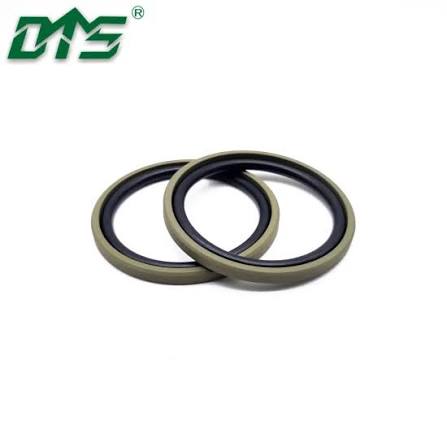
Hydraulic and pneumatic systems are widely used in industrial machinery, construction equipment, manufacturing facilities, and automated production lines. These systems rely on controlled fluid or compressed air movement to generate force and perform mechanical operations. However, leakage can reduce pressure, affect equipment performance, increase operating costs, and create maintenance challenges.
Sealing components are essential for maintaining the efficiency and reliability of these systems. DMS Seals are relevant to understanding the role of industrial sealing solutions in controlling leakage, protecting internal components, and maintaining stable operating conditions. Selecting appropriate seals helps equipment operators reduce fluid loss, prevent air escape, and improve overall system performance.
Understanding Leakage in Hydraulic and Pneumatic Systems
Leakage occurs when liquids or gases escape from their intended pathways through gaps, damaged connections, or worn sealing components. Although the underlying causes may differ, both hydraulic and pneumatic systems require effective sealing to maintain their operating pressure.
Leakage in Hydraulic Systems
Hydraulic systems use pressurized liquids, usually hydraulic oil, to transmit power and operate machinery. Leakage can occur around pistons, cylinders, valves, pumps, pipe connections, and rotating shafts.
Even minor fluid loss can affect system pressure and reduce the force available for mechanical operations. Significant leakage may also increase fluid consumption and create workplace safety concerns.
Leakage in Pneumatic Systems
Pneumatic systems use compressed air to operate cylinders, valves, actuators, and automated machinery. Air leakage can occur through damaged seals, loose fittings, worn hoses, and poorly maintained connections.
Unlike hydraulic leakage, pneumatic leakage may not always be immediately visible. However, escaping compressed air can cause pressure drops, longer operating cycles, and increased energy consumption.
How DMS Seals Help Prevent Leakage
Seals create protective barriers between connected machine components. Their primary function is to control the movement of liquids and gases while allowing equipment to perform its intended mechanical operations.
Several sealing mechanisms contribute to leakage prevention.
1. Creating a Reliable Sealing Barrier
Sealing components are designed to fill the small spaces between connected surfaces. When correctly installed, they prevent fluids or gases from passing through these gaps.
In hydraulic cylinders, seals help contain pressurized oil around pistons and rods. In pneumatic equipment, they prevent compressed air from escaping through moving or stationary connections.
2. Maintaining Operating Pressure
Pressure is essential for the performance of both hydraulic and pneumatic equipment. Leakage can cause pressure fluctuations that affect machine movement and operating accuracy.
Properly selected seals help maintain pressure within the system, allowing cylinders, actuators, and other components to function consistently.
3. Supporting Moving Components
Many hydraulic and pneumatic systems contain components that move repeatedly during operation. These include pistons, rods, shafts, and actuators.
Dynamic seals are designed to maintain contact with moving surfaces while controlling leakage. Their material and design must accommodate friction, movement speed, pressure, and temperature.
4. Preventing External Contamination
Leakage prevention is not the only purpose of industrial seals. They also help prevent dust, moisture, dirt, and other contaminants from entering mechanical systems.
This protection is especially important in construction machinery, agricultural equipment, and manufacturing environments where external contamination is common.
Types of Seals Used in Hydraulic Systems
Hydraulic equipment requires different sealing components depending on its design, pressure requirements, and operating conditions.
Piston Seals
Piston seals are installed around pistons inside hydraulic cylinders. They prevent hydraulic fluid from passing between the piston and cylinder wall.
Their performance directly affects pressure retention and the efficiency of cylinder movement.
Rod Seals
Rod seals are installed around the piston rod where it exits the hydraulic cylinder. Their main purpose is to prevent hydraulic fluid from leaking outside the cylinder during movement.
They must withstand repeated friction and pressure changes while maintaining effective contact with the rod surface.
Wiper Seals
Wiper seals, also known as scraper seals, help prevent dust, dirt, moisture, and other external contaminants from entering hydraulic cylinders.
They are particularly useful in machinery operating in dusty or outdoor environments.
Guide Rings
Guide rings support moving components by helping maintain alignment between the piston or rod and the cylinder. Although they are not primarily designed to prevent leakage, they help reduce uneven contact and wear that could damage sealing components.
O-Rings
O-rings are commonly used in static hydraulic connections and certain dynamic applications. Their circular design allows them to create a seal when compressed between connected surfaces.
They are widely used in valves, pumps, fittings, and hydraulic assemblies.
Types of Seals Used in Pneumatic Systems
Pneumatic equipment requires sealing solutions capable of maintaining compressed air pressure while accommodating repeated mechanical movement.
Piston Seals
Pneumatic piston seals prevent compressed air from passing between the piston and cylinder wall. They help maintain the pressure difference required to generate movement.
Rod Seals
Rod seals prevent compressed air from escaping around the piston rod as it moves through the cylinder opening. Their design must accommodate continuous movement and minimize friction.
Static Seals
Static seals are used between stationary components, including fittings, valve housings, and connected surfaces. They help prevent air leakage at fixed joints.
Cushion Seals
Some pneumatic cylinders use cushioning arrangements to reduce impact at the end of a stroke. Specialized sealing elements may form part of these arrangements, helping control air movement and improve operating performance.
Key Factors That Influence Seal Performance
Selecting an appropriate seal requires an understanding of the conditions in which the hydraulic or pneumatic system operates. Several factors can influence sealing effectiveness.
Operating Pressure
Every seal has specific pressure limitations. Hydraulic systems often operate under considerably higher pressures than pneumatic systems, making pressure compatibility an important selection factor.
A seal that cannot withstand the required pressure may deform, become damaged, or allow leakage.
Temperature Conditions
Temperature affects the physical properties of sealing materials. Excessive heat can cause hardening or deterioration, while low temperatures may reduce flexibility.
The selected material should remain suitable throughout the equipment’s expected operating temperature range.
Material Compatibility
Seals are manufactured from different materials, including nitrile rubber, polyurethane, fluorocarbon, silicone, and PTFE.
Each material has different characteristics:
- Nitrile rubber (NBR): Commonly used in applications involving mineral oils and hydraulic fluids.
- Polyurethane (PU): Offers good abrasion resistance and mechanical strength.
- Fluorocarbon (FKM): Provides resistance to many chemicals and elevated temperatures.
- PTFE: Offers low friction and broad chemical resistance.
- Silicone: Provides flexibility across a wide temperature range, although its suitability depends on the application.
Material selection should consider the working fluid, pressure, temperature, and movement involved.
Surface Finish and Component Alignment
The surfaces that contact sealing components must meet appropriate dimensional and finish requirements. Scratches, corrosion, and rough surfaces can create leakage paths.
Misalignment between moving components can also produce uneven pressure on seals, increasing wear and reducing their effectiveness.
Common Causes of Leakage in Hydraulic and Pneumatic Systems
Even reliable sealing components can experience problems when equipment is incorrectly installed or operated outside recommended conditions.
Some common causes include:
1. Seal Wear and Aging
Continuous movement and friction gradually affect sealing materials. Over time, components may lose their flexibility and ability to maintain effective contact.
2. Incorrect Installation
Twisting, stretching, cutting, or damaging a seal during installation can compromise its performance. Incorrect positioning may also create gaps through which fluids or air can escape.
3. Excessive Pressure
Operating beyond the recommended pressure range can cause seals to deform or move out of their intended position.
4. Chemical Incompatibility
Certain hydraulic fluids, cleaning agents, and industrial chemicals can damage unsuitable sealing materials. Swelling, cracking, and hardening may eventually lead to leakage.
5. Contaminated Systems
Dirt, metal particles, and other contaminants can damage sealing surfaces. These particles may also increase friction and accelerate component wear.
6. Improper Lubrication
Insufficient lubrication in dynamic applications can increase friction and heat, shortening the service life of sealing components.
Best Practices for Preventing Leakage
Preventing leakage requires more than selecting suitable seals. Proper installation, equipment inspection, and maintenance are equally important.
Industrial operators can follow several practices to improve sealing performance:
- Select seals according to the system’s pressure and temperature requirements.
- Confirm material compatibility with hydraulic fluids, compressed air environments, and other operating substances.
- Inspect pistons, rods, cylinders, and sealing surfaces before installation.
- Follow recommended installation procedures and use appropriate tools.
- Keep sealing components and surrounding surfaces clean.
- Check hydraulic systems for visible fluid leakage and pneumatic systems for escaping air.
- Replace worn or damaged seals before they cause additional equipment problems.
- Follow manufacturer recommendations for inspection intervals and replacement procedures.
Regular monitoring can help maintenance teams identify potential problems before they develop into major equipment failures.
Signs That Hydraulic or Pneumatic Seals Need Replacement
Recognizing early warning signs can help prevent unexpected downtime and expensive repairs.
In hydraulic systems, common indicators include visible oil leakage, reduced cylinder force, slow movement, and inconsistent pressure.
In pneumatic systems, warning signs may include continuous air leakage, reduced actuator speed, unusual compressor activity, and difficulty maintaining the required pressure.
Other possible indicators include excessive heat, unusual noise, and visible damage around sealing areas.
When these symptoms appear, maintenance personnel should inspect the entire assembly rather than automatically replacing the seal. Damaged rods, cylinder walls, fittings, and other mechanical components may also contribute to leakage.
Benefits of Effective Sealing in Industrial Operations
Reliable sealing solutions provide several advantages for businesses that depend on hydraulic and pneumatic machinery.
Improved Energy Efficiency
Pneumatic leakage forces compressors to produce additional compressed air, increasing energy consumption. Similarly, hydraulic leakage can reduce system efficiency and require additional fluid.
Effective sealing helps minimize these losses.
Reduced Maintenance Costs
Preventing leakage reduces the need for frequent fluid replacement, component repairs, and emergency maintenance.
It can also protect expensive machine parts from damage caused by contamination or inadequate lubrication.
Better Equipment Reliability
Maintaining pressure and preventing contamination support consistent machinery operation. This is particularly important in automated production environments where equipment interruptions can affect entire manufacturing processes.
Longer Service Life
Appropriate seals help protect internal components against wear, friction, and environmental damage. Combined with regular maintenance, this can contribute to longer equipment service life.
Conclusion
DMS seals and other industrial sealing solutions play an important role in preventing leakage in hydraulic and pneumatic systems. By creating reliable barriers, maintaining operating pressure, supporting moving components, and blocking external contaminants, seals help protect machinery and maintain operational efficiency.
Choosing the right sealing material and design requires careful consideration of pressure, temperature, fluid compatibility, movement, and equipment specifications. Proper installation and regular inspection are equally important for achieving dependable results. With suitable sealing components and consistent maintenance practices, industrial facilities can reduce leakage, control operating costs, and improve the reliability of their hydraulic and pneumatic equipment.