
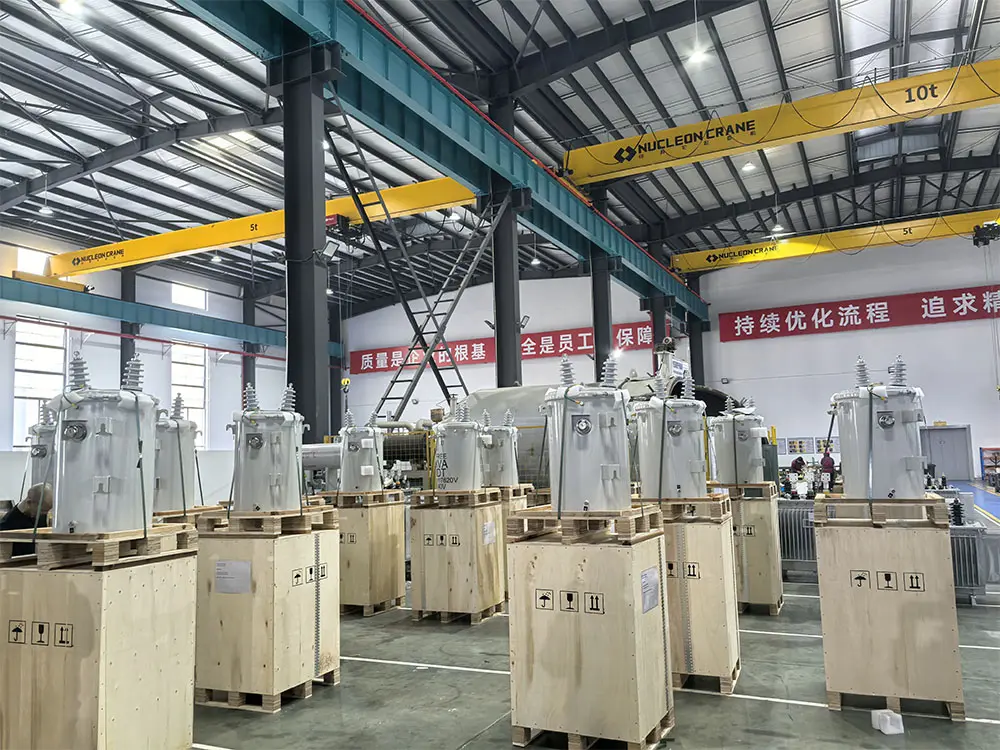
Power transformers operate under continuous electrical, thermal, and mechanical stress. Over time, these conditions can contribute to insulation deterioration, overheating, partial discharge, and other internal problems. If developing faults remain undetected, they may eventually cause equipment damage, unexpected shutdowns, or costly power interruptions. Identifying early warning signs is therefore an important part of transformer maintenance.
Dga Transformer Monitoring is a diagnostic approach that helps engineers assess the internal condition of oil-filled transformers by analyzing gases dissolved in their insulating oil. These gases can provide valuable information about developing electrical and thermal faults before they become severe. By tracking gas concentrations and changes over time, maintenance teams can make better-informed decisions, improve equipment reliability, and reduce the risk of unexpected failures.
What Is DGA Transformer Monitoring?
Dissolved Gas Analysis (DGA) is a widely used diagnostic technique for evaluating the condition of oil-filled power transformers. During normal operation and certain abnormal conditions, the insulating materials inside a transformer can decompose and release gases.
These gases dissolve in the transformer oil and can be detected through laboratory testing or online monitoring equipment.
DGA transformer monitoring involves measuring and interpreting these gases to identify possible internal problems. The results help engineers understand whether a transformer is operating normally or showing signs of developing faults.
Common gases examined during DGA include:
- Hydrogen (H₂): Often associated with partial discharge and certain electrical faults.
- Methane (CH₄): Can indicate thermal or electrical activity.
- Ethane (C₂H₆): May be associated with lower-temperature thermal faults.
- Ethylene (C₂H₄): Often linked to higher-temperature oil decomposition.
- Acetylene (C₂H₂): Can indicate high-energy electrical discharge, including arcing.
- Carbon monoxide (CO): May indicate deterioration of cellulose-based insulation.
- Carbon dioxide (CO₂): Can provide additional information about paper insulation aging and degradation.
The presence of an individual gas does not automatically confirm a specific fault. Engineers interpret the overall gas pattern, concentrations, generation rates, and operating history.
Why DGA Is Important for Transformer Condition Monitoring
Transformers are major investments in electrical infrastructure, and unexpected failures can have serious operational and financial consequences. Traditional maintenance methods often rely on scheduled inspections and periodic testing. Although these practices remain important, they may not identify every developing internal fault between inspection intervals.
DGA provides an additional diagnostic layer by revealing chemical evidence of internal activity.
Early Fault Identification
Certain internal faults produce gases before visible damage or major operational problems occur. Detecting these changes can help maintenance teams investigate developing issues at an earlier stage.
Reduced Risk of Unexpected Failure
Monitoring gas concentrations helps identify abnormal trends that may require further inspection or corrective action.
Early intervention can reduce the likelihood that a minor problem develops into a serious equipment failure.
Better Maintenance Planning
DGA results provide useful information for deciding when additional testing, inspection, or maintenance may be necessary.
Instead of relying entirely on fixed maintenance schedules, utilities can use condition information to prioritize equipment that requires attention.
Improved Asset Management
Historical gas data helps engineers compare transformer conditions over time. This supports maintenance planning, asset evaluation, and decisions about repair or replacement.
How DGA Transformer Monitoring Works
DGA monitoring generally involves collecting transformer oil samples, measuring dissolved gases, and interpreting the results according to established diagnostic methods.
Oil Sampling
For laboratory analysis, technicians collect an oil sample from a designated sampling valve using suitable procedures and clean sampling equipment.
Proper sampling is important because air contamination, incorrect handling, or unsuitable containers can affect test accuracy.
Gas Extraction and Measurement
In laboratory testing, dissolved gases are extracted from the oil and measured using analytical equipment, commonly gas chromatography.
The analysis identifies individual gases and determines their concentrations, usually expressed in parts per million (ppm).
Data Interpretation
Engineers evaluate the measured gas levels and compare them with relevant standards, historical results, and transformer operating conditions.
Diagnostic techniques may include gas concentration limits, gas ratios, and methods such as the Duval Triangle.
Follow-Up Assessment
If the results indicate unusual gas levels or increasing generation rates, additional testing may be required.
Depending on the findings, engineers may recommend more frequent sampling, electrical testing, an internal inspection, or other corrective measures.
Common Transformer Faults Detected Through DGA
Different internal faults can produce characteristic gas patterns. Understanding these patterns helps engineers identify potential problems and determine appropriate follow-up actions.
Partial Discharge
Partial discharge involves localized electrical discharges that do not completely bridge the insulation between conductors.
It may occur due to insulation defects, voids, contamination, or other weaknesses in the dielectric system. Hydrogen is commonly associated with this type of activity, although other gases may also be present.
If partial discharge continues, it can gradually damage insulation and increase the risk of more serious electrical faults.
Thermal Faults in Transformer Oil
Excessive heating can cause insulating oil to decompose and release gases.
Lower-temperature thermal faults may produce methane and ethane, while higher-temperature conditions can generate greater amounts of ethylene.
Potential causes include poor electrical connections, localized overheating, cooling system problems, and excessive loading.
Electrical Arcing
Arcing is a high-energy electrical discharge that can cause rapid insulation deterioration and significant internal damage.
Acetylene is an important gas associated with arcing in oil-filled transformers. A sudden increase in acetylene concentration should therefore receive careful attention and prompt engineering assessment.
Paper Insulation Deterioration
Transformers often use cellulose-based materials, such as insulating paper and pressboard, to provide electrical insulation.
As these materials age or experience excessive thermal stress, they can release carbon monoxide and carbon dioxide.
Changes in these gases may provide useful information about the condition of solid insulation, although interpretation should consider the transformer’s design, oil preservation system, and operating history.
Online DGA Monitoring vs. Laboratory Testing
DGA can be performed through periodic laboratory analysis or continuous online monitoring. Both approaches provide useful diagnostic information, but they serve different operational purposes.
Laboratory DGA Testing
Laboratory testing involves collecting oil samples at scheduled intervals and sending them for analysis.
Its main advantages include:
- Detailed measurement of multiple dissolved gases.
- Established analytical procedures.
- Opportunities to combine DGA with other oil quality tests.
- Suitability for routine transformer condition assessments.
However, laboratory testing provides results only for the sampling time. Rapid changes occurring between tests may not be detected immediately.
Online DGA Monitoring
Online monitoring systems are installed on transformers to measure selected dissolved gases continuously or at configured intervals.
These systems can provide:
- More frequent information about gas concentration changes.
- Early alerts when monitored gas levels exceed configured limits.
- Trend data for evaluating gas generation rates.
- Support for condition-based maintenance strategies.
- Remote access to transformer diagnostic information when communication systems are available.
Online monitoring can be particularly valuable for critical transformers where unexpected outages would have significant consequences.
Choosing the Appropriate Approach
The choice between laboratory and online DGA depends on transformer importance, operating conditions, maintenance resources, and the required level of diagnostic coverage.
Some utilities use both approaches. Online monitoring helps identify developing trends, while periodic laboratory testing provides broader confirmation and supports detailed oil condition assessment.
Key Benefits of Online DGA Monitoring Systems
Continuous or frequent gas monitoring can improve the way utilities manage important transformer assets.
Faster Awareness of Developing Problems
Online systems can identify changes in monitored gas concentrations without waiting for the next scheduled oil sample.
This allows operators to investigate unusual conditions sooner.
Improved Operational Decisions
Gas trends provide additional information when evaluating whether a transformer should continue operating, undergo further testing, or be taken out of service for inspection.
DGA should support engineering decisions rather than replace other protection and diagnostic systems.
Reduced Maintenance Uncertainty
Monitoring data helps maintenance teams distinguish between stable operating conditions and developing abnormalities.
This can make inspection planning more targeted and efficient.
Better Transformer Availability
Identifying potential faults before they cause major damage may help reduce unplanned outages and support more reliable electricity supply.
Historical Performance Records
Long-term data allows engineers to study changes in gas generation and compare transformer behavior under different operating conditions.
This information can contribute to asset health assessments and future maintenance strategies.
Important DGA Diagnostic Methods
Interpreting dissolved gas results requires more than checking whether an individual gas is present. Engineers use several established methods to evaluate possible fault types.
Key Gas Method
The key gas method considers the gases most strongly associated with particular fault categories.
For example, hydrogen may be important when investigating partial discharge, while acetylene can provide evidence of arcing.
This method offers a useful starting point but should not be used as the only diagnostic tool.
Gas Ratio Analysis
Gas ratio methods compare selected gas concentrations to identify patterns associated with thermal and electrical faults.
Common approaches include the Rogers Ratio Method and other established ratio techniques.
The results must be interpreted carefully, especially when gas concentrations are very low or certain ratios are undefined.
Duval Triangle
The Duval Triangle is a graphical diagnostic method that uses the relative proportions of methane, ethylene, and acetylene.
It helps classify certain transformer fault types based on the relationship between these gases.
Other Duval diagrams and variants are available for different diagnostic applications.
Trend Analysis
Tracking gas concentrations over time is often as important as examining a single test result.
A rapid increase in a gas may require attention even if its absolute concentration has not reached a particular alarm threshold.
Trend analysis also helps distinguish persistent fault activity from isolated or temporary changes.
Factors That Affect DGA Results
Although DGA is a valuable diagnostic technique, its findings must be considered in the context of transformer design and operating history.
Several factors can influence gas concentrations and interpretation.
Transformer loading: Higher loading can increase internal temperatures and influence gas generation.
Operating temperature: Thermal conditions affect oil and insulation decomposition rates.
Oil preservation system: Sealed, conservator, and other transformer designs can influence gas retention and movement.
Oil handling: Filtration, degassing, and oil processing can change dissolved gas concentrations.
Sampling quality: Contamination, air exposure, and incorrect sample handling can affect laboratory results.
Previous faults: Residual gases from earlier events may remain in the oil and influence subsequent readings.
For these reasons, engineers should evaluate DGA results alongside transformer operating data, previous test records, and other diagnostic evidence.
Best Practices for Effective DGA Transformer Monitoring
A reliable monitoring program requires consistent procedures, suitable equipment, and qualified technical interpretation.
Important practices include:
- Establish a baseline gas profile for each transformer.
- Follow recognized sampling and testing procedures.
- Select monitoring equipment appropriate for the transformer and required gases.
- Configure alarm thresholds according to applicable standards and equipment history.
- Track gas concentrations and generation rates over time.
- Investigate sudden changes rather than relying only on absolute concentration limits.
- Compare online readings with laboratory results when appropriate.
- Combine DGA findings with other electrical and insulation diagnostic tests.
- Maintain accurate records of maintenance, loading, and unusual operating events.
- Ensure qualified engineers review abnormal results and determine suitable actions.
Standards such as IEC 60599 and IEEE C57.104 provide guidance for interpreting dissolved gases in mineral oil-insulated electrical equipment. The applicable edition and diagnostic approach should be selected according to the equipment and operating context.
Conclusion
DGA transformer monitoring is an important tool for identifying developing internal faults and improving the reliability of oil-filled power transformers. By examining dissolved gases such as hydrogen, methane, ethylene, acetylene, carbon monoxide, and carbon dioxide, engineers can gain valuable insight into electrical discharge, overheating, and insulation deterioration.
Laboratory testing and online monitoring each contribute to effective transformer condition assessment. When combined with trend analysis, routine maintenance, and other diagnostic methods, DGA helps utilities identify potential problems earlier, plan maintenance more effectively, and reduce the risk of unexpected equipment failures. A consistent monitoring strategy supports longer asset life and more dependable electricity networks.