
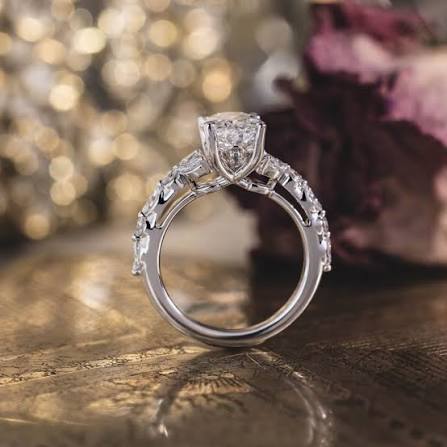
An engagement ring represents commitment, love, and the beginning of a shared future. Choosing the right ring is therefore an important decision for couples who want something that reflects their relationship and personal style. While traditional diamond rings remain popular, lab grown diamonds have introduced more options for people looking for beautiful and personalized engagement jewelry.
A Custom Lab Grown Diamond Ring combines the flexibility of personalized design with the characteristics of a real diamond created using modern laboratory technology. Couples can choose the diamond shape, carat weight, metal, setting, and decorative details to create a ring that matches their preferences. This approach offers several practical and aesthetic advantages when selecting an engagement ring.
1. Personalized Designs That Reflect Individual Style
One of the biggest benefits of choosing a custom engagement ring is the freedom to create a design that feels personal. Instead of selecting from a limited collection of ready-made jewelry, couples can participate in the design process and choose details that reflect their preferences.
For example, someone who appreciates minimalist jewelry may prefer a simple solitaire setting, while another person might choose an elaborate halo design with smaller accent diamonds.
Customization can include:
- Selecting a preferred diamond shape and size.
- Choosing between different precious metals.
- Designing a unique band style.
- Adding decorative stones or hidden details.
- Including personalized engravings.
- Adjusting the setting to create a distinctive appearance.
These options make it easier to create a ring that feels meaningful rather than simply following common jewelry trends.
2. More Affordable Than Comparable Natural Diamonds
Budget is an important consideration when purchasing an engagement ring. Lab grown diamonds generally cost less than natural diamonds with comparable grading characteristics.
This price difference allows couples to explore different design possibilities without necessarily increasing their spending.
For example, a buyer may choose a larger center stone, a more detailed setting, or a higher-quality metal while staying within a planned budget.
However, the final cost still depends on diamond specifications, craftsmanship, metal selection, and customization requirements. Comparing several options helps buyers identify the best balance between appearance and affordability.
3. The Same Essential Properties as Natural Diamonds
Lab grown diamonds are real diamonds, not imitation gemstones. They have essentially the same chemical composition, crystal structure, hardness, and optical properties as natural diamonds.
Both are made of crystallized carbon and have a hardness of 10 on the Mohs scale. Their brilliance, fire, and durability are also comparable when they have similar cutting characteristics.
The primary difference is their origin. Natural diamonds form beneath the Earth’s surface over geological periods, while lab grown diamonds are produced in controlled laboratory environments using advanced technology.
This makes laboratory-created diamonds a suitable option for couples who want the appearance and physical properties of diamond jewelry.
4. Greater Flexibility in Diamond Selection
Choosing an engagement ring involves more than deciding how large the center diamond should be. The shape, cut, color, and clarity all influence the stone’s overall appearance.
Lab grown diamonds offer buyers additional flexibility when comparing these characteristics within a particular budget.
Popular diamond shapes include:
Round Brilliant
Round brilliant diamonds are known for their exceptional light performance. Their symmetrical shape makes them suitable for traditional and contemporary engagement rings.
Oval
Oval diamonds create an elongated appearance and can make the center stone look visually larger relative to its carat weight.
Princess Cut
Princess-cut diamonds feature a square shape with sharp corners. They are a popular choice for modern jewelry designs.
Emerald Cut
Emerald-cut diamonds feature rectangular step-cut facets that produce broad flashes of light and a sophisticated appearance.
Pear Shape
Pear-shaped diamonds combine rounded and pointed ends, creating a distinctive design that works well in elegant engagement rings.
Having multiple shapes and specifications to consider allows couples to choose a diamond that suits their preferred style.
5. More Opportunities for Creative Ring Settings
The setting influences how the center diamond looks and how securely it is held in place. Custom engagement rings allow buyers to explore different setting styles rather than relying on standard designs.
Some popular options include:
- Solitaire setting: Features one central diamond and emphasizes its natural appearance.
- Halo setting: Surrounds the main diamond with smaller stones to create additional sparkle.
- Three-stone setting: Combines a central diamond with two side stones, often symbolizing the past, present, and future.
- Pavé setting: Uses small diamonds along the band to create a continuous sparkling effect.
- Bezel setting: Surrounds the diamond with a metal border, offering a clean appearance and additional edge protection.
The right setting depends on personal preferences, diamond shape, lifestyle, and desired maintenance requirements.
6. A Meaningful Choice for Modern Couples
An engagement ring often carries emotional significance beyond its monetary value. Customization gives couples an opportunity to incorporate details connected to their relationship.
For instance, they may choose a particular diamond shape because it represents a shared memory or select a metal color that reflects the recipient’s everyday jewelry preferences.
Personalization can also include:
- Engraving an engagement date or initials.
- Incorporating a meaningful gemstone.
- Creating a unique band pattern.
- Adding hidden decorative details.
- Reproducing design elements inspired by family jewelry.
These small decisions can make an engagement ring more memorable and meaningful.
7. More Control Over the Overall Ring Budget
Custom jewelry does not necessarily mean spending more money. It can actually help buyers manage their budget by allowing them to decide where to allocate their spending.
For example, couples may prioritize diamond cut quality while selecting a simpler setting. Others may prefer a more elaborate band with a moderately sized center stone.
Several factors influence the final price:
- Diamond carat weight.
- Cut, color, and clarity grades.
- Precious metal type and quantity.
- Number of additional gemstones.
- Setting complexity.
- Manufacturing and customization costs.
Having control over these elements makes it easier to adjust the design according to financial priorities.
8. Options That Match Different Lifestyles
An engagement ring should complement the recipient’s lifestyle as well as personal taste. Someone who works with their hands may prefer a lower-profile setting, while someone who enjoys decorative jewelry might appreciate a more detailed design.
Custom designs allow buyers to consider practical requirements during the planning stage.
For everyday wear, useful considerations include:
- Secure prongs or a protective bezel setting.
- A comfortable band width.
- A setting that does not sit unnecessarily high.
- Durable metal suitable for regular use.
- A design that is easy to clean and maintain.
These features can help create an engagement ring that remains comfortable and practical over time.
9. A Choice That Supports Alternative Diamond Production
Another reason some couples choose lab grown diamonds is their interest in alternative diamond production methods.
Laboratory production avoids the need to extract the diamond itself through traditional mining. However, it still requires energy, specialized equipment, raw materials, and manufacturing resources.
The environmental impact of an individual lab grown diamond depends on factors such as electricity sources, production efficiency, and manufacturing practices.
Buyers interested in sustainability should therefore look beyond the laboratory-grown label and ask manufacturers about production methods, energy use, and relevant environmental information.
10. Easier Coordination of Matching Jewelry
Custom engagement rings can also be designed with future wedding jewelry in mind. Couples may want the engagement ring to coordinate with a wedding band or other frequently worn accessories.
A designer can consider the shape of the center stone, band width, setting height, and metal color when creating the original ring.
Matching jewelry does not have to look identical. A simple wedding band can complement an elaborate engagement ring, while a diamond-studded band can add extra detail to a minimalist design.
Planning these pieces together can help create a coordinated appearance and reduce potential fitting issues.
11. Better Understanding of Diamond Quality
The custom design process encourages buyers to learn more about diamond characteristics before making a purchase.
Understanding the 4Cs is particularly useful:
Cut: Determines how effectively the diamond reflects light and creates brilliance.
Color: Measures the presence of visible body color, commonly graded from D to Z.
Clarity: Evaluates internal inclusions and external blemishes.
Carat: Measures the diamond’s weight, with one carat equal to 200 milligrams.
Buyers should also review independent grading documentation. Organizations such as the Gemological Institute of America (GIA) and the International Gemological Institute (IGI) provide laboratory-grown diamond identification and grading services.
This information helps couples compare stones based on measurable characteristics rather than appearance alone.
12. A Ring Designed to Remain Meaningful Over Time
Engagement rings are often worn for many years, making long-term design considerations important. A ring that follows a temporary trend may eventually feel less suitable, whereas a balanced design can remain appealing across changing fashion preferences.
Classic settings, comfortable proportions, and durable materials are worth considering when planning a ring intended for long-term wear.
Lab grown diamonds offer the same fundamental hardness as natural diamonds, although the surrounding metal and setting still require appropriate care.
Regular cleaning and occasional professional inspections can help maintain the ring’s appearance and identify potential issues before they become serious.
Tips for Choosing the Right Custom Lab Grown Engagement Ring
Before confirming a design, couples should take time to evaluate their priorities and compare available options.
Consider these practical suggestions:
- Understand the recipient’s preferences: Pay attention to their usual jewelry styles, favorite metal colors, and preferred diamond shapes.
- Establish a budget: Decide how much to spend before selecting the diamond and setting.
- Prioritize cut quality: A well-cut diamond can offer impressive brilliance without requiring the highest carat weight.
- Choose a practical setting: Consider comfort, stone security, and everyday activities.
- Check certification: Review the diamond’s grading report and confirm its laboratory-grown origin.
- Review the design preview: Examine the proposed proportions and details before production begins.
- Understand the aftercare policy: Ask about cleaning, inspections, repairs, and resizing options.
Taking these steps can make the buying process more organized and reduce the possibility of unexpected design or quality issues.
Conclusion
Choosing a custom lab grown diamond ring for an engagement offers several advantages, including personalized design, flexible diamond selection, budget control, and the physical properties associated with real diamonds. Couples can create a piece that reflects their relationship while considering practical details such as comfort, durability, and long-term maintenance.
From selecting the center stone to choosing the setting and adding meaningful details, every design decision contributes to the finished ring. By understanding diamond quality and planning the design carefully, couples can create an engagement ring that combines personal significance with lasting style.