
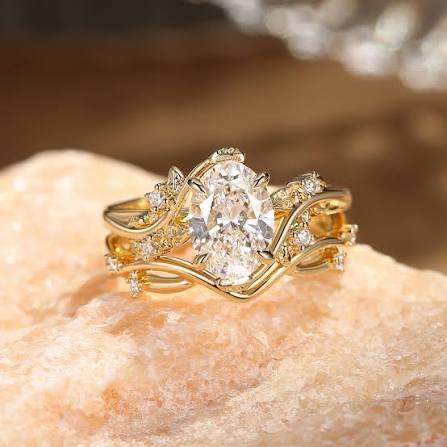
Buying a diamond ring is an important decision that involves more than choosing an attractive stone. Buyers need to consider diamond quality, setting design, metal type, documentation, pricing, and long-term maintenance. With so many options available, it is easy to overlook important details or make decisions based on appearance alone.
A Lab Diamond Ring can offer an appealing combination of beauty, durability, and affordability. However, making the right purchase requires understanding how lab-grown diamonds are graded and what distinguishes a well-made ring from an average one. Avoiding common buying mistakes can help you select jewelry that suits your budget, preferences, and everyday needs.
1. Focusing Only on Carat Weight
One of the most common mistakes is choosing a diamond based entirely on its carat weight. Although larger diamonds are generally more noticeable, carat weight does not automatically indicate better quality or greater beauty.
Two diamonds with the same carat weight can have different levels of brilliance, proportions, and visual appeal.
For example, a smaller diamond with excellent cut quality may display more attractive light performance than a larger stone with poorly balanced proportions.
Instead of selecting the largest available option, consider the complete combination of diamond characteristics. Compare measurements, shape, cut quality, and overall appearance before making a decision.
2. Ignoring the Importance of the 4Cs
The 4Cs—cut, color, clarity, and carat—provide a useful framework for evaluating diamonds. Overlooking any of these factors can lead to an unsuitable purchase.
Cut
Cut quality influences how effectively a diamond reflects light. A well-cut stone can display attractive brightness, fire, and sparkle.
Color
Color grading describes the amount of visible body color in a diamond. Buyers should compare different grades and consider how the stone will look with the selected metal.
Clarity
Clarity refers to internal inclusions and external blemishes. Some imperfections are difficult to see without magnification, so the highest clarity grade is not always necessary for an attractive appearance.
Carat
Carat measures weight rather than physical size. Diamond measurements should also be reviewed to understand how large the stone will appear.
A balanced combination of these characteristics is often more practical than spending most of the budget on a single specification.
3. Assuming All Lab-Grown Diamonds Are Identical
Lab-grown diamonds share essentially the same chemical composition, crystal structure, and fundamental physical properties as natural diamonds. However, individual lab-grown stones can differ significantly in quality.
Differences may include:
- Cut precision.
- Color grade.
- Clarity characteristics.
- Carat weight.
- Measurements and proportions.
- Surface finishing and symmetry.
The production method, such as Chemical Vapor Deposition (CVD) or High Pressure High Temperature (HPHT), can also vary. Neither method automatically guarantees superior quality.
Buyers should evaluate the individual diamond rather than assuming that all laboratory-created stones offer the same appearance and performance.
4. Choosing a Ring Without Checking Its Grading Report
A diamond grading report provides important information about a stone’s characteristics. Purchasing without reviewing suitable documentation can make it harder to verify what is being offered.
A report from a recognized gemological laboratory may include details such as:
- Confirmation that the diamond is laboratory-grown.
- Carat weight.
- Color grade.
- Clarity grade.
- Measurements.
- Cut information, where applicable.
- Report identification details.
Buyers should check that the documentation corresponds to the actual diamond being purchased.
A grading report helps describe a diamond, but it should not be treated as a guarantee of resale value or future market performance.
5. Overlooking the Diamond’s Cut Quality
Some buyers focus heavily on carat, color, and clarity while paying insufficient attention to cut.
Cut quality has a major influence on how a diamond interacts with light. Poor proportions can affect brightness and create areas that appear dark or less lively.
For round brilliant diamonds, a recognized cut grade can help with comparisons. Fancy shapes such as oval, pear, emerald, and cushion require additional attention to their proportions and visual appearance.
Whenever possible, examine photographs or videos of the exact stone under suitable lighting. This can provide a better understanding of its appearance than specifications alone.
6. Selecting the Wrong Ring Setting
The setting affects both the appearance and practicality of a diamond ring. Choosing a design without considering the stone’s shape, lifestyle requirements, and maintenance needs can create problems later.
Popular settings include:
Prong Setting: Holds the diamond using small metal claws and allows significant light exposure. Prongs need periodic inspection to ensure the stone remains secure.
Bezel Setting: Surrounds the diamond with a metal rim, offering additional protection around its edges.
Halo Setting: Places smaller diamonds around the center stone to create a more decorative appearance.
Pavé Setting: Features small accent diamonds along the band, adding detail but requiring careful maintenance.
Three-Stone Setting: Combines a center diamond with two additional stones for a balanced design.
Consider how the ring will be worn before choosing a setting. Someone who frequently uses their hands may prefer a secure, lower-profile design.
7. Ignoring the Quality of the Metal
The center diamond often receives the most attention, but the metal band and setting are equally important to the ring’s overall construction.
Gold and platinum are common choices for diamond jewelry, and each offers different characteristics.
- Yellow gold: Provides a warm, traditional appearance.
- White gold: Offers a bright finish that complements many diamond styles.
- Rose gold: Creates a distinctive warm-toned appearance.
- Platinum: Is a durable precious metal with a naturally white color.
Buyers should also consider metal purity, alloy composition, band thickness, and finishing quality.
A beautiful diamond in a poorly constructed setting may not provide the durability expected from fine jewelry.
8. Making a Purchase Without Setting a Clear Budget
Another frequent mistake is beginning the shopping process without deciding how much to spend.
With numerous carat weights, shapes, settings, and metal options available, it is easy to exceed an original spending plan.
A clear budget helps narrow the selection and makes comparisons more meaningful.
Divide the Budget Into Key Areas
Consider the complete cost of the ring, including:
- Center diamond.
- Precious-metal setting.
- Additional accent stones.
- Customization or engraving.
- Resizing and related services.
- Taxes and delivery charges.
Do not assume that the most expensive option is automatically the best. A carefully selected diamond with balanced specifications can provide an attractive result without unnecessary spending.
9. Comparing Prices Without Checking Specifications
Price comparison is useful, but looking only at the final amount can lead to misleading conclusions.
Two rings may appear similar in photographs while having different diamond specifications, metal weights, craftsmanship, and warranty coverage.
Before comparing prices, confirm that the products have similar:
- Carat weights.
- Shapes and measurements.
- Cut characteristics.
- Color and clarity grades.
- Metal types and purity.
- Setting designs.
- Documentation and service terms.
Also consider whether the listed price includes the complete ring or only the center diamond.
A lower price may represent good value, but only when the product specifications and included services are understood.
10. Forgetting to Consider Finger Size and Comfort
A ring should look attractive while feeling comfortable during everyday wear.
The same diamond can appear different depending on finger size, band width, and setting proportions. A large center stone may look prominent on a smaller finger, while a wider band can create a different visual balance.
Before purchasing, confirm the correct ring size. If possible, try different band widths and setting heights to understand how they feel.
For online orders, review the seller’s sizing guide and resizing policy.
A ring that fits properly is easier to wear and less likely to slip off during normal activities.
11. Choosing a Design Based Only on Current Trends
Jewelry trends change frequently. Some periods favor minimalist solitaire rings, while others highlight elaborate halo designs, colored gemstones, or distinctive band shapes.
Selecting a ring only because it is currently popular may lead to dissatisfaction when personal preferences change.
For jewelry intended to be worn for many years, consider designs that reflect individual taste and remain versatile.
Classic solitaire, three-stone, and simple pavé designs are popular examples, but there is no universal rule. The best choice is one that the wearer genuinely enjoys.
12. Not Checking the Seller’s Reputation
The seller plays an important role in the buying experience. Even a well-specified diamond may become a disappointing purchase if the seller provides unclear information or inadequate customer support.
Before placing an order, investigate the company’s background and service policies.
What to Look For
- Clear product descriptions and specifications.
- Genuine customer reviews from multiple sources.
- Transparent pricing.
- Accessible customer support.
- Written return and exchange conditions.
- Warranty information.
- Repair and resizing services.
- Clear information about diamond origin and grading.
Be cautious when sellers make unrealistic claims about guaranteed appreciation, unusually high resale prices, or exceptional quality without supporting documentation.
13. Overlooking Return, Warranty, and Resizing Policies
A ring may look different in person than it does in an online photograph. Its proportions, color, setting height, and overall comfort can be difficult to judge from product images alone.
Before buying, understand the seller’s policies.
Check whether:
- Returns are accepted within a defined period.
- Customized rings have different return conditions.
- Resizing is available.
- Repairs are covered under warranty.
- Loose stones or manufacturing defects are addressed.
- Shipping and return costs are clearly explained.
Read the written terms carefully rather than relying entirely on verbal assurances.
These details are especially important for online purchases and custom-made jewelry.
14. Assuming a Lab-Grown Diamond Will Appreciate in Value
A lab-grown diamond ring can be a worthwhile purchase for personal enjoyment, but it should not automatically be considered a financial investment.
As laboratory production technology has developed and supply has expanded, lab-grown diamond prices have generally experienced downward pressure. This can influence resale values.
Buyers should distinguish between the ring’s personal value and its potential market value.
If resale is important, research the secondary market and ask the seller about any trade-in or upgrade programs. Do not assume that the ring will retain its original retail price.
A more realistic approach is to purchase a ring because it meets your preferences, budget, and quality expectations.
15. Neglecting Future Cleaning and Maintenance
A diamond may remain highly resistant to scratching, but the ring’s setting and metal band still require care.
Everyday substances such as lotion, soap, cosmetics, and natural skin oils can accumulate around the stone and reduce its visible sparkle.
To maintain the ring:
- Clean it periodically with mild soap and warm water.
- Use a soft-bristled brush for accessible areas.
- Avoid harsh chemicals and abrasive products.
- Remove it during heavy physical activities.
- Store it separately from other jewelry.
- Arrange periodic professional inspections.
Pay particular attention to prongs and accent stones. If the center diamond feels loose, stop wearing the ring until a jeweler has inspected it.
16. Failing to Compare Different Diamond Shapes
Choosing a shape without comparing alternatives can limit the available options.
Round diamonds are widely recognized, but other shapes may offer a better match for a buyer’s style or preferred visual proportions.
Some popular choices include:
| Diamond Shape | Main Characteristics |
|---|---|
| Round | Traditional appearance and strong brilliance |
| Oval | Elongated shape with a larger-looking face-up appearance in some cuts |
| Pear | Distinctive teardrop outline |
| Emerald | Rectangular step-cut facets |
| Cushion | Soft corners with a square or rectangular outline |
| Princess | Square shape with a modern appearance |
| Radiant | Rectangular or square outline with brilliant-style faceting |
Compare different shapes at similar carat weights and examine their actual measurements. This helps identify which design provides the desired appearance.
17. Rushing the Buying Decision
Purchasing a diamond ring can involve several important decisions, and rushing through them increases the chance of overlooking useful details.
Buyers should take enough time to compare different stones, review documentation, examine settings, and understand the seller’s policies.
A practical buying process includes:
- Establish a realistic budget.
- Decide on a preferred ring style.
- Compare diamond shapes and carat sizes.
- Review the 4Cs and grading documentation.
- Evaluate the metal and setting quality.
- Compare prices for similar specifications.
- Confirm sizing, warranty, and return terms.
- Make the purchase only after understanding the complete offer.
Taking a structured approach can make the experience more confident and reduce unnecessary spending.
Conclusion
Purchasing a lab-grown diamond ring becomes easier when you understand what to evaluate and which mistakes to avoid. Focusing only on carat weight, overlooking cut quality, ignoring grading documentation, and choosing a setting without considering everyday use can all lead to an unsuitable purchase.
Instead, compare the complete diamond specifications, examine the craftsmanship, select a comfortable design, and verify the seller’s policies. It is also important to have realistic expectations about resale value and long-term maintenance.
By approaching the decision carefully, buyers can choose a lab-grown diamond ring that offers the right combination of appearance, quality, practicality, and personal meaning.