
Road surface treatment is an important part of maintaining durable, safe, and well-performing transportation infrastructure. Bitumen is commonly applied during road construction, resurfacing, tack coating, and preventive maintenance to create a suitable bonding layer or protective surface. Achieving consistent results requires more than quality materials; it also depends on accurate application and reliable equipment. Uneven spraying, incorrect application rates, and inconsistent material temperatures can affect pavement performance and increase maintenance costs.
Modern Bitumen Spray Tanker systems help contractors distribute heated bitumen across road surfaces with greater control and consistency. These specialized vehicles combine storage, heating, pumping, and spraying components to support efficient treatment operations. Understanding how they work and which features matter can help construction companies improve productivity and achieve more dependable application results.
What Is a Bitumen Spray Tanker?
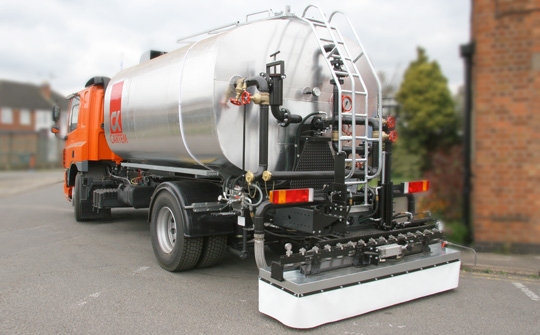
A bitumen spray tanker is a specialized road construction vehicle designed to store, heat, transport, and spray bituminous materials onto prepared surfaces. It typically features an insulated tank, heating system, pump assembly, spray bar, and control mechanisms.
The equipment is used for several road treatment processes, including prime coating, tack coating, surface dressing, and certain pavement maintenance applications. Its configuration may vary depending on tank capacity, spraying requirements, road conditions, and the type of bituminous material being applied.
Common components include:
- Storage tank: Holds bitumen or another compatible spray material.
- Heating system: Maintains the material at an appropriate application temperature.
- Insulation: Helps reduce heat loss during transportation and operation.
- Pumping system: Moves the material from the tank toward the spray assembly.
- Spray bar and nozzles: Distribute bitumen across the required road width.
- Control system: Allows operators to manage spraying conditions and application settings.
How Bitumen Spray Tankers Improve Application Accuracy
Accurate bitumen distribution is essential for achieving a uniform treatment layer. Too little material may result in insufficient bonding or protection, while excessive application can create surface defects and unnecessary material costs.
1. Uniform Spray Distribution
A properly designed spray bar uses multiple nozzles to distribute bitumen across the road surface. Correct nozzle selection, spacing, alignment, and operating pressure help create an even application pattern.
Consistent distribution is particularly important when treating wide pavement sections, where variations in coverage can affect the quality of the finished road.
2. Controlled Application Rates
The amount of bitumen applied per square meter must match the requirements of the treatment method and surface condition. Modern equipment may include adjustable controls that help operators regulate pumping output and vehicle speed.
Maintaining the correct relationship between these factors helps reduce material waste and supports consistent treatment thickness.
3. Stable Material Temperature
Bitumen viscosity changes with temperature. If the material becomes too cold, it may be difficult to pump and distribute evenly. Excessive heating can also affect its properties.
An effective heating and insulation system helps maintain suitable material conditions during transportation and spraying. Operators should always follow the temperature specifications for the particular bituminous product.
4. Better Coverage of Large Areas
Spray tankers allow contractors to treat substantial road sections without repeatedly preparing and applying material manually. Their working width and tank capacity can support faster operations while maintaining a controlled spraying process.
Important Features of a High-Quality Bitumen Spray Tanker
Selecting the right tanker requires attention to its technical design, operating capacity, and suitability for different road treatment tasks.
Tank Capacity and Construction
Tank capacity determines how much material can be transported before refilling is required. Larger tanks may be suitable for extensive highway projects, while smaller vehicles can offer greater flexibility in restricted areas.
The tank should be constructed from materials appropriate for heated bitumen storage and repeated operating cycles. Strong fabrication, suitable internal design, and dependable connections contribute to long-term reliability.
Heating and Temperature Control
A reliable heating system helps maintain bitumen at the required working temperature. Depending on the design, heating may use diesel burners or other approved arrangements.
Temperature sensors and control panels allow operators to monitor conditions and adjust the heating process. Overheating protection and clear operating indicators are valuable features.
Pumping Performance
The pump must handle the viscosity and temperature characteristics of the material being sprayed. Its output should support the required application rate and spray width.
Buyers should review pump capacity, pressure specifications, material compatibility, and maintenance requirements before purchasing.
Spray Bar Design
The spray bar directly affects application quality. Important considerations include:
- Number and spacing of spray nozzles
- Adjustable spraying width
- Nozzle material and durability
- Uniform distribution across the bar
- Ease of cleaning and replacement
- Reliable pressure control
A well-designed system helps reduce uneven coverage and supports more predictable road treatment results.
Automation and Operator Controls
Automated or semi-automated controls can simplify the management of spraying operations. Depending on the model, operators may be able to monitor temperature, pump output, vehicle speed, and application settings through an integrated control panel.
Clear controls help improve operational consistency and reduce reliance on manual adjustments.
Main Applications in Road Construction and Maintenance
Bitumen spray tankers support several surface treatment methods used in transportation infrastructure projects.
Prime Coating
Prime coating involves applying a suitable bituminous material to a prepared granular base before placing an asphalt layer. It helps condition the surface and supports bonding between pavement layers.
Tack Coating
Tack coating creates an adhesive layer between existing pavement and a new asphalt course. Uniform application helps improve the bond and reduce the risk of separation between layers.
Surface Dressing
Surface dressing involves applying bituminous binder to a road surface before distributing aggregate. The process can help improve skid resistance and protect the pavement when performed with suitable materials and application rates.
Road Maintenance
Spray tankers are also used in selected pavement preservation and repair operations. They help distribute compatible bituminous products during maintenance activities that aim to protect road surfaces and extend pavement service life.
Factors That Influence Spraying Performance
Even advanced equipment requires appropriate operating conditions. Several factors determine whether the tanker can deliver consistent results.
Material viscosity: Bitumen must remain within the suitable temperature range for effective pumping and spraying.
Vehicle speed: Changes in travel speed can affect the amount of material applied per unit area.
Pump pressure: Incorrect pressure may cause uneven spray patterns or inconsistent flow.
Nozzle condition: Blocked, damaged, or incorrectly aligned nozzles can create gaps and irregular coverage.
Weather conditions: Ambient temperature, wind, and surface conditions can influence spraying operations.
Road preparation: Dust, moisture, loose aggregate, and other contaminants may affect bonding and treatment quality.
Operators should follow the project specification and conduct appropriate checks before beginning full-scale application.
Best Practices for Safe and Efficient Operation
Bitumen spraying involves heated materials, moving vehicles, pressurized equipment, and potentially hazardous fumes. Careful operating procedures are essential for protecting workers and maintaining application quality.
Recommended practices include:
- Inspect the tank, pump, spray bar, hoses, and connections before operation.
- Confirm that the bituminous material is compatible with the equipment.
- Maintain the temperature recommended for the specific product.
- Check nozzle alignment and spray patterns before starting the treatment.
- Calibrate application settings according to the project requirements.
- Keep workers away from hot material and pressurized discharge points.
- Use suitable protective clothing, gloves, footwear, and eye protection.
- Provide adequate ventilation and follow fire prevention procedures.
- Stop spraying if leaks, abnormal pressure changes, or equipment faults occur.
Operators should receive appropriate training and follow the manufacturer’s instructions as well as applicable roadwork safety regulations.
Maintenance Tips for Long-Term Reliability
Regular maintenance helps prevent equipment breakdowns and supports consistent spraying performance throughout the tanker’s service life.
Clean the Spray Nozzles
Bitumen residue can accumulate in nozzles and affect the spray pattern. Inspect and clean them using approved procedures after the equipment has been placed in a safe condition.
Inspect the Pump and Valves
Check pumps, seals, valves, and pipe connections for wear, leakage, or unusual vibration. Replace damaged components according to the manufacturer’s recommendations.
Maintain the Heating System
Inspect burners, fuel lines, heating elements, sensors, and related components regularly. Any irregular heating behavior should be investigated before it affects material quality or equipment safety.
Examine Tank Insulation
Damaged insulation can increase heat loss and make it more difficult to maintain suitable material temperatures. Inspect the external covering and repair deteriorated sections when necessary.
Check the Spray Bar
Examine the spray bar for blockages, corrosion, alignment problems, and damaged connections. Maintaining consistent nozzle spacing and condition is important for uniform coverage.
Keep Service Records
Record inspections, repairs, cleaning activities, and component replacements. Maintenance records help identify recurring problems and support preventive servicing.
How to Choose the Right Bitumen Spray Tanker
The most suitable tanker depends on project size, treatment requirements, operating conditions, and available resources. Before purchasing, consider the following:
- Project scale: Match tank capacity and spraying width to typical job requirements.
- Material compatibility: Confirm that the heating and pumping systems can handle the intended bituminous products.
- Application accuracy: Evaluate spray bar design and application control features.
- Heating efficiency: Compare temperature regulation, insulation, and energy requirements.
- Vehicle mobility: Consider road access, maneuverability, and transport requirements.
- Maintenance support: Check spare-part availability and ease of servicing.
- Manufacturer experience: Review technical documentation, warranty terms, and after-sales assistance.
A careful comparison of these factors can help contractors select equipment that offers practical value and dependable performance.
Conclusion
Bitumen spray tankers play an important role in modern road construction by supporting controlled material heating, transportation, and uniform surface application. Their tank capacity, pumping system, spray bar design, temperature controls, and overall construction quality all influence treatment efficiency.
By choosing equipment that matches project specifications and following proper calibration, safety, and maintenance procedures, contractors can improve application consistency, reduce material waste, and support durable road surfaces. Reliable equipment and trained operators remain essential to achieving high-quality results in pavement construction and maintenance.