
Introduction
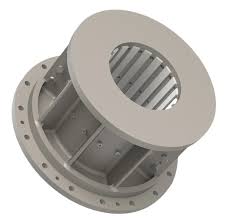
Modern machinery depends on reliable bearing systems to support rotating components, reduce friction, and maintain consistent operational performance. As industries increasingly focus on efficiency, sustainability, and lower maintenance costs, alternative lubrication technologies are receiving greater attention. One solution gaining popularity is the water-lubricated bearing, which uses water instead of conventional oil or grease to minimize friction between moving surfaces.
These bearings are particularly useful in marine equipment, industrial pumps, water treatment facilities, and hydropower systems. Their ability to operate in wet environments while reducing dependence on petroleum-based lubricants makes them an attractive option for various engineering applications. Understanding their advantages can help manufacturers and equipment operators determine whether this technology is suitable for their machinery.
1. Reduced Environmental Impact
One of the most important benefits of water-lubricated bearings is their contribution to environmental protection. Traditional bearings often depend on oil or grease, which can leak into surrounding environments if sealing systems fail or maintenance is inadequate.
In marine and water-related applications, lubricant leakage can create serious pollution concerns. Water-lubricated systems reduce dependence on these petroleum-based products, helping minimize the risk of oil contamination.
This advantage makes them particularly suitable for ships, water pumps, and equipment operating near natural water sources. Industries looking to adopt more environmentally responsible technologies can benefit from considering these bearing systems.
2. Lower Lubrication Maintenance Requirements
Conventional bearing systems frequently require periodic grease replenishment, oil replacement, and lubrication system inspections. These activities increase maintenance workloads and can interrupt machinery operation.
A water-lubricated bearing eliminates the need for conventional oil or grease lubrication when designed for continuous water lubrication. This simplifies certain maintenance procedures and reduces the resources needed to manage traditional lubricants.
However, operators must still monitor water circulation, bearing clearance, material condition, and overall performance. Reduced lubrication maintenance does not mean that regular inspection is unnecessary.
3. Effective Heat Dissipation
Heat generation is a common challenge in machinery containing rotating components. Excessive temperatures can accelerate material deterioration, increase wear, and negatively affect equipment reliability.
Water provides an effective cooling medium because it can absorb and carry away heat generated within the bearing area. As water flows through the bearing clearance, it helps regulate operating temperatures.
This cooling capability is particularly valuable in machinery that operates continuously or handles demanding workloads. Proper water flow and bearing design are essential to achieving effective heat management.
4. Reduced Friction and Wear
Friction between rotating and stationary surfaces can affect mechanical efficiency and shorten component service life. Water-lubricated bearing technology addresses this challenge by creating a lubricating film between the shaft and bearing surface under suitable operating conditions.
The water film helps separate the surfaces, reducing direct contact and limiting friction-related wear.
The actual performance depends on shaft speed, load, water availability, surface geometry, and material properties. When these factors are properly managed, the bearing can support smooth mechanical movement and dependable operation.
5. Suitable for Marine Applications
Marine equipment operates in challenging conditions involving continuous moisture exposure, changing loads, vibration, and potentially corrosive environments.
Water-lubricated bearings are especially useful in marine propulsion systems, where they support propeller shafts and help maintain stable rotation.
Since surrounding water can serve as the lubrication medium in appropriately designed systems, these bearings reduce the need for separate oil-based lubrication arrangements. Their oil-free operation also helps address environmental concerns associated with marine equipment.
6. Improved Operational Efficiency
Efficient bearing operation contributes to the overall performance of machinery. Excessive friction increases energy losses and can place additional stress on motors, shafts, and connected components.
A properly selected water-lubricated bearing helps reduce friction under suitable operating conditions. Its cooling characteristics can also support stable machinery performance.
These advantages are valuable in industrial pumps, water circulation systems, and other equipment that operates for extended periods. Nevertheless, efficiency improvements depend on the complete mechanical system rather than the bearing alone.
7. Compatibility with Modern Industrial Equipment
Another advantage is the availability of different designs and materials for specialized applications. Manufacturers can select suitable rubber compounds, engineering polymers, and composite materials according to operating requirements.
These materials are developed to withstand water exposure while providing appropriate friction and wear characteristics.
Water-lubricated bearings can therefore be considered for selected applications in water treatment plants, hydropower facilities, industrial pumping systems, and certain manufacturing environments.
8. Potential for Long-Term Cost Savings
Although the initial purchase price of a bearing is important, businesses should also consider its total operating cost. Traditional lubrication systems may involve recurring expenses for oils, grease, replacement filters, and maintenance labor.
Water-lubricated systems can reduce some of these expenses by eliminating conventional lubricant requirements. Their simpler lubrication arrangements may also reduce maintenance complexity.
However, the overall financial benefit depends on installation costs, water supply requirements, operating conditions, inspection schedules, and bearing replacement intervals.
Choosing the Right Water Lubricated Bearing
To achieve these benefits, businesses must select bearings according to their machinery requirements. Important factors include operating load, shaft speed, water quality, temperature, material compatibility, and bearing dimensions.
Water containing sand or other abrasive particles can increase surface wear. Therefore, filtration and appropriate water management may be necessary in certain applications.
Companies researching suitable industrial components and engineering solutions can explore the technical information available from Techemer when evaluating bearing technologies and application requirements.
Conclusion
Water-lubricated bearings offer several advantages for modern machinery, including reduced environmental impact, lower lubrication maintenance requirements, effective cooling, and improved friction management. Their suitability for marine and industrial applications makes them an important alternative to conventional oil- and grease-lubricated systems.
By considering operating conditions, material compatibility, and maintenance requirements, businesses can determine whether this technology meets their equipment needs. With proper selection and installation, water-lubricated bearings can support reliable machinery operation while contributing to more sustainable industrial practices.