
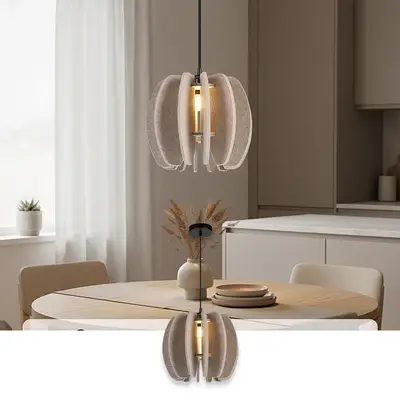
Modern interior design focuses on creating spaces that are visually appealing, comfortable, and functional. While furniture, lighting, colors, and decorative finishes often receive the most attention, sound quality is another important element of a successful interior. Excessive noise and sound reflections can affect the atmosphere of offices, restaurants, hotels, residential properties, and other indoor environments.
Working with a professional Acoustic Panels Supplier helps designers and project developers incorporate effective sound absorption into their interior plans. From selecting suitable materials to coordinating colors, shapes, and installation requirements, an experienced supplier can support both the practical and aesthetic goals of a project.
Combining Acoustic Performance with Visual Appeal
One of the main advantages of modern acoustic panels is their ability to serve both functional and decorative purposes. Traditional sound-absorbing materials were often selected primarily for performance, but contemporary products are available in a variety of colors, textures, shapes, and finishes.
Interior designers can use these panels to complement existing wall treatments, furniture, and architectural features. Some designs blend into the surrounding surfaces, while others create distinctive decorative arrangements.
A knowledgeable supplier can help identify products that balance sound absorption with the desired visual appearance. This makes it easier to integrate acoustic treatment into the original design concept rather than adding it as an afterthought.
Providing Materials for Different Interior Styles
Every interior project has its own design language. Minimalist offices may require subtle finishes, while hospitality environments may benefit from decorative textures and distinctive color combinations.
Acoustic panels are available in several material types, including:
- Polyester fiber panels: Lightweight options available in various colors, thicknesses, and shapes.
- Fabric-wrapped panels: Decorative products that offer flexibility in fabric selection and surface appearance.
- Wood-based acoustic panels: Options that combine architectural finishes with sound absorption, depending on their construction.
- Specialized acoustic materials: Products designed for particular performance requirements and installation conditions.
A professional supplier can explain the characteristics of each option and help designers select materials that suit the project’s style, budget, and acoustic objectives.
Supporting Customization and Creative Design Concepts
Customization is an important part of modern interior design. Standard products may not always fit unusual wall dimensions, ceiling layouts, or specific decorative concepts.
Suppliers that offer customization can provide different panel sizes, shapes, colors, patterns, and finishes. This flexibility allows designers to create coordinated interior features while addressing sound-related challenges.
For example, geometric panel arrangements can become visual highlights in office reception areas. Color-coordinated acoustic panels can reinforce brand identity in commercial interiors, while customized finishes may complement furniture and architectural details in hotels and restaurants.
Designers should discuss customization requirements early in the planning process to confirm product availability, manufacturing lead times, and any effects on acoustic performance.
Improving Comfort in Open-Plan Offices
Open-plan offices are popular because they encourage collaboration and make efficient use of available space. However, conversations, telephone calls, and movement can create distracting noise when sound reflects from large walls and ceilings.
Acoustic panels help manage these reflections and can contribute to a more comfortable working environment. Wall-mounted and ceiling-mounted products may be incorporated into different areas, depending on the office layout and acoustic requirements.
An experienced supplier can help designers review material choices, panel dimensions, and installation options. This allows acoustic treatment to complement workstations, meeting areas, reception spaces, and other office features.
Enhancing Hospitality and Retail Interiors
Restaurants, hotels, cafes, and retail stores depend heavily on atmosphere and customer experience. Excessive reverberation can make conversations uncomfortable, while poorly balanced sound may affect how visitors experience a space.
Acoustic panels offer designers a way to manage indoor sound without sacrificing visual quality. Decorative products can be coordinated with lighting, furniture, wall finishes, and brand colors.
In restaurants, suitable acoustic treatment can help reduce reflections in dining areas. Hotels may use decorative panels in reception spaces, lounges, and conference rooms. Retail stores can incorporate acoustic products into branded interiors while supporting a more comfortable environment for customers and employees.
Supporting Residential Interior Design
Acoustic panels are also becoming part of residential interior projects. Home offices, entertainment rooms, living areas, and private studios can all benefit from improved sound absorption.
Designers may select panels that match the home’s color palette, furniture, and architectural details. Decorative arrangements can provide acoustic functionality while contributing to the overall appearance of a room.
A supplier can help homeowners and designers compare available materials and understand which products are appropriate for different residential applications.
Providing Technical Information for Better Design Decisions
Visual appearance is only one part of acoustic panel selection. Designers also need technical information to ensure that chosen products meet the functional requirements of the space.
One commonly used measurement is the Noise Reduction Coefficient (NRC), which indicates the average sound absorption of a material across specified frequencies. Other relevant details may include panel thickness, density, construction, and installation requirements.
A professional supplier should provide available product specifications and acoustic test information. This helps designers compare materials and coordinate with architects, contractors, and acoustic consultants when necessary.
It is important to remember that acoustic panels primarily absorb sound reflections within a room. They do not automatically prevent sound from passing between separate spaces, which may require dedicated sound-isolation solutions.
Helping Coordinate Installation and Project Planning
Acoustic products should be considered during the early stages of an interior design project. Late decisions can create difficulties with wall preparation, ceiling layouts, lighting arrangements, and other building services.
A reliable supplier can provide information about product dimensions, mounting systems, compatible accessories, and installation methods. This allows design teams to coordinate acoustic features with the rest of the interior.
For larger projects, it is also important to discuss manufacturing capacity, delivery schedules, and quality-control procedures. Consistent panel dimensions and finishes help maintain a uniform appearance across multiple rooms or locations.
Supporting Safety and Sustainability Requirements
Modern interior design increasingly considers building safety and environmental responsibility. Acoustic panels should therefore be evaluated according to the requirements of the intended space.
Fire performance may be especially important in commercial buildings, educational facilities, hotels, and public environments. Designers should request relevant product documentation and confirm that selected materials comply with applicable local regulations.
Sustainability may also influence material selection. Information about recycled content, emissions, sourcing, and product durability can help project teams evaluate environmental considerations more accurately.
A professional supplier should be able to provide supporting information where available rather than relying only on general product claims.
Creating More Cohesive Interior Spaces
Successful interior design brings together different elements to create a consistent and functional environment. Acoustic panels can contribute to this balance by addressing sound-related needs while supporting the visual concept.
When selected carefully, they can coordinate with wall finishes, ceilings, furniture, lighting, and decorative features. This creates a more integrated design in which acoustic treatment feels like a natural part of the space.
Early communication between suppliers, designers, architects, and contractors also helps ensure that product specifications and installation requirements are understood before work begins.
Final Thoughts
An acoustic panels supplier supports modern interior design projects by providing suitable materials, customization options, technical information, and installation guidance. These services help designers balance sound absorption with visual appeal across offices, hospitality environments, retail spaces, and residential interiors.
Choosing a supplier that understands both product performance and design requirements can make acoustic planning more effective. By considering materials, customization, safety, installation, and project coordination from the beginning, businesses and designers can create attractive spaces that also provide a more comfortable indoor sound environment.