
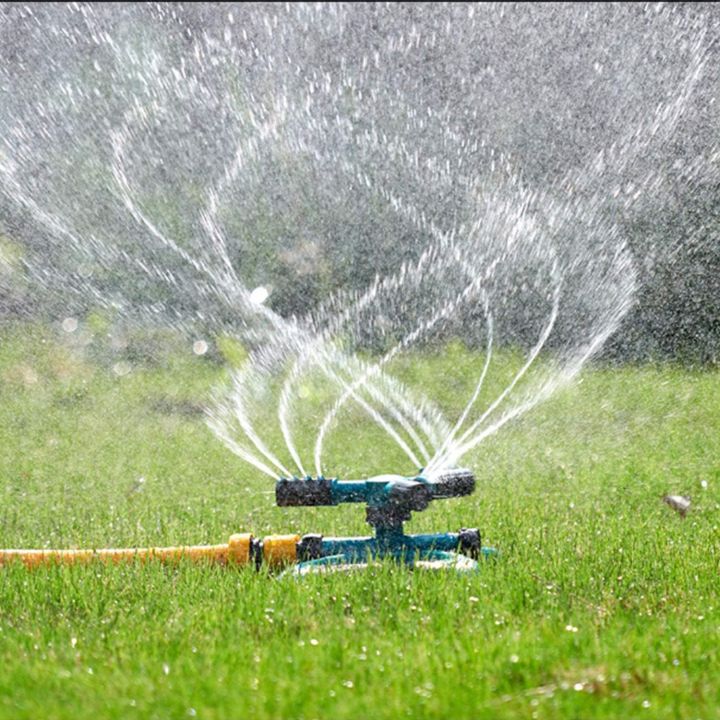
Choosing the right sprinkler type is an important step in designing an effective irrigation system. Fixed and rotating sprinklers are two common options, and each has different operating methods, coverage characteristics, and suitable applications.
The best choice depends on factors such as the size of the area, water availability, plant requirements, and installation conditions. Reviewing product specifications from a reliable Sprinkler Manufacturer can help users understand the differences between these sprinkler types and select equipment that matches their irrigation goals.
What Are Fixed Sprinklers?
Fixed sprinklers distribute water in a set spray pattern without rotating during operation. Once installed, they apply water over a defined area based on their design, nozzle type, and operating pressure.
These sprinklers are often used where predictable coverage is needed. They can be suitable for smaller spaces, landscaped sections, flower beds, and areas where the spray direction needs to remain consistent.
What Are Rotating Sprinklers?
Rotating sprinklers move while operating, allowing water to cover a larger area through a rotating spray pattern. The movement may be created through different internal mechanisms depending on the design.
These sprinklers are commonly used for wider coverage areas such as lawns, open landscapes, and larger irrigation zones. Their rotating action helps distribute water across a broader surface.
Coverage Differences
One of the biggest differences between fixed and rotating sprinklers is how they cover an area.
Fixed sprinklers generally provide a steady spray over a specific pattern. They can work well in areas where the shape and size of the irrigation zone are clearly defined.
Rotating sprinklers are often preferred for larger areas because their moving spray can cover greater distances. However, they usually require careful spacing to achieve consistent overlap between sprinkler units.
Water Application Patterns
Fixed sprinklers typically apply water evenly across their designed spray pattern when operating under suitable conditions. They are useful where targeted coverage is more important than long-distance reach.
Rotating sprinklers apply water gradually as the spray moves across the area. This slower application can be beneficial in some landscapes because it may allow soil to absorb water more effectively.
Pressure Requirements
Water pressure plays an important role in the performance of both sprinkler types. Each design has a recommended operating range that affects spray distance, flow rate, and distribution.
Fixed sprinklers may operate effectively in smaller zones with moderate pressure requirements. Rotating sprinklers often need sufficient pressure to maintain proper movement and coverage across larger areas.
Before selecting a sprinkler, compare the available water pressure with the equipment requirements to avoid performance issues.
Installation Considerations
Fixed and rotating sprinklers require different planning approaches during installation.
For fixed sprinklers, placement should focus on matching the spray pattern with the shape of the irrigation area. Incorrect positioning may result in water being applied to unwanted locations.
Rotating sprinklers require careful spacing because their coverage depends on movement and overlap between neighboring units. Proper layout helps prevent dry spots and uneven irrigation.
Suitable Applications for Fixed Sprinklers
Fixed sprinklers can be useful in areas such as:
- Small lawns
- Garden beds
- Decorative landscapes
- Narrow planting areas
- Areas with defined boundaries
Their predictable spray pattern makes them practical for locations where precise coverage is needed.
Suitable Applications for Rotating Sprinklers
Rotating sprinklers are commonly considered for:
- Large lawns
- Open landscapes
- Recreational areas
- Agricultural sections
- Wide irrigation zones
Their ability to distribute water over larger distances can reduce the number of sprinkler units needed in some installations.
Maintenance Requirements
Both sprinkler types require regular maintenance to maintain performance. Dirt, mineral deposits, damaged components, and incorrect alignment can affect water distribution.
Fixed sprinklers may require periodic nozzle cleaning and spray pattern checks. Rotating sprinklers may need additional attention to ensure that movement remains smooth and unobstructed.
Routine inspection can help identify problems before they affect the entire irrigation system.
Efficiency Considerations
Efficiency depends on how well the sprinkler matches the irrigation environment rather than simply choosing one type over another.
A fixed sprinkler installed in the correct location can provide excellent results for a small area. A rotating sprinkler may be more efficient for larger spaces where broader coverage is required.
The most suitable option depends on the system design, water supply, and specific irrigation requirements.
Factors to Consider Before Choosing
When comparing fixed and rotating sprinklers, consider:
- Size and shape of the irrigation area
- Available water pressure
- Required coverage distance
- Plant or turf requirements
- Soil type
- Wind conditions
- Maintenance needs
- Installation layout
Evaluating these factors helps ensure the selected sprinkler type supports effective water distribution.
Final Thoughts
Fixed and rotating sprinklers each have advantages depending on the application. Fixed sprinklers provide controlled spray patterns that work well for smaller or more defined areas, while rotating sprinklers are often better suited for larger spaces requiring wider coverage.
There is no universal choice that works for every irrigation project. Understanding the differences between these options and matching them with site conditions can help create a more efficient and reliable irrigation system.