
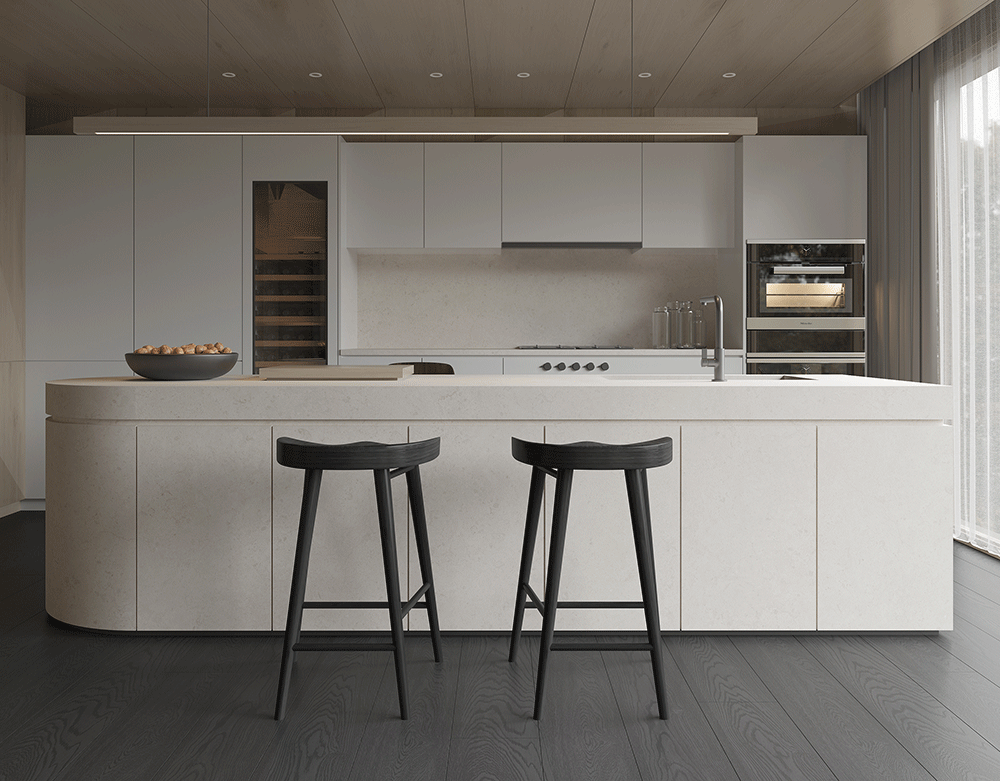
Luxury marble is widely valued for its distinctive veining, natural color variations, and elegant surface appearance. It is frequently used in high-end residences, hotels, office buildings, retail environments, and other architectural projects where material selection plays an important role in defining the overall design. From statement floors and feature walls to countertops and decorative elements, marble can introduce a sense of refinement that complements both traditional and contemporary interiors.
Selecting the right supplier is essential to achieving the desired result. When evaluating a Luxury Marble Supplier, buyers should look beyond attractive product photographs and consider material quality, selection variety, processing capabilities, consistency, documentation, and delivery arrangements. A reliable sourcing process helps architects, designers, contractors, and property owners choose materials that meet both aesthetic expectations and practical project requirements.
1. Understand the Different Types of Marble
Marble is a natural stone formed through geological processes involving heat and pressure. Its appearance and physical characteristics vary according to its mineral composition and geological origin.
Different marble varieties offer distinct visual qualities, including:
- White marble: Often selected for bright, elegant interiors and minimalist architectural designs.
- Black marble: Creates a dramatic appearance and can provide contrast in contemporary spaces.
- Beige marble: Offers warm, understated tones that complement natural wood and neutral color palettes.
- Grey marble: Provides a modern appearance with subtle or pronounced veining.
- Green marble: Introduces distinctive natural colors into decorative applications.
- Veined marble: Features prominent patterns that can become a focal point in walls, floors, and countertops.
Before choosing a material, buyers should consider how its natural colors and patterns will work with the surrounding architectural elements.
2. Evaluate Appearance and Natural Characteristics
Unlike manufactured surfaces, natural marble contains variations in color, veining, texture, and mineral composition. These differences contribute to its character but also make careful selection important.
When examining marble samples or slabs, consider:
- Overall color and tone
- Vein direction and pattern
- Natural markings and mineral features
- Surface consistency
- Visible cracks or structural imperfections
- Finish quality
- Compatibility with the project design
For large installations, buyers should review multiple slabs rather than relying on a single small sample. This helps designers understand the natural variation within the selected material and plan how individual pieces will be arranged.
3. Check Marble Grades and Material Quality
Marble quality should be assessed through both visual inspection and technical considerations. Different suppliers may use different grading systems, so buyers should request a clear explanation of how products are classified.
Important quality considerations include:
Structural integrity: Examine slabs for cracks, weak areas, and other defects that could affect processing or installation.
Color and veining: Review whether the material matches the approved design expectations.
Thickness consistency: Uniform thickness helps support accurate fabrication and installation.
Surface condition: Check for scratches, stains, chips, and polishing irregularities.
Physical properties: Depending on the intended application, buyers may need information about water absorption, density, flexural strength, and resistance to wear.
A suitable material for a decorative wall may not necessarily be the best choice for a heavily used floor or countertop. Selection should always reflect the intended application.
4. Explore Different Marble Finishes
The surface finish can significantly influence the appearance and maintenance requirements of marble. Different finishes create different visual effects and are suited to different design concepts.
Common options include:
- Polished finish: Creates a glossy, reflective surface that emphasizes natural veining and color depth.
- Honed finish: Provides a smooth, matte appearance with less reflection.
- Leathered finish: Introduces a subtle textured surface while retaining a refined natural-stone appearance.
- Brushed finish: Creates a gently textured effect that can complement rustic or contemporary interiors.
- Flamed finish: Uses a specialized thermal treatment to produce a rougher surface, generally considered for particular exterior or architectural applications where appropriate.
The choice should take into account lighting, foot traffic, moisture exposure, cleaning practices, and the overall design.
5. Match Marble to the Intended Application
Different parts of a building place different demands on natural stone. Choosing marble according to its intended use can help improve long-term performance and reduce maintenance problems.
Residential Flooring
Marble flooring can create an elegant appearance in living rooms, entrance halls, and selected bedroom areas. Buyers should consider surface durability, finish, slip characteristics, and the maintenance requirements of the selected stone.
Bathroom Interiors
Marble is frequently used for bathroom walls, vanity surfaces, and selected flooring applications. Because these areas experience moisture and frequent cleaning, sealing requirements and appropriate maintenance procedures should be discussed with the supplier.
Kitchen Countertops
Kitchen countertops require careful material selection because they may be exposed to spills, food acids, heat, and regular cleaning. Buyers should understand the marble’s sensitivity to staining and etching before choosing it for food preparation areas.
Hotel and Hospitality Projects
Hotels often use marble in reception areas, corridors, bathrooms, and decorative installations. Large projects may require coordinated slab selection and consistent fabrication standards to achieve a unified appearance.
Commercial Interiors
Office buildings, retail spaces, and luxury commercial environments may use marble for feature walls, reception desks, flooring, and decorative details. Material selection should consider traffic levels, maintenance schedules, and the intended visual effect.
6. Assess Supplier Selection and Material Sourcing
A supplier’s sourcing network can influence the range of marble available, the consistency of supply, and the ability to meet specialized project requirements.
Buyers should ask where the marble originates, how it is selected, and whether the supplier can provide sufficient quantities for the planned installation.
Useful questions include:
- What marble varieties and origins are available?
- Can the supplier provide photographs or videos of the actual slabs?
- Are multiple slabs available for coordinated projects?
- Can the supplier reserve selected material during project planning?
- Is additional stock available for future replacement?
- How are material grades and variations identified?
Clear sourcing information helps buyers understand what they are purchasing and reduces the risk of unexpected differences between approved samples and delivered materials.
7. Review Processing and Fabrication Capabilities
Marble often requires specialized processing before it can be installed. Cutting, polishing, edge finishing, and surface treatment all influence the final appearance and accuracy of the finished product.
A supplier with suitable fabrication capabilities may provide support with:
- Slab cutting to project dimensions
- Custom countertop fabrication
- Edge profiling
- Surface polishing and honing
- Decorative wall panels
- Stair components
- Custom architectural elements
Buyers should provide accurate drawings and measurements before production begins. It is also important to confirm tolerances, edge details, cutout positions, and finishing requirements.
For complex projects, approved shop drawings and physical samples can help prevent errors during fabrication.
8. Check Quality Control and Technical Documentation
Quality control should cover both the natural stone and any processing performed before delivery. Marble is a natural material, so some variation is expected, but defects and fabrication inconsistencies should be managed carefully.
Ask the supplier about:
- Slab inspection procedures
- Thickness and dimensional checks
- Surface finish inspection
- Crack and defect assessment
- Packaging standards
- Fabrication accuracy
- Product identification and traceability
Where relevant, buyers should also request technical information about water absorption, density, strength, and other properties required by the project specification.
Documentation is particularly important for commercial developments, where architects and contractors may need to demonstrate that selected materials meet project requirements.
9. Consider Maintenance and Long-Term Care
Marble can maintain its appearance for many years when selected, installed, and maintained appropriately. However, it generally requires more care than some manufactured alternatives.
Important maintenance considerations include:
Sealing: Some marble varieties benefit from suitable sealing treatments to reduce the risk of staining. The appropriate treatment depends on the stone and application.
Cleaning: Use cleaning products recommended for natural marble. Acidic cleaners can damage calcium-based stone surfaces.
Spill management: Clean spills promptly, especially substances that may stain or etch the surface.
Routine inspection: Check for damaged grout, worn sealers, or surface deterioration.
Professional restoration: Depending on the condition of the material, polishing or specialized restoration may be needed over time.
Buyers should request written care instructions from the supplier and share them with the property owner or maintenance team.
10. Compare Pricing and Total Project Costs
Marble prices vary according to stone variety, origin, grade, thickness, finish, slab dimensions, and availability. Buyers should compare quotations using equivalent specifications rather than focusing only on the price per square meter.
A complete cost assessment should include:
- Material purchase price
- Slab selection and inspection
- Cutting and fabrication charges
- Surface finishing costs
- Packaging and transportation
- Import duties and applicable taxes
- Installation expenses
- Expected wastage and replacement material
Natural stone may require additional material allowances because vein matching, cutting layouts, and natural defects can influence usable quantities.
Discussing these factors before ordering helps create a more realistic project budget.
11. Evaluate Packaging and Delivery Arrangements
Marble is heavy and can be damaged during handling or transportation if it is not properly protected. Packaging and shipment planning are therefore important parts of supplier evaluation.
Buyers should confirm:
- How slabs or finished components are secured
- What protective materials are used
- Whether crates are suitable for the product dimensions
- How materials are identified and documented
- What transportation arrangements are available
- How damaged goods are reported and addressed
For international orders, clarify shipping responsibilities, insurance arrangements, delivery schedules, and the agreed Incoterms rules. These details should be recorded in the purchase agreement.
12. Build a Clear Supplier Evaluation Process
A structured evaluation helps buyers compare suppliers objectively and select materials that fit the project’s requirements.
A practical approach includes:
- Define the intended marble applications.
- Establish the preferred colors, patterns, and finishes.
- Request actual slab photographs or arrange physical inspections.
- Review technical information and material quality.
- Confirm fabrication and customization capabilities.
- Compare quotations using equivalent specifications.
- Agree on quality expectations and slab identification.
- Confirm packaging, shipping, and delivery terms.
- Request maintenance guidance and after-sales support.
This process helps reduce sourcing uncertainty and supports better coordination between designers, contractors, and suppliers.
Conclusion
Choosing a luxury marble supplier requires a balanced assessment of natural material quality, visual characteristics, sourcing capabilities, fabrication standards, technical documentation, and delivery reliability. Each factor contributes to the final appearance and practical performance of a marble installation.
By examining actual slabs, understanding natural variations, reviewing technical specifications, and confirming processing and logistics arrangements, buyers can make more informed decisions. A supplier that provides suitable material options, consistent communication, and dependable project support can help architects, designers, and property developers achieve refined residential and commercial interiors.