
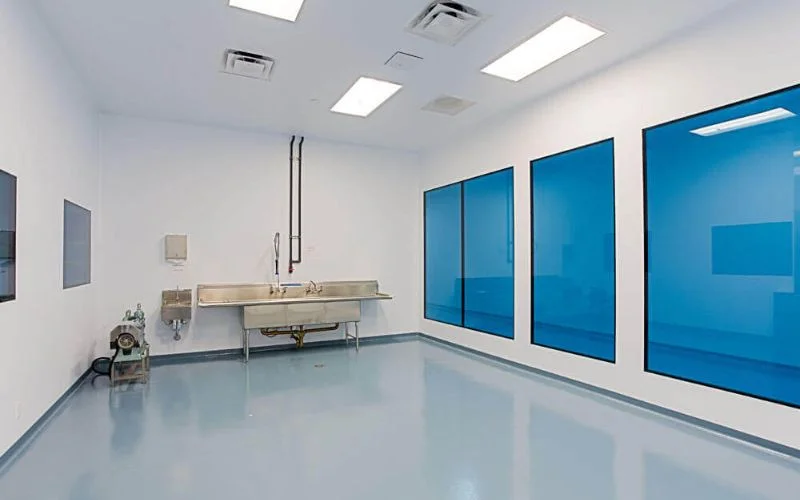
Cleanroom facilities are complex engineering environments designed to maintain strict control over airborne particles, temperature, humidity, and pressure. These controlled conditions are essential for industries such as pharmaceuticals, biotechnology, electronics, and medical device manufacturing, where even microscopic contamination can affect product quality and regulatory compliance.
Because of the technical and regulatory demands involved, cleanroom projects require careful coordination across multiple disciplines. Instead of managing separate contractors for design, construction, and validation, many organizations now prefer an integrated approach that simplifies execution and improves consistency.
A structured delivery model like Turnkey Cleanroom Solutions provides a unified process where a single provider manages the entire project lifecycle. This approach ensures smoother coordination, faster execution, and compliance with industry standards from start to finish.
Step 1: Requirement Analysis and Feasibility Study
Every turnkey cleanroom project begins with a detailed understanding of the client’s operational needs. This stage focuses on identifying the purpose of the cleanroom, industry requirements, and regulatory standards that must be met.
Key activities include:
- Defining cleanroom classification (ISO or GMP requirements)
- Understanding production workflows and equipment needs
- Evaluating contamination control requirements
- Assessing available facility space and constraints
This initial analysis ensures that the project is built on a clear and realistic foundation.
Step 2: Concept Design and Planning
Once requirements are defined, engineers and designers develop the initial cleanroom concept. This stage focuses on translating operational needs into a structured layout and system design.
Important design considerations include:
- Airflow direction and pressure zoning
- HVAC system configuration
- Personnel and material flow optimization
- Placement of equipment and utilities
At this stage, the overall structure of the cleanroom is established, ensuring that it supports both efficiency and compliance.
Step 3: Detailed Engineering and System Design
After concept approval, the project moves into detailed engineering. This phase involves precise technical planning of all cleanroom systems to ensure optimal performance and regulatory compliance.
Engineering elements typically include:
- HVAC load calculations and filtration design
- Temperature, humidity, and pressure control systems
- Electrical and utility integration planning
- Selection of cleanroom-grade materials and finishes
This step ensures that every technical detail is aligned with industry standards before construction begins.
Step 4: Manufacturing of Cleanroom Components
Once the design is finalized, modular components are manufactured under controlled conditions. These prefabricated systems are essential for ensuring quality consistency and reducing on-site construction time.
Typical components include:
- Wall and ceiling panel systems
- Cleanroom doors and windows
- Air handling units and filtration modules
- Support structures and sealing systems
Factory-controlled production ensures that all components meet strict quality and performance standards.
Step 5: On-Site Installation and Assembly
After manufacturing, components are transported to the project site for installation. This phase involves assembling the cleanroom structure and integrating all mechanical and electrical systems.
Installation activities include:
- Structural assembly of modular panels
- HVAC system installation and ductwork integration
- Electrical wiring and utility connections
- Sealing and contamination control verification
Proper installation is critical to ensuring that the cleanroom performs as designed.
Step 6: System Integration and Commissioning
Once installation is complete, all systems undergo integration and commissioning. This ensures that every component works together efficiently and meets performance expectations.
Key commissioning tasks include:
- Testing airflow patterns and pressure differentials
- Verifying HVAC performance and filtration efficiency
- Checking temperature and humidity control systems
- Calibrating monitoring and control systems
This step ensures that the cleanroom is fully functional and ready for validation.
Step 7: Validation and Compliance Testing
Validation is a critical stage in ensuring that the cleanroom meets regulatory requirements. This process confirms compliance with ISO standards, GMP guidelines, or other applicable regulations.
Validation activities typically include:
- Installation Qualification (IQ)
- Operational Qualification (OQ)
- Performance Qualification (PQ)
- Particle and environmental monitoring tests
Successful validation ensures that the facility is safe, compliant, and ready for operational use.
Step 8: Final Handover and Documentation
After successful validation, the cleanroom is officially handed over to the client. Comprehensive documentation is provided to support operational use and regulatory audits.
Documentation may include:
- System operation manuals
- Compliance and validation reports
- Maintenance guidelines
- Equipment specifications and certifications
This ensures that the client has full control and understanding of the facility’s operation and maintenance requirements.
Conclusion
A turnkey cleanroom project follows a structured, step-by-step process designed to ensure precision, efficiency, and compliance at every stage. From initial requirement analysis to final validation and handover, each phase is carefully managed to deliver a fully functional controlled environment.
By consolidating all stages under a single coordinated system, Turnkey Cleanroom Solutions help reduce complexity, improve quality control, and ensure faster project delivery for industries that depend on highly regulated manufacturing environments.