
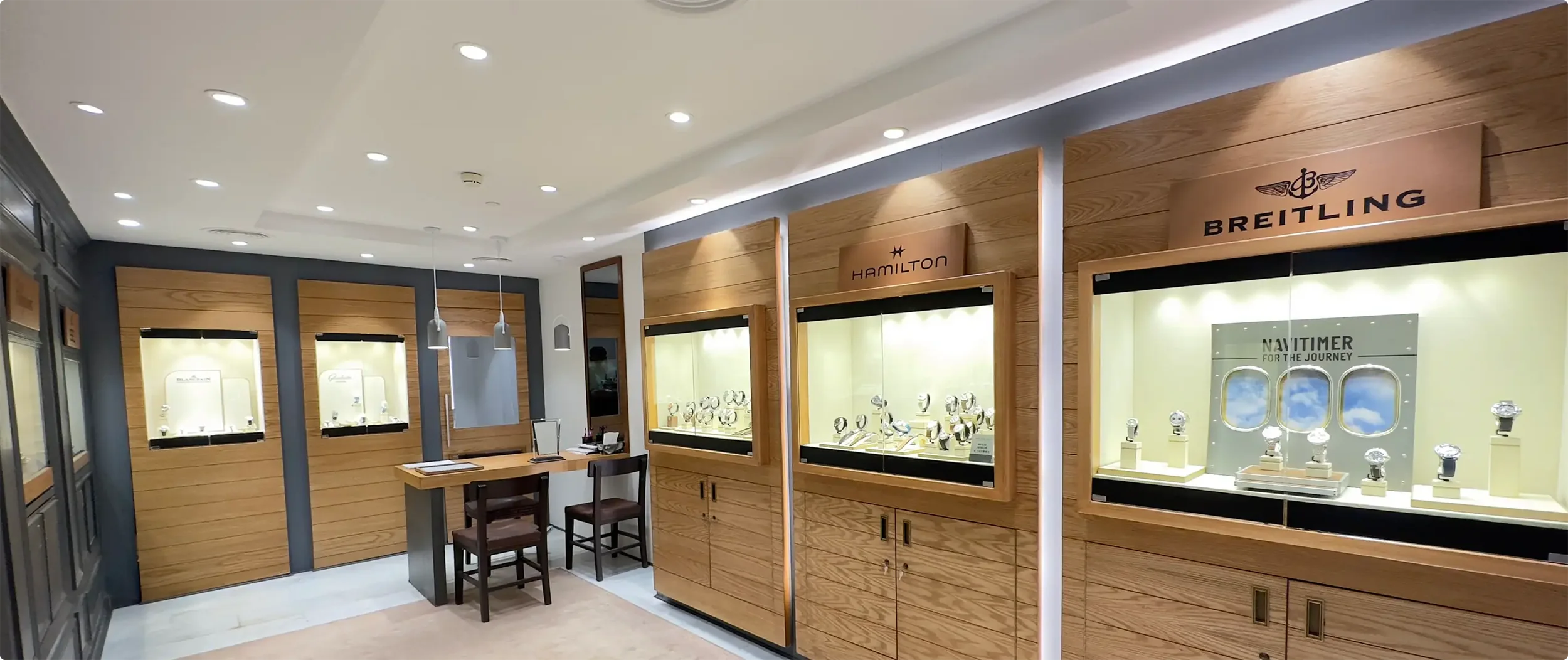
In retail environments, first impressions are formed in seconds, and watch stores are no exception. Because watches are high-value, detail-oriented products, customers instinctively scan the environment for cues that signal quality, trust, and brand identity. Understanding what draws attention first can help retailers design more effective and persuasive store layouts.
A well-designed Watch Store Display plays a central role in shaping that first impression. A carefully planned Watch Store Display ensures that key visual elements such as lighting, arrangement, and product positioning immediately capture attention and guide customers toward exploration.
Visual Balance and Overall Store Aesthetic
The very first thing customers notice is the overall visual harmony of the store. Before focusing on individual products, they subconsciously assess whether the space feels organized, modern, and aligned with luxury expectations.
Key elements that influence this perception include:
- Clean and uncluttered layouts
- Consistent design themes across displays
- Balanced spacing between products
- Cohesive color schemes
A visually balanced environment signals professionalism and helps customers feel more comfortable engaging with the products.
Lighting and Brightness Levels
Lighting is one of the most immediate attention-grabbing factors in any retail space. In watch stores, it not only enhances visibility but also influences emotional response and perceived value.
Customers tend to notice:
- Bright, focused spotlights on featured watches
- Soft ambient lighting that creates a welcoming atmosphere
- Reflections and highlights on metal and glass surfaces
- Contrast between illuminated and neutral areas
Proper lighting guides the customer’s eyes naturally toward key products, helping them focus on what matters most.
Eye-Level Product Placement
Where products are positioned within a display significantly affects what customers notice first. Items placed at eye level are naturally more likely to attract attention and engagement.
Retailers often use this principle to highlight:
- Best-selling watches
- New arrivals or limited editions
- High-margin premium collections
When important pieces are placed strategically, customers are more likely to stop, look closer, and interact with the display.
Store Entrance Displays and First Visual Impact
The entrance of a watch store is critical because it sets expectations before customers even step inside. The first display they see often determines whether they feel compelled to enter and explore further.
Effective entrance displays typically feature:
- Signature or flagship watch models
- Bold but elegant visual arrangements
- Strong lighting contrasts for visibility
- Minimal but impactful product groupings
This initial visual impact helps create curiosity and encourages customers to continue into the store.
Clarity and Organization of Display Layouts
Customers are naturally drawn to clarity. If a store feels confusing or overcrowded, it can discourage engagement. On the other hand, well-organized displays make it easier for customers to process information quickly.
They typically notice:
- Clearly defined product categories
- Logical grouping of styles or collections
- Easy-to-read spacing between watches
- Absence of visual clutter
A structured layout helps customers focus on products rather than trying to interpret the store design itself.
Material Quality and Fixture Design
Even before examining individual watches, customers often notice the materials used in the display fixtures. High-quality materials reinforce the perception of luxury and brand credibility.
Common visual cues include:
- Glass displays that enhance transparency and elegance
- Wooden finishes that add warmth and sophistication
- Metal accents that suggest modernity and strength
- Seamless construction and attention to detail
These subtle design elements contribute significantly to the overall impression of the store.
Featured and Highlighted Collections
Customers are naturally drawn to displays that stand out from the rest of the environment. Highlighted collections or featured products act as visual anchors within the store.
Retailers often emphasize:
- Limited-edition watches
- Seasonal collections
- Premium or flagship models
- Promotional highlights
By creating focal points, stores guide customer attention toward high-priority products without overwhelming them.
Emotional Atmosphere and Brand Feel
Beyond physical design, customers also pick up on the emotional tone of the store. This includes how the space makes them feel when they first enter.
Emotional cues include:
- A sense of luxury or exclusivity
- Comfort and ease of navigation
- Confidence in product quality
- Alignment with personal lifestyle or taste
A strong emotional atmosphere encourages customers to stay longer and explore more deeply.
Conclusion
What customers notice first in a watch store is a combination of visual design, lighting, layout, and emotional impact. These elements work together to form an immediate impression that influences how they perceive both the products and the brand.
A thoughtfully designed Watch Store Display ensures that this first impression is positive, engaging, and aligned with the brand’s identity. By focusing on clarity, lighting, structure, and presentation, retailers can create an environment that naturally attracts attention, builds trust, and encourages meaningful customer interaction.