
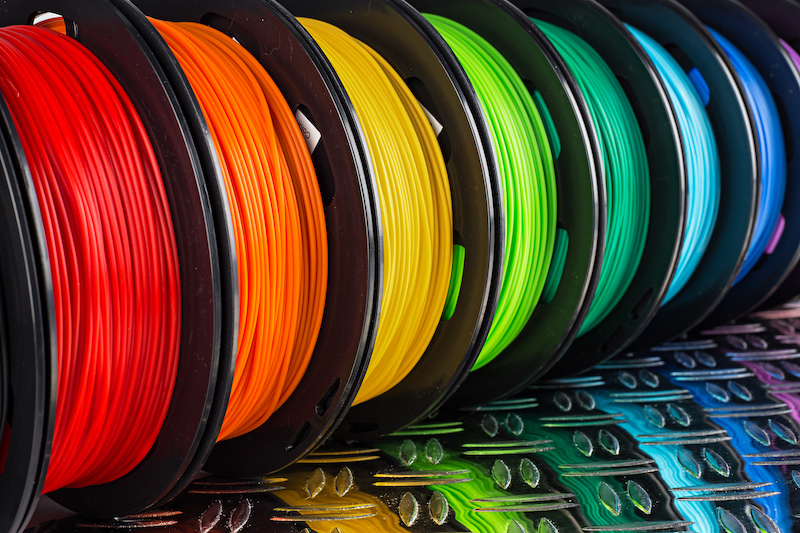
Proper storage and handling of materials play a crucial role in achieving consistent, high-quality results in additive manufacturing. Even the best printer settings can be compromised if the material absorbs moisture or becomes contaminated. Because most thermoplastic materials are sensitive to environmental conditions, maintaining correct storage practices is essential for long-term performance and reliability.
Different polymers react differently to humidity, temperature, and exposure to air. This makes understanding storage methods especially important for maintaining print quality and reducing failures. In modern manufacturing and hobbyist environments, 3D printing filament must be protected from environmental damage to ensure stable extrusion, strong layer adhesion, and consistent surface finish across all prints.
Why Proper Filament Storage Matters
Many commonly used 3D printing materials are hygroscopic, meaning they absorb moisture from the air. When this happens, the filament can degrade in performance, leading to poor print quality and structural weaknesses.
Moisture absorption can cause:
- Bubbling or popping during extrusion
- Weak layer bonding
- Stringing and oozing issues
- Rough or inconsistent surface finishes
- Reduced mechanical strength
Even small amounts of moisture can significantly impact print results, especially for engineering-grade materials.
Ideal Storage Conditions for Filament
To maintain filament quality, it is important to store materials in controlled environments that minimize exposure to humidity and temperature fluctuations.
Recommended storage conditions include:
- Low humidity (ideally below 20–30%)
- Stable room temperature
- Airtight containers or sealed bags
- Use of desiccant packs (silica gel)
Vacuum-sealed storage is one of the most effective methods for long-term preservation, especially for sensitive materials like Nylon and TPU.
Storage Methods for Different Filaments
Not all filaments require the same level of protection. Some materials are more sensitive to moisture than others.
PLA
PLA is relatively stable but can still absorb moisture over time. It should be stored in a dry, sealed container, especially in humid climates.
ABS
ABS is moderately sensitive to environmental conditions. Proper sealing helps maintain consistent extrusion and reduces warping issues during printing.
PETG
PETG is more hygroscopic than PLA and benefits significantly from dry storage conditions. Exposure to moisture can lead to stringing and poor print quality.
TPU and Nylon
These materials are highly moisture-sensitive and require strict storage control. Nylon, in particular, can absorb moisture quickly and should always be stored in vacuum-sealed bags with desiccants.
Drying Wet Filament
Even with proper storage, filament can still absorb moisture over time. Drying filament before use is an effective way to restore performance.
Common drying methods include:
- Using a filament dryer unit
- Oven drying at controlled low temperatures
- Heated storage boxes with humidity control
Each material has a different safe drying temperature range, so it is important to follow manufacturer guidelines to avoid deformation.
Handling Best Practices During Printing
Proper handling during printing is just as important as storage. Exposure to air during long print sessions can still affect filament quality.
Best practices include:
- Keeping filament spools covered when not in use
- Minimizing exposure time during printer setup
- Using dry boxes for long prints
- Avoiding direct contact with hands when possible
These steps help maintain consistent material flow and reduce the risk of print defects.
Common Storage Mistakes to Avoid
Many printing issues can be traced back to improper storage habits. Avoiding common mistakes can significantly improve print reliability.
Frequent mistakes include:
- Leaving filament exposed to open air for long periods
- Storing spools in humid environments like garages or basements
- Not using desiccants in storage containers
- Ignoring signs of moisture damage before printing
Recognizing and correcting these issues early can prevent wasted material and failed prints.
Environmental Factors and Long-Term Filament Stability
Environmental conditions such as humidity and temperature fluctuations play a major role in filament stability. In regions with high humidity, additional precautions such as dehumidifiers or climate-controlled storage may be necessary.
Long-term exposure to poor conditions can permanently degrade filament quality, making it brittle or inconsistent during extrusion. Proper environmental control ensures consistent performance across all printing projects.
Conclusion
Effective storage and handling of materials are essential for maintaining high-quality 3D printing results. Moisture, temperature, and exposure to air can all negatively impact filament performance, leading to failed prints and inconsistent output.
By following proper storage methods, using airtight containers, and drying materials when necessary, users can significantly improve reliability and print quality. Whether working with PLA, ABS, PETG, TPU, or Nylon, good filament care practices ensure consistent performance and extend the usable life of materials in any 3D printing workflow.