

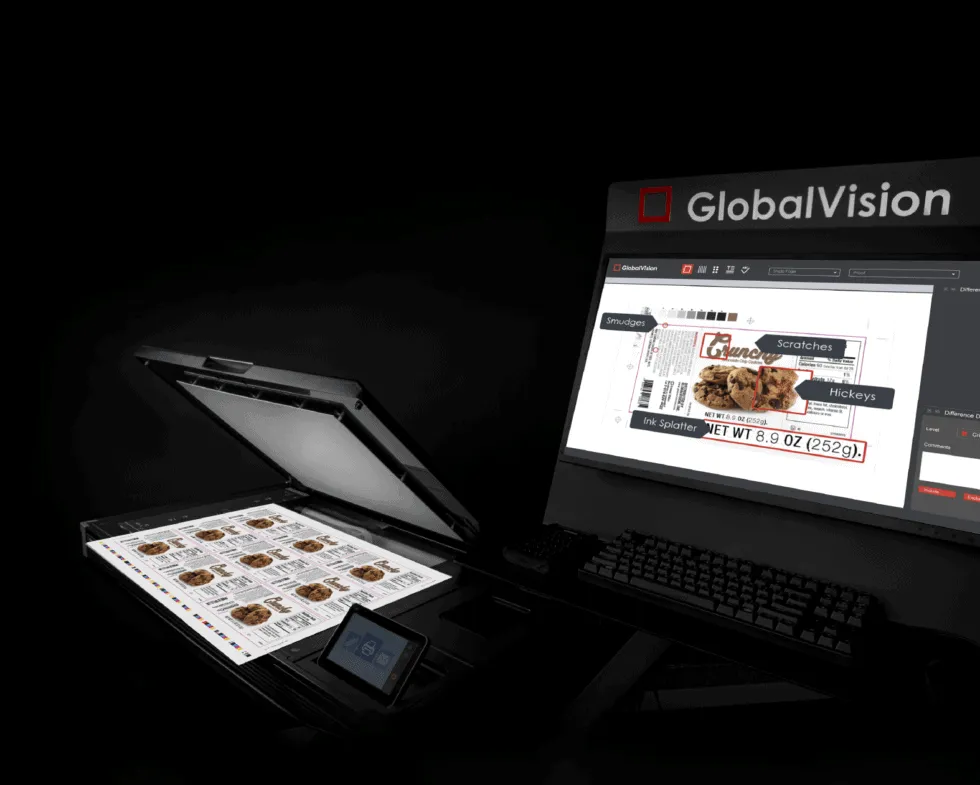
Maintaining high-quality standards in printing operations is essential for brand reputation, regulatory compliance, and customer satisfaction. As production lines become faster and more complex, relying solely on manual inspection methods is increasingly insufficient. Defects such as misprints, color inconsistencies, misaligned text, or damaged labels can lead to wasted materials, costly reprints, and even lost business. Integrated quality control systems provide a reliable solution to monitor and maintain quality throughout the printing process.
For manufacturers seeking to optimize production and ensure flawless output, a Print Inspection System offers a comprehensive approach. These systems combine advanced imaging technology, intelligent software, and real-time defect detection to ensure consistent quality across all printed materials. By integrating seamlessly with production lines, they reduce errors, increase efficiency, and provide valuable data for continuous improvement.
Key Components of Integrated Print Inspection Systems
An effective print inspection system includes several critical components that work together to enhance accuracy and quality control.
1. High-Resolution Imaging
High-resolution cameras form the backbone of any print inspection system. They capture detailed images of printed materials, allowing the system to detect even minor defects such as smudges, streaks, missing text, or misaligned graphics. By analyzing each detail of the print, manufacturers can prevent defective products from reaching customers.
2. Real-Time Defect Detection
One of the most significant advantages of integrated quality control systems is real-time monitoring. As products move along the production line, the system continuously scans and evaluates each item. Immediate detection of defects allows for corrective actions on the spot, reducing waste and maintaining production efficiency.
3. Color Accuracy and Verification
Maintaining consistent color is vital for branding and consumer recognition. Integrated print inspection systems feature color verification tools that compare printed materials against predefined color standards. This capability ensures uniformity across multiple production batches, preventing costly errors in packaging or marketing materials.
4. Alignment and Registration Control
Misaligned text or graphics can significantly impact the appearance and functionality of printed products. Print inspection systems include alignment and registration control features that verify proper placement of all elements. Detecting these issues early helps maintain consistency across production runs and improves overall product quality.
5. Automated Rejection Mechanisms
Many integrated systems include automated rejection mechanisms. When a defect is detected, the system can automatically remove the faulty item from the production line or trigger alerts for operator intervention. This automation minimizes human error and ensures only products meeting quality standards proceed to the next stage.
6. Data Collection and Analytics
Advanced print inspection systems provide detailed data collection and analytics capabilities. Information on defect types, frequency, production trends, and inspection results is recorded for analysis. Manufacturers can use this data to identify recurring problems, optimize workflows, and implement preventive measures. Data-driven insights enhance operational efficiency and support regulatory compliance.
Benefits of Integrated Print Inspection Systems
Implementing an integrated print inspection system offers multiple advantages for printing operations:
- Enhanced Quality Control: Detects defects early and ensures consistent product quality.
- Operational Efficiency: Real-time monitoring maintains production speed without sacrificing accuracy.
- Cost Reduction: Minimizes waste, rework, and material losses.
- Color Consistency: Ensures brand integrity through precise color verification.
- Regulatory Compliance: Supports industry standards and traceability requirements.
- Process Optimization: Data-driven insights help identify and prevent recurring defects.
Applications Across Industries
Integrated print inspection systems are used across a wide range of industries, including packaging, pharmaceuticals, food and beverages, consumer goods, and publishing. They are particularly valuable in applications requiring high precision, such as barcode verification, label printing, and product packaging. Their ability to operate at high speeds while maintaining accuracy makes them essential for large-scale and high-volume production environments.
Conclusion
Integrated quality control systems, such as advanced print inspection systems, are crucial for modern printing operations. By combining high-resolution imaging, real-time defect detection, color verification, alignment control, automated rejection, and data analytics, these systems ensure consistent quality, reduce waste, and improve operational efficiency. Manufacturers benefit from improved product standards, regulatory compliance, and enhanced customer satisfaction. Investing in an integrated print inspection system is a strategic decision that supports long-term success and maintains a competitive edge in today’s fast-paced printing industry.