
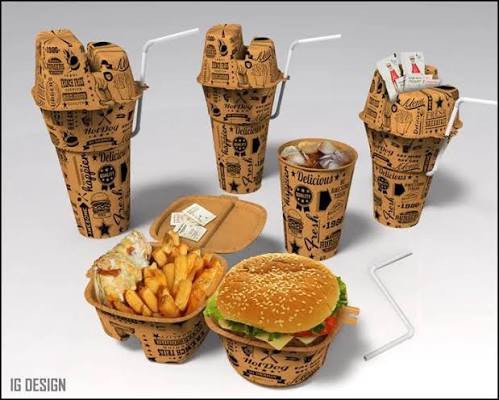
Fast food packaging is an essential part of the modern food service industry. Restaurants, takeaway outlets, food trucks, and delivery businesses depend on suitable packaging to protect prepared meals, maintain food quality, and provide convenient transportation. As customer demand for takeaway and home delivery continues to grow, packaging has become an important consideration for businesses of all sizes.
From burgers and sandwiches to fried chicken, fries, and complete meal combinations, every food product requires packaging that matches its characteristics. Choosing appropriate Fast Food Packaging helps businesses improve food presentation, simplify daily operations, and deliver a more consistent customer experience. Understanding the available materials, designs, and features can help restaurants make informed packaging decisions.
What Is Fast Food Packaging?
Fast food packaging refers to the containers, wrappers, boxes, bags, and other materials used to store, protect, and transport ready-to-eat meals.
It is designed to meet the practical requirements of quick-service restaurants and takeaway businesses. Unlike packaging used for long-term food storage, fast food packaging generally focuses on convenience, portion handling, food protection, and transportation.
Common examples include:
- Burger boxes.
- Sandwich containers.
- French fry cartons.
- Fried chicken boxes.
- Pizza boxes.
- Paper food trays.
- Takeaway meal containers.
- Food wrapping paper.
Each packaging type serves a particular purpose depending on the food’s size, temperature, moisture content, and serving requirements.
Why Is Fast Food Packaging Important?
Packaging performs several functions beyond simply holding food. It influences product quality, restaurant efficiency, and the overall customer experience.
1. Protecting Food from Contamination
Food packaging creates a protective barrier between prepared meals and the external environment. Properly designed containers help reduce exposure to dust, dirt, and unnecessary handling during transportation.
Restaurants must also maintain hygienic storage and packaging procedures to ensure that containers remain clean before use.
2. Maintaining Food Quality
Different foods have different packaging requirements. Suitable containers help manage moisture, grease, and physical pressure during transportation.
For example, ventilation can help reduce condensation in packaging used for fried foods, while appropriately fitted containers help prevent burgers and sandwiches from becoming compressed.
3. Improving Food Presentation
Customers often judge a takeaway meal by its appearance when they open the packaging.
Well-designed containers help maintain the arrangement of ingredients and prevent food from shifting during delivery. Clean and appropriately sized packaging also creates a more professional impression.
4. Supporting Convenient Transportation
Takeaway packaging should be easy to carry, stack, and handle. Secure closures and durable structures help reduce spills and accidental opening during transportation.
These features are particularly important for restaurants that receive large numbers of delivery orders.
Common Types of Fast Food Packaging
Different food products require different packaging designs. Selecting suitable containers helps businesses maintain food quality and improve operational efficiency.
Burger Boxes
Burger boxes are designed to hold assembled burgers securely. They provide enough internal space for buns, meat, vegetables, cheese, and sauces without unnecessarily compressing the ingredients.
Many designs use paperboard or other suitable food-contact materials with grease-resistant properties.
French Fry Containers
French fry containers are generally designed with open or partially enclosed structures. These designs allow customers to access their food easily while providing enough support to prevent spills.
Ventilation is an important consideration because trapped steam can affect the crispness of fried potatoes.
Fried Chicken Boxes
Fried chicken packaging needs sufficient strength to hold individual pieces or larger portions. Grease resistance and ventilation are important features because fried products can release oil and steam.
The container should also maintain its structure during transportation.
Sandwich Packaging
Sandwich containers protect soft bread and delicate fillings from compression. Compact designs help keep ingredients organized and make meals convenient to carry.
Some packaging options also include transparent windows for improved product visibility.
Pizza Boxes
Pizza boxes typically feature flat bases and protective lids. Corrugated cardboard is commonly used because its structure provides additional support for larger food products.
Proper dimensions help prevent pizza slices and toppings from shifting during delivery.
Meal Boxes
Meal boxes are suitable for complete food combinations containing rice, meat, vegetables, and side dishes.
Compartmentalized designs help keep different ingredients separate and improve the presentation of prepared meals.
Materials Used in Modern Fast Food Packaging
The material used in packaging affects its strength, appearance, moisture resistance, and environmental performance.
1. Paperboard
Paperboard is widely used in takeaway packaging because it is lightweight, printable, and available in different thicknesses.
It is suitable for various food containers, including burger boxes, sandwich packaging, and snack cartons.
2. Kraft Paper
Kraft paper is recognized for its natural appearance and practical strength. It is commonly used for food bags, wrappers, and selected takeaway containers.
Additional treatments may be necessary when packaging products with higher grease or moisture content.
3. Corrugated Cardboard
Corrugated cardboard contains a fluted middle layer between flat paper sheets. This structure provides additional strength and cushioning.
It is particularly useful for pizza boxes and larger food containers that require better structural support.
4. Plastic Packaging
Plastic containers are used for various food applications because they can offer moisture resistance, visibility, and different closure options.
Their suitability depends on the material type, temperature requirements, and applicable food-contact regulations.
5. Coated Paper Packaging
Some paper-based containers feature specialized coatings that improve resistance to grease and moisture.
Businesses should evaluate the coating composition and its impact on recycling or composting options before selecting these products.
Important Features of High-Quality Fast Food Packaging
Selecting suitable packaging requires attention to several functional characteristics.
Food Safety
Packaging materials must be appropriate for their intended food-contact applications. Businesses should check relevant specifications and compliance documentation.
Durability
Strong materials and properly designed structures help containers maintain their shape during filling, stacking, and delivery.
Grease Resistance
Foods containing oil, butter, and sauces require packaging that can resist grease penetration.
Moisture Management
Packaging should handle moisture without becoming weak or losing its structure. Ventilation may also be necessary for selected hot food products.
Appropriate Dimensions
Containers should match the size and quantity of food being served. Proper dimensions reduce unnecessary movement and help maintain presentation.
Secure Closures
Reliable folding mechanisms and lids help prevent containers from opening accidentally during transportation.
Easy Handling
Lightweight structures and practical opening mechanisms make packaging more convenient for restaurant employees and customers.
How to Choose the Right Fast Food Packaging for Your Business
Selecting packaging is an important purchasing decision. Restaurants should consider their menu, service model, storage capacity, and delivery requirements.
Understand Your Menu Requirements
Begin by identifying the different food products your business serves.
Burgers, fries, sandwiches, fried chicken, and complete meals may require different packaging structures. Choosing one container for every food category may result in poor product protection.
Consider Food Temperature
Packaging should be compatible with the temperature of the food.
Hot meals may require ventilation and suitable heat resistance, while chilled products need containers appropriate for refrigerated storage.
Evaluate Packaging Size
The container should fit the food comfortably without excessive empty space. Proper sizing protects food and helps minimize unnecessary material consumption.
Check Material Performance
Review the material’s strength, grease resistance, and moisture protection. Testing samples with actual menu items can help identify potential weaknesses.
Compare Costs
Businesses should consider more than the initial unit price. Material quality, durability, customization expenses, and supplier reliability also influence overall purchasing value.
Assess Supplier Capabilities
A dependable supplier should provide clear product specifications, consistent quality, customization options, and reliable delivery schedules.
The Role of Custom Packaging in Restaurant Branding
Packaging is also an effective communication tool for food businesses.
Custom-designed containers allow restaurants to display their logos, colors, business names, and promotional information. This creates a recognizable appearance across takeaway and delivery orders.
Some popular customization options include:
- Printed business logos.
- Custom brand colors.
- Product names and descriptions.
- Promotional messages.
- Website and social media details.
- Special packaging designs for seasonal campaigns.
Branding should remain clear and readable without compromising packaging functionality or food safety.
Sustainable Trends in Fast Food Packaging
Environmental concerns are influencing packaging decisions across the food service industry.
Many businesses are exploring materials and designs that reduce unnecessary waste while maintaining reliable food protection.
Recyclable Paper-Based Materials
Paperboard and kraft paper products may be recyclable depending on their composition, coatings, food contamination, and local recycling facilities.
Recycled Material Content
Some packaging products incorporate recycled fibers where suitable food-contact requirements can be met.
Compostable Packaging
Certified compostable materials may provide an option for businesses with access to appropriate composting facilities.
Material Reduction
Efficient structural designs can reduce unnecessary material consumption without compromising packaging strength.
Restaurants should evaluate environmental claims carefully and consider the complete packaging lifecycle, including manufacturing, transportation, collection, and disposal.
Common Fast Food Packaging Mistakes to Avoid
Poor packaging decisions can affect food quality and create unnecessary operational expenses.
Some common mistakes include:
- Choosing containers based only on the lowest price.
- Ignoring grease and moisture resistance.
- Selecting incorrect box dimensions.
- Using packaging without checking food-contact suitability.
- Overlooking ventilation requirements for hot foods.
- Failing to test packaging before bulk purchasing.
- Neglecting storage and handling conditions.
Avoiding these mistakes helps businesses select packaging that performs consistently and supports their daily operations.
Future Developments in Fast Food Packaging
The food packaging industry continues to evolve through improvements in materials, manufacturing technology, and product design.
Manufacturers are exploring stronger fiber-based materials, improved protective coatings, efficient box structures, and alternative packaging solutions.
Digital printing and customization technologies are also providing businesses with more opportunities to develop distinctive packaging designs.
In the coming years, food packaging is likely to place greater emphasis on material efficiency, food protection, convenient handling, and responsible disposal.
The Importance of Choosing a Reliable Packaging Manufacturer
A reliable packaging manufacturer can help businesses identify suitable products for different food applications.
Restaurants should evaluate manufacturing capabilities, quality control procedures, material specifications, customization services, and production capacity before establishing a supplier relationship.
Companies such as Uchampak operate in the food packaging industry, where product variety and application-specific designs help meet the requirements of restaurants and takeaway businesses.
Maintaining clear communication with packaging suppliers can also help businesses manage bulk orders, product specifications, and delivery schedules more effectively.
Conclusion
Fast food packaging is an essential part of modern restaurant and takeaway operations. It protects prepared meals, supports food presentation, simplifies transportation, and improves customer convenience.
Selecting suitable packaging requires careful consideration of materials, durability, dimensions, grease resistance, moisture management, and food safety. Businesses should also evaluate customization opportunities and environmental considerations when making purchasing decisions.
By understanding these requirements and working with dependable suppliers, restaurants can develop effective packaging strategies that support food quality, operational efficiency, and long-term business growth.