
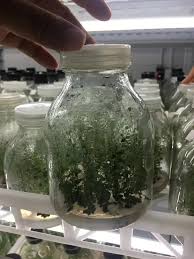
Finding a reliable plant supplier is an important decision for commercial nurseries, garden centers, landscaping businesses, and horticultural distributors. The quality of planting material directly affects cultivation results, inventory management, and customer satisfaction. As demand for ornamental and agricultural plants continues to grow, businesses need suppliers capable of providing healthy plants in suitable quantities and within agreed delivery schedules.
When sourcing Wholesale Tissue Culture Plants, buyers should look beyond competitive pricing and consider factors such as production standards, plant health, variety availability, packaging, and shipping arrangements. Choosing the right supplier can help businesses maintain consistent operations while reducing the risks associated with large-scale plant purchasing.
Understand Your Business Requirements First
Before contacting potential suppliers, clearly identify your nursery’s purchasing requirements. Different businesses have different expectations depending on their production capacity, target customers, and available growing facilities.
Consider the following factors:
- Plant varieties: Identify the ornamental, foliage, flowering, or agricultural species you need.
- Order quantities: Estimate the number of plantlets required for each purchasing cycle.
- Plant development stage: Decide whether you need laboratory-stage, rooted, or acclimatized plants.
- Delivery schedule: Determine when the plants must arrive to match your cultivation plans.
- Budget: Establish a purchasing budget that includes transportation and handling expenses.
Having these details prepared makes supplier comparisons more accurate and helps prevent misunderstandings during the ordering process.
Key Factors to Consider When Choosing a Wholesale Tissue Culture Plant Supplier
1. Evaluate the Supplier’s Industry Experience
Experience is one of the first factors worth examining when selecting a tissue culture plant supplier. Companies with established experience in commercial plant propagation are generally more familiar with laboratory procedures, plant development requirements, and the challenges of supplying large orders.
Look for information about the supplier’s background, production facilities, product categories, and experience serving commercial customers.
You can also ask how long the company has been supplying tissue culture plants and whether it regularly handles international orders.
2. Check Plant Quality and Health Standards
Plant quality should be a primary consideration when comparing suppliers. Even competitive prices offer limited value if the delivered plants are unhealthy or unsuitable for cultivation.
A reliable supplier should have appropriate quality-control procedures throughout the propagation process.
Pay attention to:
- Healthy leaf development and natural coloration.
- Well-developed roots where applicable.
- Correct plant identification and variety labeling.
- Absence of visible contamination or unusual damage.
- Consistent plant development within individual batches.
Request recent photographs, videos, or sample plants to evaluate product condition before committing to a large order.
3. Examine Laboratory and Production Facilities
Tissue culture propagation requires controlled laboratory conditions. Sterile equipment, suitable nutrient media, proper lighting, and environmental management all contribute to successful plant production.
When possible, review the supplier’s production facilities or request information about its laboratory procedures.
Important aspects to investigate include sterilization methods, contamination monitoring, multiplication techniques, and plant acclimatization processes.
A well-managed production facility demonstrates that the supplier understands the technical requirements of tissue culture propagation.
4. Review Plant Variety Availability
Commercial nurseries often need multiple plant varieties to serve different customer groups. A supplier with a diverse product range can make procurement easier and provide more flexibility when planning inventory.
Popular tissue culture categories include:
- Foliage plants: Monstera, Philodendron, Aglaonema, and Calathea.
- Indoor ornamental plants: Syngonium, Pothos, and selected decorative ferns.
- Flowering plants: Orchids, chrysanthemums, and gerberas.
- Agricultural plants: Banana, strawberry, and other selected crop varieties.
Before placing an order, confirm whether the supplier can provide the exact species and cultivars you require.
It is also useful to ask about seasonal availability and the possibility of reserving specific varieties for future orders.
5. Compare Minimum Order Quantities and Pricing
Wholesale suppliers may have different minimum order requirements depending on plant variety, production capacity, and packaging arrangements.
Compare quotations from several suppliers, but avoid making decisions based exclusively on the lowest price.
A detailed quotation should ideally explain:
- Unit prices and total order costs.
- Minimum order quantities.
- Packaging charges.
- Shipping and transportation expenses.
- Payment terms.
- Estimated production and delivery timelines.
Understanding the complete cost structure helps buyers identify suppliers offering reasonable value rather than simply attractive initial prices.
6. Assess Packaging and Shipping Capabilities
Transportation is particularly important when purchasing living plants. Tissue culture plantlets can be sensitive to temperature changes, physical damage, and unsuitable environmental conditions.
A dependable supplier should understand how to prepare plants for transportation and use packaging appropriate for their development stage.
Ask about container types, protective materials, temperature considerations, and estimated transit duration.
For international shipments, confirm whether the supplier can provide the necessary phytosanitary documentation and other export paperwork. Buyers should also check the destination country’s plant import requirements before arranging transportation.
7. Investigate Customer Reviews and Reputation
A supplier’s reputation can provide useful information about its reliability and service quality.
Look for customer feedback on independent business directories, industry platforms, and relevant horticultural communities.
Pay attention to comments concerning:
- Accuracy of product descriptions.
- Plant condition upon arrival.
- Order fulfillment and delivery performance.
- Communication and customer support.
- Handling of complaints or quality issues.
A supplier with positive feedback from commercial buyers may offer greater confidence than a company with limited verifiable business information.
However, reviews should be considered alongside product samples, documentation, and direct communication.
Questions to Ask Before Partnering With a Supplier
Before finalizing a wholesale purchasing agreement, buyers should ask specific questions to understand the supplier’s capabilities.
Questions About Production
- Which tissue culture plant varieties do you currently produce?
- What production methods and quality-control procedures do you follow?
- Are the plants supplied directly from the laboratory or after acclimatization?
- Can you maintain consistent production quantities for repeat orders?
Questions About Orders and Pricing
- What is your minimum order quantity?
- Do you offer different pricing for larger purchases?
- How long does production take for specific varieties?
- Are samples available before placing a bulk order?
Questions About Shipping
- Which countries and regions do you ship to?
- How are plants packaged for transportation?
- What export documents can you provide?
- How do you handle damaged or delayed shipments?
Clear answers to these questions can help buyers understand whether a supplier is suitable for their long-term requirements.
Common Mistakes to Avoid When Selecting a Supplier
Choosing the wrong supplier can create unnecessary expenses and disrupt nursery operations. Buyers should avoid several common mistakes during the selection process.
Choosing Based Only on Low Prices
Extremely low quotations may appear attractive, but buyers should investigate whether the price reflects the actual plant quality, development stage, and shipping requirements.
A slightly higher price may offer better overall value if the supplier provides healthier plants and more dependable service.
Ignoring Plant Development Stages
Laboratory-stage plantlets and acclimatized plants have different handling requirements. Buyers who misunderstand these differences may struggle to maintain plant health after delivery.
Always confirm the condition and development stage of the products being purchased.
Ordering Large Quantities Without Testing Samples
Starting with a large order without evaluating product quality can increase financial and operational risks.
Whenever possible, test samples first to assess plant condition, variety accuracy, and compatibility with your growing facilities.
Overlooking Communication Quality
Poor communication can create misunderstandings about product specifications, payment arrangements, and delivery schedules.
Choose a supplier that responds clearly, provides relevant information, and communicates any production or shipping changes promptly.
Benefits of Building a Long-Term Supplier Relationship
Once a suitable supplier has been identified, maintaining a professional business relationship can provide several advantages.
More Predictable Purchasing Arrangements
Regular communication helps both parties understand future requirements and coordinate production schedules. This can make it easier to plan recurring orders and maintain adequate inventory.
Better Understanding of Product Requirements
Long-term cooperation allows suppliers to become familiar with a buyer’s preferred varieties, quantities, packaging expectations, and quality standards.
This familiarity can reduce communication gaps and simplify future transactions.
Easier Business Expansion
As nurseries grow, their purchasing requirements may change. A supplier with suitable production capacity can help accommodate increased demand and introduce additional plant varieties.
Businesses looking for established sourcing options can explore companies such as Young Plants when evaluating suppliers for commercial tissue culture requirements.
How to Compare Multiple Wholesale Suppliers
Comparing suppliers systematically makes the selection process more objective. Rather than relying on general impressions, buyers can evaluate each company against the same purchasing criteria.
| Evaluation factor | What buyers should check |
|---|---|
| Experience | Industry background and commercial supply history |
| Plant quality | Health, roots, and variety accuracy |
| Production | Laboratory standards and capacity |
| Product range | Available species and cultivars |
| Pricing | Unit costs and additional charges |
| Shipping | Packaging and delivery arrangements |
| Documentation | Export and phytosanitary requirements |
| Customer support | Communication and problem resolution |
A supplier that performs well across these categories may be a stronger choice than one offering only competitive prices.
Future Trends in the Tissue Culture Plant Supply Industry
The tissue culture industry continues to develop as commercial growers seek more efficient ways to produce and distribute plants.
Automation is becoming increasingly important in laboratory operations. Advanced equipment can support more controlled processes, reduce repetitive manual work, and improve production efficiency.
Another developing area is the use of improved propagation protocols for specific plant varieties. These techniques can help laboratories address contamination challenges and optimize multiplication rates.
Demand for unusual ornamental foliage plants is also encouraging suppliers to expand their product selections. Meanwhile, improvements in packaging and transportation are helping businesses manage international plant shipments more effectively.
For buyers, understanding these developments can help identify suppliers that are investing in modern production methods and adapting to changing horticultural requirements.
Conclusion
Choosing a reliable wholesale tissue culture plant supplier requires careful evaluation of plant quality, production capabilities, product availability, pricing, and transportation arrangements. Commercial nurseries should also examine supplier experience, customer feedback, and communication standards before committing to large orders.
Taking time to compare different suppliers and evaluate samples can reduce purchasing risks and support more consistent cultivation results.
Ultimately, the best supplier is not necessarily the one offering the lowest price. It is the one that can consistently meet your business requirements, provide suitable planting material, and support dependable long-term purchasing arrangements.