
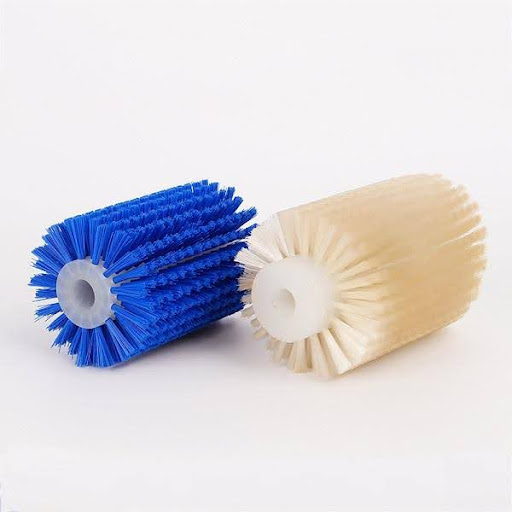
Industrial roller brush machines are used to manufacture brushes that support cleaning, polishing, surface treatment, material handling, and other production processes. Because roller brushes can be produced in different sizes, densities, and filament materials, they are suitable for a wide range of industrial applications.
For manufacturers researching Industrial Roller Brush Machines For Sale, understanding the industries that use these machines can help clarify their potential applications. Different sectors may require specific brush designs depending on the material being processed and the desired result.
Metalworking and Fabrication
The metalworking industry uses roller brushes for cleaning, deburring, polishing, and surface preparation. Brushes with abrasive or wire filaments can help remove unwanted material and prepare metal surfaces for subsequent processes.
The appropriate brush depends on the type of metal, surface condition, and level of treatment required. Consistent bristle placement is particularly important when brushes are used in automated equipment.
Woodworking and Furniture Manufacturing
Woodworking operations use roller brushes for cleaning, sanding, polishing, and surface preparation. Brushes can remove sawdust and loose particles from wooden components before finishing or assembly.
Different brush materials and configurations can be selected according to the type of wood and the desired surface effect. Automated roller brushes can also be integrated into continuous production lines.
Food and Agricultural Processing
Roller brushes are used in some food and agricultural processing equipment for cleaning, sorting, conveying, and handling products. Brush design is important because the surface being handled may require gentle contact.
The choice of filament material and brush construction should take into account the operating environment and applicable hygiene requirements.
Glass and Ceramic Manufacturing
Glass and ceramic products may require cleaning or surface treatment during manufacturing. Roller brushes can help remove dust, particles, and other residues as products move through production equipment.
Since glass and finished ceramic surfaces can be sensitive to scratches, manufacturers need to select brush filaments and operating conditions carefully.
Packaging and Printing
The packaging and printing industries use brushes for cleaning, guiding, handling, and transporting materials. Roller brushes can be incorporated into automated systems where consistent contact is needed as products move through production.
Proper brush dimensions and positioning can help maintain stable operation and reduce unwanted contact with sensitive materials.
Conveyor and Material Handling
Roller brushes are also used in material handling systems. They can help move, guide, separate, clean, or position products along conveyor lines.
Brushes used for these applications can be designed with different filament stiffness and density depending on the weight, shape, and surface characteristics of the products.
Automotive Manufacturing
Automotive production involves numerous cleaning, finishing, and surface preparation processes. Roller brushes can be used to remove debris, treat surfaces, or support specific manufacturing operations.
The brush specifications depend on the component being processed and the required level of cleaning or finishing. Consistent machine performance is important in high-volume automotive production.
Electronics and Precision Manufacturing
Some electronics and precision manufacturing processes require controlled cleaning of components and surfaces. Roller brushes with fine or softer filaments can be considered where aggressive contact could damage sensitive parts.
The exact brush configuration depends on the component material, contamination type, and cleaning process.
Recycling and Material Processing
Recycling facilities and material processing operations can use industrial brushes for cleaning, sorting, conveying, and separating materials. These environments may require durable brushes capable of handling continuous operation and abrasive conditions.
Brush construction and filament selection should be based on the type of material being processed and the operating environment.
Surface Finishing and Polishing
Many industries use roller brushes as part of surface finishing operations. Depending on the filament type, brushes can provide light polishing, cleaning, texturing, or more aggressive surface treatment.
The ability to manufacture brushes with different densities and filament characteristics makes roller brush machines useful for specialized finishing requirements.
Why Brush Specifications Matter
Although the same type of machine may serve different industries, the finished roller brush can vary significantly from one application to another. Important specifications include brush diameter, working length, bristle density, filament material, and stiffness.
Manufacturers should identify the intended application before choosing equipment. This helps ensure that the machine can produce brushes that meet the required performance and dimensional specifications.
Final Thoughts
Industrial roller brush machines support a diverse range of industries, including metalworking, woodworking, food processing, automotive manufacturing, packaging, material handling, recycling, and surface finishing.
The specific brush design will depend on the application, production volume, and material being processed. By understanding these requirements in advance, manufacturers can select suitable equipment and produce roller brushes that deliver consistent performance across different industrial environments.