
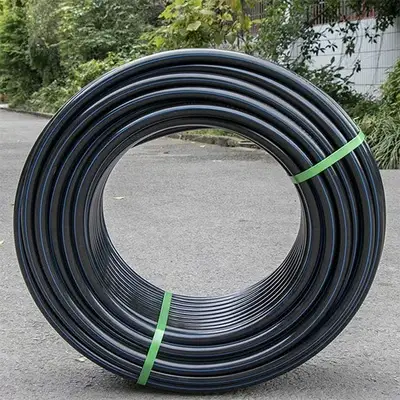
Purchasing irrigation pipes in bulk can help farmers manage costs, prepare for large agricultural projects, and maintain a consistent supply of essential irrigation materials. However, ordering large quantities requires careful planning to ensure that the selected pipes meet the farm’s technical requirements, installation conditions, and long-term water management goals.
Before placing a bulk order, farmers should evaluate pipe quality, material type, dimensions, pressure ratings, delivery arrangements, and supplier reliability. Consulting an experienced Irrigation Pipe Manufacturer can help buyers compare suitable products and understand which specifications are appropriate for their irrigation systems. A well-planned purchase can reduce unnecessary expenses, prevent material shortages, and simplify installation.
1. Calculate the Farm’s Irrigation Requirements
The first step in purchasing irrigation pipes in bulk is determining how much piping the project actually requires. Ordering too little can delay installation, while purchasing excessive quantities may tie up capital and create storage challenges.
Start by reviewing the farm’s layout, the distance between water sources and irrigation areas, and the number of distribution lines required. Consider the irrigation method, crop spacing, field dimensions, and expected water demand.
It is helpful to prepare a basic material list that includes:
- Main distribution pipes and secondary lines
- Drip irrigation tubes or sprinkler supply pipes
- Connectors, valves, and compatible fittings
- Filters and other necessary accessories
- Additional material for reasonable installation contingencies
Accurate planning helps farmers order suitable quantities and avoid unnecessary waste.
2. Choose the Right Pipe Material
Irrigation pipes are available in different materials, and each option has characteristics that make it suitable for particular applications. Material selection should depend on the irrigation method, operating conditions, and installation environment.
Polyethylene Pipes
Polyethylene (PE) pipes are commonly used in agricultural irrigation because they are flexible, lightweight, and resistant to corrosion. They are often suitable for drip irrigation systems and water distribution networks that require flexibility.
Farmers should compare the material grade, wall thickness, and pressure rating before selecting a product. These specifications help determine whether the pipe is suitable for the intended use.
PVC Pipes
PVC pipes are frequently used in rigid water distribution systems. They can be a practical choice for fixed pipelines where flexibility is less important.
However, installation requirements, pressure ratings, and environmental conditions must be considered. The selected pipe should match the system’s operating requirements.
Drip Irrigation Tubing
Drip tubing is designed to deliver water close to plant roots and is widely used for vegetables, orchards, vineyards, and greenhouse crops.
When purchasing drip tubing in bulk, check emitter spacing where applicable, flow rates, connector compatibility, and filtration requirements. Consistent specifications are especially important when installing extensive drip irrigation networks.
3. Compare Bulk Pricing and Total Costs
Bulk purchases may provide lower unit prices, but the lowest quotation does not always represent the best value. Differences in material quality, dimensions, pressure capacity, and warranty coverage can make direct price comparisons misleading.
Request quotations based on identical product specifications and quantities. This makes it easier to identify meaningful price differences between suppliers.
Farmers should also account for expenses beyond the pipe price, including transportation, unloading, storage, installation, and replacement risks. Depending on the order size, delivery charges and minimum order requirements may significantly affect the final cost.
Evaluating the total purchase cost helps buyers balance immediate savings with long-term reliability.
4. Verify Pipe Dimensions and Pressure Ratings
Pipe dimensions and pressure ratings are critical when ordering large quantities. If the selected pipes cannot meet the system’s flow or pressure requirements, the entire irrigation network may experience performance problems.
Before confirming an order, verify the following specifications:
- Nominal diameter and actual dimensions
- Wall thickness and material grade
- Rated operating pressure
- Required flow rate and expected pressure losses
- Compatibility with existing pipes, fittings, and valves
Pipe sizing should account for pipeline length, water demand, elevation changes, and the number of outlets. For larger agricultural installations, a qualified irrigation designer can help determine the appropriate specifications.
Confirming these details before production or dispatch can reduce the risk of receiving unsuitable products in bulk.
5. Evaluate the Manufacturer’s Quality Standards
When purchasing irrigation pipes in large quantities, consistent product quality is just as important as the specifications of an individual pipe. Variations between production batches can create installation difficulties and affect the performance of the finished system.
Ask suppliers about their quality control procedures and request relevant technical documentation. Depending on the application, useful records may include material specifications, dimensional checks, pressure test results, and certifications against applicable standards.
It is also important to understand how the manufacturer handles defective products and quality-related complaints. Clear procedures can help resolve issues more efficiently if problems are identified after delivery.
Where practical, inspect samples before confirming a large order. Samples cannot guarantee the quality of every production batch, but they can help buyers assess dimensions, finish, and general suitability.
6. Check Production Capacity and Delivery Schedules
Agricultural projects often follow seasonal schedules, making timely delivery particularly important. A delayed shipment can postpone installation and interfere with planned irrigation activities.
Before placing a bulk order, discuss the supplier’s production capacity, available inventory, estimated lead time, and delivery arrangements. For large or repeat orders, clarify whether the supplier can maintain consistent product specifications throughout the supply period.
Buyers should also confirm the delivery location, packaging method, unloading responsibilities, and procedures for reporting shortages or transit damage.
A clear delivery agreement helps farmers coordinate labor, equipment, and installation schedules more effectively.
7. Plan Proper Storage Before Delivery
Irrigation pipes may occupy considerable space when purchased in large quantities. Planning storage in advance helps protect the materials and prevents unnecessary handling problems.
The storage method should match the pipe material and the manufacturer’s recommendations. Pipes should be kept on a suitable surface, protected against avoidable physical damage, and stacked or coiled according to product requirements.
For pipes sensitive to prolonged sunlight exposure, appropriate protection may be necessary. Avoid placing heavy objects on products or storing them in ways that cause deformation.
Before delivery, make sure the storage area is accessible to transport vehicles and has enough capacity for the expected shipment. Proper storage helps preserve product condition until installation begins.
8. Confirm Fittings and System Compatibility
Purchasing pipes without the correct fittings can delay installation and create additional costs. Even when pipes have the same nominal diameter, differences in dimensions or connection standards may affect compatibility.
Prepare a complete list of connectors, valves, couplings, adapters, and other accessories required for the project. Confirm that each component is suitable for the selected pipe material and operating pressure.
If the new piping will connect to an existing irrigation network, measure the existing components and verify connection requirements before ordering.
Buying compatible components together can simplify procurement and reduce the likelihood of installation problems.
9. Review Warranty and After-Sales Support
Warranty coverage is an important consideration when purchasing irrigation pipes in bulk because defects affecting a large shipment can have significant financial consequences.
Before placing an order, review the warranty period, covered defects, exclusions, and claim procedures. Ask whether supporting documentation or inspection records are required when reporting a problem.
Farmers should also assess the supplier’s responsiveness to technical questions and replacement requests. Access to reliable support can be valuable when managing large installations or resolving unexpected issues.
Keep copies of quotations, invoices, product specifications, delivery records, and warranty documents for future reference.
10. Avoid Common Bulk Purchasing Mistakes
A few preventable mistakes can reduce the value of a bulk irrigation pipe purchase. Taking time to verify the details before payment and delivery can help avoid unnecessary expenses.
Common mistakes include:
- Ordering quantities without measuring the irrigation layout.
- Choosing products based only on the lowest price.
- Overlooking pressure ratings and pipe dimensions.
- Failing to confirm fittings and connection compatibility.
- Ignoring transportation and storage requirements.
- Accepting vague delivery commitments without a clear schedule.
- Skipping quality checks and documentation.
A structured purchasing process makes it easier to compare suppliers and maintain control over the project budget.
Conclusion
Purchasing irrigation pipes in bulk requires careful consideration of quantity, material quality, technical specifications, pricing, delivery, and storage. Farmers who plan these details in advance are better positioned to avoid installation delays, reduce waste, and manage their irrigation investments effectively.
Before finalizing an order, compare suppliers using consistent specifications and confirm that the products suit the farm’s water requirements and operating conditions. By combining accurate planning with quality checks and reliable supply arrangements, farmers can build irrigation systems that support efficient water distribution and dependable agricultural production.