

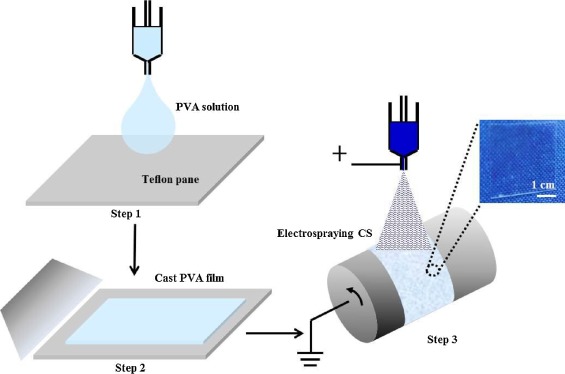
Water soluble films have become an essential material for industries seeking sustainable and efficient packaging solutions. Made primarily from polyvinyl alcohol (PVA), these films dissolve completely in water, reducing environmental waste while offering convenience and versatility. With growing awareness of environmental concerns and the demand for eco-friendly materials, water soluble films have gained prominence in sectors like packaging, pharmaceuticals, detergents, and agriculture. Understanding their key properties, advantages, and applications is critical for businesses looking to integrate this innovative technology.
Leading suppliers provide high-quality Water Soluble Film that combines performance, reliability, and sustainability. These films are produced using advanced manufacturing techniques to ensure consistent solubility, mechanical strength, and durability. By partnering with experienced manufacturers, businesses gain access to customizable solutions tailored to their specific needs. Whether it is single-dose packaging, controlled-release agricultural products, or medical applications, water soluble films offer innovative solutions that meet the operational and environmental goals of modern industries.
Key Properties of Water Soluble Film
Water soluble films possess several characteristics that make them suitable for industrial applications:
- Solubility: The primary feature of these films is their ability to dissolve in water completely. Solubility can be adjusted to meet different needs, such as rapid dissolution for detergent pods or slower release for agricultural chemicals.
- Mechanical Strength: Despite being water-soluble, these films exhibit excellent tensile and tear resistance. This property ensures that they can withstand handling, transportation, and automated packaging processes without breaking prematurely.
- Transparency: High-quality films are clear, allowing for visibility of the packaged product. This transparency is particularly useful in packaging applications where visual inspection is important.
- Biodegradability: PVA-based films break down naturally in water, leaving no harmful residues. This makes them an environmentally friendly alternative to conventional plastic packaging.
- Chemical Compatibility: Water soluble films are compatible with a wide range of substances, including detergents, fertilizers, pharmaceuticals, and other chemicals, ensuring that the packaged products remain stable and safe.
Benefits of Water Soluble Film
The adoption of water soluble films brings multiple advantages to industries:
- Environmental Sustainability: Their biodegradable nature reduces plastic pollution and aligns with global sustainability initiatives.
- Convenience: Single-dose packaging minimizes manual handling, reduces errors, and simplifies the usage process for end consumers.
- Enhanced Safety: By providing a sealed and protective package, water soluble films reduce the risk of contamination and exposure to potentially harmful substances.
- Operational Efficiency: These films help optimize production processes by reducing spillage, minimizing waste, and improving handling efficiency.
- Versatility: Water soluble films can be tailored in thickness, size, solubility rate, and strength to meet the requirements of various industrial applications.
Industrial Applications of Water Soluble Film
Water soluble films are used across several industries due to their flexibility and convenience:
- Packaging: The most common application is in single-dose detergent pods, cleaning products, and soaps. The films dissolve completely in water, providing precise dosing and reducing waste.
- Pharmaceuticals and Healthcare: Films are used for capsule packaging, single-dose medications, and medical device coverings. Their non-toxic and hygienic properties ensure safe usage in sensitive applications.
- Agriculture: Fertilizers, pesticides, and seeds can be encapsulated in water soluble films for controlled release. This allows precise delivery, reduces environmental contamination, and increases efficiency.
- Industrial Chemicals: Chemicals requiring safe handling and exact dosing benefit from water soluble film packaging, which prevents spills and contamination while simplifying distribution.
- Cosmetics and Food Additives: Specialty powders, flavorings, and cosmetic ingredients are packaged in water soluble films for convenience and hygiene. The films ensure consistent dosage and reduce handling errors.
Conclusion
Water soluble films provide a unique combination of properties, benefits, and industrial applications. Their solubility, strength, transparency, biodegradability, and chemical compatibility make them an ideal choice for modern industries aiming for efficiency and sustainability. By reducing environmental impact, enhancing safety, and improving operational performance, these films offer significant advantages over conventional packaging materials. Utilizing high-quality Water Soluble Film enables businesses to meet the demands of eco-conscious consumers, streamline production, and achieve reliable and sustainable packaging solutions.