
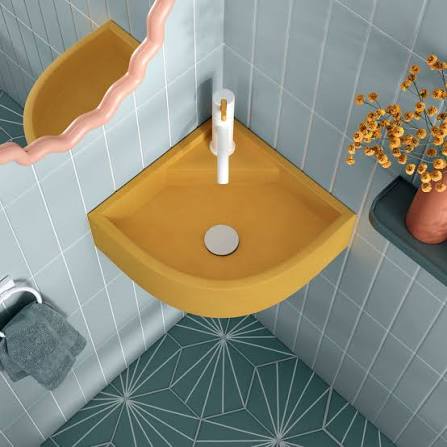
Choosing the right basin can make a significant difference in a compact bathroom. The fixture affects how much floor space remains available, how easily the room can be cleaned, and how well the overall design comes together. Two popular options are wall-mounted basins and countertop basins, each offering distinct advantages for different bathroom layouts.
When selecting a Small Basin for Bathroom spaces, homeowners should consider more than appearance. Available floor area, storage needs, installation requirements, plumbing arrangements, and daily washing habits all influence which design will work best. Understanding the differences between these two styles can help you make a practical choice for your home.
What Is a Wall-Mounted Bathroom Basin?
A wall-mounted basin is fixed directly to a wall rather than resting on a countertop or vanity cabinet. Depending on the design, its plumbing may be concealed inside the wall or left partially exposed beneath the fixture.
This style is particularly popular in small bathrooms, guest toilets, and powder rooms where preserving floor space is important. Without a cabinet underneath, the room can appear more open and less crowded.
Wall-mounted basins come in various shapes, including rectangular, oval, and curved designs. Some models include small integrated shelves for soap and other essentials, while others prioritize a simple, minimalist appearance.
What Is a Countertop Bathroom Basin?
A countertop basin sits on top of a vanity, cabinet, or specially designed work surface. The bowl becomes a visible design feature, making this option suitable for bathrooms where appearance and storage are equally important.
Countertop basins are available in round, oval, square, and rectangular shapes. Materials can include ceramic, porcelain, glass, natural stone, and solid surface, depending on the product.
The supporting vanity can provide storage for toiletries, towels, and cleaning supplies. However, the combined depth of the countertop and basin must be considered carefully in a compact bathroom to avoid restricting movement.
Wall-Mounted vs. Countertop Basins: Key Differences
Although both designs can work well in small bathrooms, their practical benefits differ.
| Feature | Wall-mounted basin | Countertop basin |
|---|---|---|
| Space efficiency | Usually leaves more floor space open | Requires a countertop or vanity |
| Storage | Limited unless separate storage is added | Can provide cabinet or drawer storage |
| Appearance | Minimalist and visually lightweight | Decorative and often more prominent |
| Cleaning | Easier access to the floor beneath | Requires cleaning around the basin and countertop |
| Installation | Needs suitable wall support and plumbing arrangements | Requires a stable countertop and suitable basin fittings |
| Plumbing | Can be concealed or exposed | Often routed through the vanity or wall |
| Design flexibility | Available in compact, simple profiles | Offers a wide range of bowl shapes and materials |
| Best suited for | Narrow bathrooms and small toilets | Bathrooms needing storage and a design focal point |
The better choice depends on how the bathroom will be used. A wall-mounted model often prioritizes openness, while a countertop design combines the basin with a usable surface and potential storage.
1. Space Efficiency: Which Basin Works Better?
Space efficiency is often the most important consideration in a compact bathroom. A basin that projects too far into the room can make movement uncomfortable, especially when the toilet, shower, or bathroom door is nearby.
Advantages of Wall-Mounted Basins
Wall-mounted basins are generally well suited to narrow layouts because they eliminate the need for a supporting vanity cabinet. The open floor beneath the basin creates a lighter appearance and can make routine floor cleaning easier.
This design is especially useful in small guest toilets, ensuite bathrooms, and narrow wash areas. A shallow model can help preserve walking space, provided the bowl remains comfortable for everyday use.
Advantages of Countertop Basins
Countertop basins can also suit compact bathrooms when paired with a narrow vanity. Although they require a supporting surface, they may offer a more organized washing area by combining the bowl, countertop, and storage in one installation.
For example, a shallow vanity with an appropriately sized basin can provide space for soap and toiletries without occupying the depth of a full-size cabinet.
Best option for space: A wall-mounted basin is often preferable when maximizing open floor area is the main priority. A compact countertop model may be better when storage and surface space are also needed.
2. Storage: Which Design Is More Practical?
Storage can influence how organized a small bathroom feels. Without enough space for everyday essentials, countertops may become cluttered, reducing both convenience and visual appeal.
Wall-mounted basins generally provide little built-in storage. Homeowners may need to install a separate wall cabinet, recessed shelf, or slim storage unit. These additions should be positioned carefully to avoid making the room feel crowded.
Countertop basins can be installed on vanities with drawers or cupboards. This arrangement makes it easier to store toiletries, spare towels, and cleaning supplies close to the washing area.
However, not every countertop basin requires a large cabinet. A narrow floating vanity can offer practical storage while preserving some of the open appearance associated with wall-mounted fixtures.
Best option for storage: A countertop basin paired with a compact vanity is usually the more practical choice for households that need concealed storage.
3. Cleaning and Maintenance
Bathroom fixtures require regular cleaning to prevent soap residue, water marks, and dirt from accumulating. The basin’s design can affect how easy it is to maintain the surrounding area.
Cleaning a Wall-Mounted Basin
Because the floor beneath a wall-mounted basin remains accessible, it is generally easier to sweep and mop the surrounding area. There are also fewer cabinet surfaces to clean.
However, exposed plumbing can collect dust and may require additional attention. Concealed plumbing offers a cleaner appearance but can make access for repairs more complicated, depending on the installation.
Cleaning a Countertop Basin
Countertop basins require attention to the bowl, the surrounding work surface, and the joints where water or residue may collect. Vessel-style designs may need extra wiping around the base.
The material also affects maintenance. Glazed ceramic and porcelain are generally straightforward to clean, while natural stone and some specialty finishes may require specific products or periodic treatment.
Best option for cleaning: Wall-mounted basins usually make floor maintenance easier, while countertop basins can remain equally manageable when their surfaces and fittings are cleaned regularly.
4. Installation Requirements and Costs
Installation requirements should be considered before choosing either basin style. The cost of a fixture is only one part of the overall expense; supporting structures, plumbing work, faucets, and finishing can also affect the final budget.
Installing a Wall-Mounted Basin
A wall-mounted basin needs suitable structural support to carry its weight and the forces created during everyday use. The wall construction and fixing method must match the manufacturer’s installation specifications.
Plumbing connections may need to be relocated or concealed inside the wall. If the bathroom is being renovated, this work can be coordinated with other improvements. Retrofitting an existing bathroom may require additional labor.
Installing a Countertop Basin
A countertop basin requires a stable surface that can support the fixture and withstand routine exposure to water. The vanity must also accommodate the drain, water connections, and any required faucet fittings.
Depending on the basin design, the faucet may be mounted on the countertop, installed through the basin, or fitted to the wall. These choices should be planned together to ensure adequate clearance and comfortable use.
Best option for installation: Neither style is universally cheaper. The more economical option is usually the one that works with the existing plumbing, wall structure, and vanity arrangement with minimal modifications.
5. Design and Visual Appeal
The basin can influence the entire appearance of a small bathroom. Choosing a style that complements the room’s finishes and proportions can help create a more cohesive interior.
Modern Minimalism With Wall-Mounted Basins
Wall-mounted designs often suit minimalist interiors because their clean profiles reduce visual clutter. They work particularly well with neutral tiles, frameless mirrors, simple faucets, and understated lighting.
A white rectangular basin can create a crisp contemporary appearance, while a rounded design can soften a bathroom dominated by straight lines.
Decorative Styling With Countertop Basins
Countertop basins provide more opportunities to introduce contrasting materials, colors, and shapes. A round vessel basin on a wooden vanity, for example, can create a warmer look, while a rectangular solid-surface basin may complement a sleek modern interior.
Because the basin sits above the supporting surface, its shape becomes more prominent. Selecting a proportionate design is important in a small room, where an oversized bowl can overwhelm the surrounding space.
Best option for design: Wall-mounted basins are ideal for a simple, open appearance, while countertop basins offer greater opportunities to coordinate the bowl with the vanity and surrounding materials.
6. Comfort and Everyday Usability
A basin should be comfortable to use regardless of its appearance or size. Bowl depth, width, faucet position, and mounting height all influence the washing experience.
Wall-mounted basins can be installed at a suitable height for the primary users, subject to the manufacturer’s guidance and applicable accessibility requirements. Their open space underneath may also benefit some users who need additional clearance.
Countertop basins require careful consideration of the combined height of the vanity and bowl. If the countertop is already high, adding a raised vessel basin may make handwashing uncomfortable.
Both styles should provide enough bowl depth to limit splashing. The faucet must reach the bowl appropriately, and the drain should allow water to flow away efficiently.
Best option for comfort: Either design can work well when its height, bowl dimensions, and faucet arrangement are selected for the intended users.
7. Which Basin Is Better for Different Bathroom Types?
The most suitable basin depends on the room’s layout and purpose.
- Small guest toilet: A compact wall-mounted basin is often effective because it preserves floor space and keeps the room visually open.
- Family bathroom: A countertop basin with a vanity can provide valuable storage for frequently used toiletries.
- Narrow ensuite: A shallow wall-mounted basin or slim countertop model can work well, depending on the available depth.
- Modern powder room: A decorative countertop basin can become a focal point when paired with a proportionate vanity and mirror.
- Rental property: A straightforward design that is easy to clean and maintain may be preferable to a complex installation.
- Accessible bathroom: Consider approach clearance, knee space, mounting height, and applicable accessibility standards rather than choosing solely by appearance.
Measure the available area before deciding. Include the door swing, nearby toilet, shower enclosure, and storage units in the layout so that the selected basin does not obstruct movement.
Common Mistakes to Avoid When Choosing a Small Basin
Even a well-designed basin can become inconvenient when its dimensions or installation do not match the bathroom.
Avoid these common mistakes:
- Ignoring basin projection: Measure how far the fixture extends from the wall or countertop.
- Choosing an unsuitable faucet: Check the faucet’s height and reach to reduce splashing.
- Overlooking storage requirements: Decide where toiletries and cleaning products will be kept before selecting a vanity-free design.
- Neglecting wall support: Confirm that the wall and mounting hardware are suitable for a wall-mounted fixture.
- Choosing an oversized countertop bowl: Ensure the basin leaves enough usable surface and walking space.
- Forgetting maintenance access: Plan how drains, traps, and water connections will be reached for future repairs.
Addressing these details before installation can reduce avoidable costs and improve the long-term usability of the bathroom.
Final Verdict: Wall-Mounted or Countertop Basin?
Both wall-mounted and countertop basins can be excellent choices for compact bathrooms, but they serve different priorities.
A wall-mounted basin is generally the better option when the main goal is to preserve floor space, create a minimalist appearance, and simplify access to the area beneath the fixture. It is particularly suitable for small toilets and narrow washrooms where storage can be handled separately.
A countertop basin is often preferable when the bathroom needs integrated storage, additional surface space, or a more decorative focal point. When paired with a slim vanity, it can offer a useful balance between appearance and practicality.
Ultimately, the best basin is one that fits the room’s dimensions, supports comfortable daily use, and works with the existing plumbing and interior design. Careful measurement and planning will help you achieve a bathroom that feels organized, functional, and visually balanced.